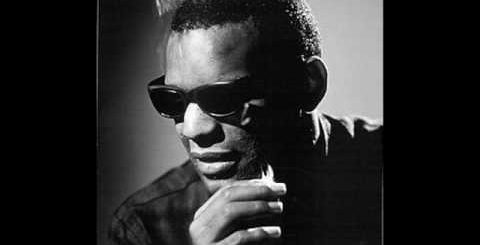
Drown in My Own Tears by Ray Charles Lyrics Meaning – The Depths of Emotional Blues
Lyrics
Into my eyes,
When I begin,
To realize,
I’ve cried so much,
Since you’ve been gone,
I guess I’m drowning in my own tears,
I sit and cry,
Just like a child
My pouring tears
Are runnin’ wild
If you don’t think
You’ll be home soon
I guess I’ll drown in my own tears
I know it’s true
Into each life
Some rain, rain must pour
I’m so blue
Here without you
It keeps raining
More and more
Why don’t you
Come on home
Oh yes so I won’t
Be all alone
If you don’t think
You’ll be home soon
I guess I’ll
(Drown in my own tears)
Ooh, don’t let me
(Drown in my own tears)
When I’m in trouble, baby
(Drown in my own tears)
Oh, yeah, baby don’t let me
(Drown in my own tears)
I guess I’ll drown in my own tears
Oh, mmmmm.
Ray Charles’s ‘Drown in My Own Tears’ stands as a towering monument in the landscape of soul music, a beacon that radiates the sheer force of emotional distress entwined with sumptuous melody. This song isn’t just a mere arrangement of notes and lyrics; it embodies a tempest of heartache, an odyssey of love lost, and the quintessential blues narrative that Ray Charles narrated like no other.
In this musical masterpiece, Charles plumbs the depths of sorrow with a performance that is as cathartic as it is soul-stirring. This is a tune that doesn’t just play; it lingers and haunts, inviting a journey into its layered intricacies of heartbreak and the human condition. It’s time to dive deep into the poignancy of ‘Drown in My Own Tears’ and unravel the meaning stitched into its every line.
Navigating the Emotional Whirlpool – A Deep Dive into Heartache
The song begins with a trickle, a single tear that soon becomes a flood, signaling the outset of a journey through intense emotional pain. Charles does not merely describe his sorrow; he baptizes us in it. The tears are an overflow, a deluge of emotion that he can barely contain. They are a metaphor for an all-consuming grief that leaves the heart submerged and gasping for relief.
Each verse adds weight to the waters, a confession of vulnerability in stark contrast to the stoic facades we often witness in daily life. He’s not afraid to show us the raw side of heartbreak, where the soul’s cries are as real and torrential as rain from the heavens. Charles’s imagery of drowning in one’s own tears paints an all-too-familiar canvas of love’s aftermath, where the tears are both cleansing and suffocating.
The Deluge of Melancholy and the Search for Reprieve
‘I sit and cry, Just like a child,’ reveals Ray Charles’s candid admission that his heartache has stripped away the walls of adulthood, revealing an inner child exposed and yearning for comfort. This confession is a powerful testament to the song’s enduring resonance – that in the throes of loss, we are all rendered defenseless, seeking the solace of an absent love.
The singer’s pleas for his beloved to ‘Come on home’ are punctuated not just with loneliness but with an urgency that suggests a man on the brink. The notion that someone else holds the key to stemming the tide of his despair is a vivid portrayal of dependency and the ceaseless hope for reunion in the face of relentless heartache.
Uncovering the Hidden Meaning – A Lesson Beyond the Lyrics
Dig beneath the literal sense of drowning in sorrow, and you might discover an allegory of human resilience and the necessity of enduring pain. ‘Into each life, Some rain, rain must pour,’ Charles reminds us. This line betrays a universal truth, acknowledging suffering as an inevitable, cleansing part of life that each soul must face and, ultimately, rise from stronger and more seasoned.
On a deeper level, ‘Drown in My Own Tears’ isn’t just about wallowing in grief—it’s also about the letting go of it. The act of drowning symbolizes an ultimate surrender to pain, a necessary purging that paves the way for a rebirth of the spirit, cleansed by its own tears.
Soul-Seared Melodies and the Lush Landscape of Blues
Musically, Charles’s song is a tour de force, a convergence of gospel-inspired roots with bluesy undertones that make the pain palpable. The melody is both a buoy and an anchor, seemingly lifting the spirit while delving into the depths of the singer’s sorrow. His voice bends and wails around the notes in a manner that evokes a visceral response from listeners, pulling them underwater and into the swell of his anguish.
The meticulously arranged instrumentation serves as a lush backdrop to Charles’s vocal prowess. Each chord, each beat, is imbued with emotion, perfectly calibrated to resonate with the lyrics and amplify the poignancy of the narrative. It’s the kind of composition that doesn’t merely accompany the lyrics; it completes them.
Memorable Lines That Echo Through Time
It is perhaps the song’s refrain, ‘I guess I’ll drown in my own tears,’ that etches itself into the listener’s memory most profoundly. This line is the heart of the song, a simple and stark declaration repeated like a mantra. It’s in this lament that Charles taps into a shared human experience, a universal truth that resonates as much today as when the song was first released.
The beauty of these words lies in their simplicity and their ability to encapsulate the confluence of hopelessness and yearning that makes blues the transcendental art form that it is. It’s a line that has left an indelible imprint on the soul genre, and one that continues to speak to the evergreen narrative of love and loss.