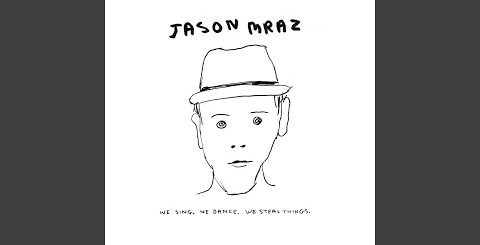
On Love In Sadness by Jason Mraz Lyrics Meaning – The Bittersweet Symphony of Love and Disillusionment
Lyrics
It’s not falsified to say that I found god so inevitably well,
It still exists pale and fine. I can’t dismiss
And I won’t resist and if I die well at least I tried
And we just lay awake in lust and rust in the rain
And pour over everything we say we trust
It happened again, I listened in through hallways and thin doors
Where the rivers unwind, rust and in the rain endure.
The rust and the rain are sins
And I’m in like Flynn again
So go on place your order now cause some other time is right around the clock
You can stand in line. it finally begins just around the clock
You can have your pick if your stomach is sick whether you eat or not
And there is just one thing that I never forgot
And we just lay awake in lust and rust in the rain
And pour over everything we say we trust
It happened again, I listened in through hallways and thin doors
Where the rivers unwind, rust and in the rain so easy
These are the comforts that be
You see well I’m feeling lucky oh well, maybe that’s just me
You should be proud of me oh hell if you could only see
That we’re gonna grow on up to be, ah yes
We are thick as thieves
Oh love it’s a brittle madness, I sing about it in all my sadness
It’s not falsified to say that I found god
Inevitably, well it still exists pale and fine I can’t dismiss
And I won’t resist and if I die well at least I tried
And we just lay awake in lust and rust in the rain
And pour over everything we say we trust
It happened again, I listened in through hallways and thin doors
Where the rivers unwind and the rust and the rain endure
(the rust and the rain endure. I’m sure.)
I am insofar to know the measure of love isn’t loss
Love will never ever be insofar to know the measure of love isn’t loss
Love will never ever be lost on me.
Love will never ever be lost on me.
With a voice as mellifluous as the tranquil ebbs and flows of the deep blue sea, Jason Mraz has the unique ability to dip his pen into the inkwell of human emotion and etch verses that resonate with a sincere complexity. ‘On Love In Sadness’ is no exception, a song that thrums with the pulse of human experience, exploring the labyrinth of romantic emotions with the dexterity of a poet’s hand.
Part serenade and part soliloquy, this song is a mosaic crafted from the shards of heartbreak and realization, set against the relentless backdrop of time’s ticking clock. Within its melodic confines, Mraz conjures an intricate dialogue between the head and the heart, singing about love in its most raw, unfiltered state – as a ‘brittle madness’. But what does this madness entail, and how does it reflect the broader human condition?
Brittle Madness: The Vulnerability of Love
Mraz’s opening lines immediately set the stage for a discourse on love’s fragile nature. Describing love as ‘brittle madness,’ he suggests it’s something that, while precious, is prone to shattering. It’s a theme that’s been sung about since time immemorial, yet Mraz breathes new life into it by framing love as an unavoidable insanity, one that thrives in the melancholy space of his sadness.
But he is not merely a passive participant in this narrative. Mraz wears his vulnerability as a badge of honor, suggesting that with this sensitivity comes a kind of divine enlightenment — to love is to have found a semblance of god. This is an intimate revelation, a complex acknowledgement that even in its fragility, love wields a mighty, profound force.
The Rust and Rain: Symbols of Endurance and Decay
The lyrical journey continues as Mraz draws symbology from the elements, speaking to the corrosion and persistence embodied by rust and rain. Here we slide deeper into a meditation on the endurance of love in the face of time’s relentless decay. The repetition of the phrase ‘rust and the rain’ throughout the song serves as a haunting reminder that while love is enduring, it is not immune to the wear of the world.
This motif intertwines with the narrative, painting the picture of a love that bears the indelible scars of loss and disappointment. Yet, even as he recognizes these ‘sins,’ his willingness to engage with them ‘again’ – to embrace the natural cycle of pain and recovery – speaks to an inextinguishable human hope.
The Precarious Dance of Lust and Trust
Lust and trust serve as anchoring forces in ‘On Love In Sadness.’ Their lyrical dance offers a delicate balancing act that many can recognize from their own romantic entanglements. To lay ‘awake in lust and rust in the rain,’ implies a state of limbo, where desire conflicts with the degradation of time and highlights the ephemerality of satisfaction.
The pouring ‘over everything we say we trust’ further lays bare the struggle to find authenticity in connection. Mraz’s voice, smooth and tinged with weariness, encapsulates the trepidation of believing in something that has let you down before but holds power over you still – the all-consuming nature of love.
The Hidden Meaning: A Testament to Time’s Cycle
Peering beyond the superficial, ‘On Love In Sadness’ ultimately emerges as a poetic testament to the cycles of time. ‘Cause some other time is right around the clock,’ Mraz observes, acknowledging the cold, impartial march of seconds, minutes, and hours that govern the ebb and flow of love’s fortunes.
It is in this cyclical nature that a hidden meaning reveals itself – that Mraz, and by extension, all of us, are participants in a grander stage play directed by time itself. In the repetitious cycle, one finds the deeper truth: that each ending is eclipsed by a beginning, and that even as love can succumb to ‘rust and the rain,’ its essence persists, undeniable and ever-present.
The Memorably Poignant Declaration
The song crescendos into a potent declaration that carries the weight of the stars in its simplicity: ‘Love will never ever be lost on me.’ This line echoes like a church bell through the chambers of the heart, transforming ‘On Love In Sadness’ from a ballad of love’s complexities into a soulful anthem of resilience and recognition.
As the final words fall on our ears, they resonate as an affirmation of love’s immutable presence, even amidst the decay captured throughout the song. The idea that the ‘measure of love isn’t loss’ reclaims love as a constant, a reminder that despite the pain, the madness, and the sadness, love in its truest form remains indefatigable and infinite.