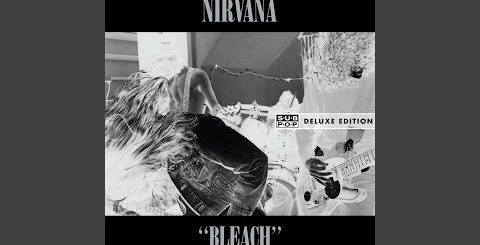
Spank Thru by Nirvana Lyrics Meaning – Unveiling the Facets of Adolescent Desire and Rebellion
Lyrics
Glisten in the light of the trees
And all the flowers sing in D minor
And the birds fly happily
We’ll be once again my love
I need you back, oh baby baby
I can’t explain just why we lost it from the start
Living without you girl, you only break my heart
I can feel it, I can hold it
I can bend it, I can shape it, I can mold it
I can cut it, I can taste it
I can spank it
I can beat it, masturbate it
I’ve been looking for day glow
Always hearing the same ol’
Sticky boredom with a book
I can make you do things
You wouldn’t think you ever could
I can feel it, I can hold it
I can bend it, I can shape it, and I mold it
I can cut it, I can taste it
I can spank it
I can beat it, masturbate it
I’ve been looking for day glow
Always hearing the same ol’
Sticky boredom with a book
I can make you do things
You wouldn’t think you ever would
I’ve been looking for day glow
Always hearing the same ol’
Sticky boredom with a book
I can make you do things
You wouldn’t think you ever could
Why is that so groovy?
When the opening chords of Nirvana’s ‘Spank Thru’ reverberate through the speakers, we’re transported to a realm where Kurt Cobain’s raw emotive power meets the thrum of teenage restlessness. For a band that would come to define a generation, this song encapsulates the spirit of the era—a prelude to the angst and fervor that would later saturate ’90s grunge.
But what of the lyrics, veiled in the poetry of Cobain’s mind? ‘Spank Thru’ isn’t just a track on a mixtape from Sub Pop Records; it’s a mosaic of desire, an exploration of the counterculture, and a lamentation of love lost. It catches us off-guard, with its visceral mix of serenity and sonic explosion—a juxtaposition that demands a deeper dive into its lyrical marrow.
The Duality of Love and Anguish
Cobain introduces us to a serene landscape that quickly pivots into a confessional, the serenity serving as a stark contrast to the introspection that follows. This duality runs deep, encapsulating the expanse of youthful yearning alongside the pain of separation. It’s the cry of an artist straddling the line between hope and despair, a nuanced portrayal of the complexities inherent in amorous attachments.
Through the opening verses, we’re lulled into a sense of idyllic love, only to be plunged into the reality of emotional upheaval. ‘I need you back, oh baby baby,’ Cobain pleads, translating into music the universal sentiment of longing that festers when love slips through one’s fingers—a sentiment that remains as palpable as ever.
Crafting Chaos: An Anthem for Disillusionment
As ‘Spank Thru’ advances, it shifts into a blunter representation of teenage frustration and desire. The repeated lines ‘I can feel it, I can hold it, I can bend it’ are not just syllables; they’re an assertion of agency in a world where Cobain and his audience feel perpetually misunderstood. The chorus becomes a canvas of raw energy, where control and the need to manipulate one’s surrounding become a form of rebellion.
This segment of the song reflects Nirvana’s capability to articulate the noise of discontent that resonated with the youth of that era. Their music became a vehicle for expressing the inner turmoil that could not be channeled through conventional means—a turmoil that could be felt, held, bent, shaped, and, indeed, spanked.
Hidden Meaning: The Subversion of Mundanity
Delving into the track’s obscurities, we encounter ‘day glow’ and ‘sticky boredom with a book,’ expressions that depict a world wearied by the mundane. But Cobain isn’t content to merely observe; he insists that he can jolt us out of this stupor, asserting the transformative power of his artistry. This isn’t simply a testament to the act of creating music—it’s a declaration of war against the ennui of existence.
In ‘Spank Thru,’ the mundane isn’t just a backdrop—it’s an antagonist. Cobain charges headlong into the fray, armed with his guitar and verses, reminding us that ennui is not our destiny. We come to realize that the song is more than a garage band anthem—it’s a call to arms for all who yearn to transcend the tedium of the everyday.
Memorable Lines: The Ode to Self-Reliance
‘I can spank it. I can beat it, masturbate it.’ This line, in its abrasive honesty, encapsulates the spirit of autonomy that Cobain sought to instill in his audience. It’s an unapologetic cry for self-pleasure, a metaphor for one’s ability to derive satisfaction from within, absent of external validation or partnership. This line doesn’t just linger; it’s emblazoned in the psyche of anyone who’s ever felt the primal urge for self-discovery through self-reliance.
On the surface, this may come across as crude or simplistic, but it’s deeply emblematic of the song’s core—asserting independence in a time where generation X felt increasingly disenfranchised. Amidst the bubbling grunge scene, Nirvana brought these simmering sentiments into stark relief, using their lyrics to etch an indelible mark on the canvas of rock music.
The Eternal Question: ‘Why is that so groovy?’
The song ends on a sonic shrug—’Why is that so groovy?’ It’s a rhetorical musing that resonates with the listener long after the last guitar distortion fades. Here, Cobain questions the inexplicable draw of the music he creates, the allure of the subculture he represents, and the connection that he forges through defiant transparency.
‘Why is that so groovy?’ isn’t just a question; it’s an acknowledgment of the ineffable, a commentary on the counterintuitive captivation that pain and pleasure, when interwoven into the fabric of music, can exert on the human soul. This line is both a conclusion and an invitation to ponder—reflecting Cobain’s own internal dialogue and challenging us to find our own answers.