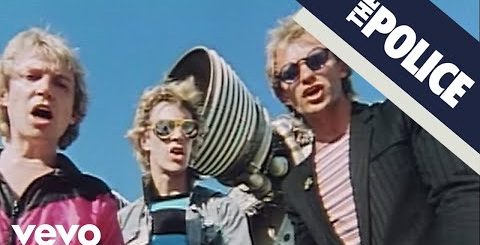
Driven to Tears by Police Lyrics Meaning – A Deep Dive into the Anthem of Apathy
Lyrics
What does it have to do with me?
What is my reaction, what should it be?
Confronted by this latest atrocity
Driven to tears
Driven to tears
Driven to tears
Hide my face in my hands, shame wells in my throat
My comfortable existence is reduced to a shallow meaningless party
Seems that when some innocent die
All we can offer them is a page in a some magazine
Too many cameras and not enough food
‘Cause this is what we’ve seen
Driven to tears
Driven to tears
Driven to tears
Protest is futile, nothing seems to get through
What’s to become of our world, who knows what to do
Driven to tears
Driven to tears
Driven to tears
Driven to tears
Driven to tears
Driven to tears, driven to tears
The 1980s were not only a time of vibrant fashion and iconic synth-pop but also an era of political unrest and social consciousness in music. Among the plethora of bands that echoed the sentiments of the time, The Police carved out their distinctive sound and message. ‘Driven to Tears’ stands out from their discography as a powerful critique of societal indifference in the face of global suffering.
While the track features The Police’s signature punchy rhythms and Sting’s impassioned vocal delivery, beneath the surface is a scathing commentary on the western privilege and the desensitization to the plight of those less fortunate. It’s a song that demands introspection and dares listeners to look beyond their own experiences into the broader human condition.
The Cry Against Apathy: Understanding The Emotional Push
From the very outset, ‘Driven to Tears’ is a punch in the gut, questioning the listener’s sense of responsibility toward global tragedies. What does it mean to be a spectator in a world plagued by ‘the latest atrocity’? Sting’s rhetoric in the song is not gentle; it is accusatory and raw, shaking the foundations of comfortable ignorance.
By repeating the phrase ‘Driven to tears,’ The Police emphasize the emotional response that should be felt but is often neglected. The tears here symbolize both sadness and frustration at the state of the world and the individual’s powerlessness—or unwillingness—to effect change.
The Party’s Over: Shattering the Illusion of Comfort
There’s a duality at play in ‘Driven to Tears’ encapsulated succinctly when Sting sings of a ‘comfortable existence’ reduced to a ‘shallow meaningless party.’ Here, the band throws a glaring spotlight on the superficial veneer of western life, grounding it in guilt and shame for the disparity between the haves and the have-nots.
The phrase ‘hide my face in my hands’ paints a vivid picture of both despair and avoidance. It raises the uncomfortable notion that perhaps the western world cloaks itself in revelry to drown out the cries of those facing daily atrocities—a party that’s shallow because it is meant to deflect from the harsh realities others live through.
The Disquieting Irony of Modern Media
Arguably, one of the song’s most striking critiques lies in its commentary on media and the public’s desensitization. The band points a scornful finger at how tragedy is condensed into something as trivial as ‘a page in some magazine.’
The paradox of ‘too many cameras and not enough food’ underscores a society obsessed with documenting suffering rather than alleviating it. It’s a powerful indictment of a voyeuristic culture that watches from a distance but fails to engage in meaningful ways.
The Resonance of Resignation: The Hidden Meaning
There’s a thinly veiled fatalism woven into the very fabric of ‘Driven to Tears,’ especially noted in the lyric ‘Protest is futile, nothing seems to get through.’ It’s as if the song recognizes the cyclical nature of societal outrage—loud, intense, but ultimately inconsequential.
This sentiment resonates with the listener, as the helplessness felt in the face of monumental crises can often stifle action. ‘Driven to Tears’ exposes this torpidity and seemingly insurmountable despair, questioning the point of activism if the world remains deaf to its pleas.
Memorable Lines That Echo Across Time
‘Driven to Tears’ may have been penned in a different decade, but its themes are timeless. In an age where information is more accessible than ever, yet global issues persist, the song’s haunting lines resonate with renewed urgency.
It’s the straight-to-the-heart simplicity in questions like ‘What is my reaction, what should it be?’ that propels the listener into a sea of self-reflection. The Police crafted not only a track that captures the zeitgeist of the 80s but also a perennial reflection on humanity’s shared journey through apathy to empathy.