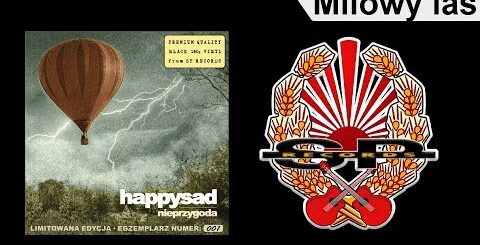
Wszystko jedno by happysad Lyrics Meaning – Dissecting the Melancholic Duality
Lyrics
Zaraz przypomnę sobie gdzie
To było chyba na mieście
Chwaliłaś się biletem do Szwecji
To że stałem z boku juz nie liczyło się
A miało być tak pięknie
Miało nie wiać w oczy nam
I ociekać szczęściem
Miało być sto lat sto lat
Ostatni raz pisałem że
Pamiętam była jeszcze zima
Że tylko to, no wiesz liczy sie
Że zaufanie to taka czarna świnia
W dzień jest, w nocy nie ma
A miało być tak pięknie
Miało nie wiać w oczy nam
I ociekać szczęściem
Miało być sto lat, sto lat
A miało być tak pięknie
Miało nie wiać w oczy nam
I ociekać szczęściem
Miało być sto lat, sto lat
Miało być tak pięknie
Miał się nam nie kurczyć świat
Ale przede wszystkim
Miało być sto lat, sto lat
In the intricate tapestry of music, few songs capture the nuanced intersection of joy and sorrow quite like ‘Wszystko jedno’ by Polish rock band happysad. Beneath its melodious harmonies lies a bittersweet narrative that resonates with the emotional complexity of the human experience.
The song’s title, ‘Wszystko jedno’, translates to ‘All the Same’ in English—an idiom expressing indifference, which might strike one as simplistic. Still, as we peel back the superficial layer, we encounter an opus that juxtaposes disillusionment with an earnest yearning for what could have been, echoing universal sentiments that are both deeply personal and unmistakably shared.
Echoes of a Past Encounter: The Storyline’s Emotional Core
The opening lines of ‘Wszystko jedno’ transport the listener to the final moments shared between two individuals. The protagonist recalls a fleeting encounter in the city, a moment rendered insignificant by the other’s excitement for future ventures—symbolized by a ticket to Sweden. It’s a moment of realization, where the protagonist’s presence is overshadowed by the looming change and departure.
This image of a shared history quickly dissolving as paths diverge invites a sober reflection on the impermanence of relationships. The cityscape serves as a backdrop to the inevitable drift apart, hinting at the often transient and unpredictable nature of life’s connections.
Unveiling the Heartbreak: ‘All the Same’ Is Never Really the Same
Despite the title’s proclamation of indifference, the lyrics suggest a stark contrast between expectations and reality. The repeated phrase ‘مiało być tak pięknie’ (‘it was supposed to be so beautiful’) sings of promises unfulfilled and dreams left adrift in the wake of dashed hope.
Happysad’s frontman, articulates a poignant narrative of commitment that falls victim to the caprice of fate. The supposed indifference is a shield—a coping mechanism for a heart struggling with the fact that life’s promises are often as volatile as a ‘black pig’—visible by day, absent by night.
Crushing Optimism: When the World Shrinks Instead of Expands
Possibly the most grievous notion captured by the song is the betrayal of optimism. The world ‘miało się nam nie kurczyć’ (‘was not supposed to shrink’) but expand, promising extensive years of happiness—a century of them, as the verse ‘sto lat, sto lat’ reverently wishes.
Yet, the sentiment morphs into a somber reflection on how the very fabric of our world can contract rather than grow in the face of lost love and fragmented trust. The poetic lyrics wrestle with the heart’s resilience and its inevitable surrender to reality.
The Stinging Irony in Memorable Lines
The contrast between the brightness of joy and the darkness of sorrow is perhaps best embodied in the line ‘i ociekać szczęściem’ (‘and to ooze with happiness’). This vivid image of happiness so tangible it seeps out of one’s being, speaks to the irony of the human condition’s highs and its low points.
The songwriters have embedded within the verse a reminder of the sheer intensity of emotion once shared, set against the dry ache of its absence. The juxtaposition is undeniably stark, leaving the audience to ponder the fleetingness of euphoria.
A Closer Look at the Hidden Meaning: Indifference as a Façade
Perhaps one of the most compelling elements of ‘Wszystko jedno’ lies in its underlying admission that nothing is, in fact, ‘all the same.’ This statement of seeming indifference is a masquerade for the vortex of feelings beneath the surface.
The song thus becomes a testament to the protective walls people erect to shelter themselves from the full impact of loss. The narrator’s use of the phrase ‘Wszystko jedno’ doesn’t reflect true detachment but is a poignant self-deception—a lie whispered by a soul too tender to acknowledge its own bleeding.