Why Don’t You Write Me by Simon & Garfunkel Lyrics Meaning – Unraveling the Melancholy Message in a 60s Classic
Lyrics
I’m out in the jungle
I’m hungry to hear you.
Send me a card,
I am waiting so hard
To be near you.
(La, la, la)
Why don’t you write?
Something is wrong
And I know I got to be there.
Maybe I’m lost,
But I can’t make the cost
Of the airfare, ooh
Tell me why (Why)
Tell me why (Why)
Why don’t you write me,
A letter would brighten
My loneliest evening.
Mail it today
If it’s only to say
That you’re leaving me.
(La, la, la)
Monday morning, sitting in the sun
Hoping and wishing for the mail to come.
Tuesday, never got a word,
Hm
Wednesday, Thursday, ain’t no sign,
Drank a half a bottle of iodine.
Friday, woe is me
Gonna hang my body from the highest tree.
Why don’t you write me?
Why don’t you write me?
Why don’t you write me?
Why don’t you write me?
Why don’t you write me?
Why don’t you write me?
Why don’t you write me?
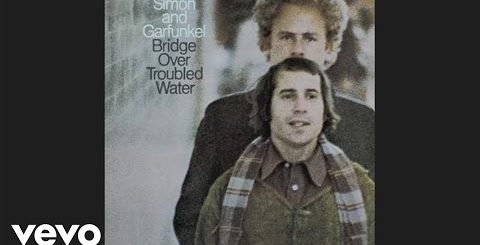
Simon & Garfunkel’s ‘Why Don’t You Write Me,’ a track off their celebrated album ‘Bridge Over Troubled Water,’ resonates with the anguish and expectancy of awaiting a loved one’s word. The song, marked by its plaintive melody and stark lyrics, seems at first glance to be a simple plea for contact. Yet as we delve deeper, we uncover layers of emotion and subtext that are hallmarks of Paul Simon’s lyricism.
A journey through the verses reveals not just a yearning for communication, but also speaks to larger themes of isolation, desperation, and the human condition. The context of the late 1960s, a time of social upheaval and personal introspection, serves as a backdrop, bringing depth and poignancy to the song’s narrative.
The Jungle of the Mind: A Metaphor for Inner Turmoil
Simon uses the metaphor ‘I’m out in the jungle’ to indicate more than a physical wilderness—it’s the treacherous landscape of the psyche he is navigating. This line sets the tone for the song, portraying the feeling of being in an unfamiliar and threatening environment, where the familiar comforts of home, symbolized by the act of receiving a letter, are acutely missed.
The jungle imagery conjures a sense of being lost and disconnected, mirroring the chaotic era during which the song was penned. It hints at internal strife, suggesting that the protagonist is not just physically distant but also psychologically isolated from their loved one.
Waiting Game: The Torture of Anticipation
The repeated imploration ‘Why don’t you write?’ focuses on the torment of anticipation. Each day of silence compounds the agony, setting a rhythm of disappointment as the days of the week roll by without reprieve. The act of waiting becomes a centrepiece of the song’s emotional landscape.
This recurring motif emphasizes the psychic toll of not knowing—the lack of closure or communication stalling the protagonist’s ability to move forward, effectively trapping them in a cycle of hope and despair.
Hidden Resistance: Subtexts of Protest and Distance
When Simon sings ‘Maybe I’m lost, But I can’t make the cost of the airfare,’ it’s a subtle but sharp commentary on the obstacles that restrict or limit connection, possibly alluding to barriers both economic and emotional. The resistance met in trying to cross the distances between individuals may parallel the societal divides of the era.
This lyric can also be interpreted as a nod to the unwillingness to pay the emotional or psychological ‘airfare,’ representing an internal barrier that prevents one from reaching out and making the connection that they long for.
A Drink of Melancholy: The Despair-Fueled Iodine
The lyric ‘Drank a half a bottle of iodine’ is stark in its depiction of wretchedness. It’s a moment that crystallizes the toxicity of longing, conveying the lengths to which the protagonist has been driven by despair. The line is a bitter supplement to the song’s overarching message of yearning and communicates the serious emotional state of health at risk.
On a broader scale, the mention of iodine, a substance intended for cleansing and healing, being ingested as an act of self-harm, vividly illustrates how the desire for communication and connection, when unmet, can become pernicious and even harmful.
An Arboreal Conclusion: Threatening the Highest Tree
The culmination of the song’s narrative arrives in the dramatic declaration of hanging ‘my body from the highest tree.’ This line is not just an expression of the pain of unrequited communication; it represents a breaking point, a final, stark outcry for attention.
While likely metaphorical, the image of self-harm emphasizes the gravity of the inner turmoil experienced. It places the emotional crisis at the heart of the song in stark relief against the earnest pleas for contact, solidifying the song’s message as an exploration into the extremes of human vulnerability in the face of silence.