Silent Hedges by Bauhaus Lyrics Meaning – Deciphering the Gothic Rock Anthem’s Existential Undertones
Lyrics
Needing some other kind of madness
Looking into purple eyes
Sadness at the corners
Works of art with a minimum of steel
Pure sensation
The beautiful down grade
Going to hell again
Going to hell again
Self confidence leaks
From a thousand wounds
Faults of civilization
Burning the private paradise of dreams
Minus hands of the electric clock
Clock
Clock
Clock
What happens when the intoxication of success has evaporated?
Pure sensation
The beautiful down grade
Going to hell again
Going to hell again
Again
Again
Again
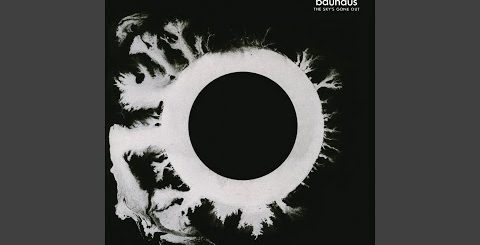
In the pantheon of post-punk’s shadowy hall of fame, Bauhaus stands as one of the Gothic movement’s undeniable pillars. Among their darkly gem-studded discography is the track ‘Silent Hedges,’ a composition ripe with existential angst and beguiling imagery.
As we analyze this piece, seductive in its melancholy, we peel back the layers of ‘Silent Hedges’ to uncover what lies beneath its pulsing rhythms and hauntingly murmured lyrics. It’s a journey through the abstract corridors of the human psyche, as painted by the Bauhaus quartet.
The Garden of the Mind: Interpreting ‘Silent Hedges’
The opening lines, ‘Following the silent hedges/Needing some other kind of madness,’ strikes a chord of relatable dread, prompting listeners to contemplate existence beyond the neatly trimmed hedges of societal expectations. Moorish guitar lines weave around Peter Murphy’s somber tone as he articulates an innate longing for a madness that shatters conformity.
Looking into ‘purple eyes’ may symbolize a deep dive into the self, a confrontation with inner sadness that ‘works of art with a minimum of steel’ cannot shield – art here being a reference to the facade we build to withstand life’s sharpness.
Diving into the ‘Beautiful Down Grade’
‘Pure sensation/The beautiful down grade.’ Bauhaus captures the essence of surrendering to decline—not as defeat, but as a profound experience. This down grade signifies embracing the inevitable descent into chaos that comes with unbridled emotion, juxtaposed with the beauty found in this very vulnerability.
‘Going to hell again’ becomes a refrain reminiscent of a Sisyphean struggle, an ode to those perpetually grasping for a semblance of heaven, only to feel the burn of hell’s gates time and again.
The Fading Echoes of Self-Confidence
The lyrics ‘Self confidence leaks/From a thousand wounds’ are particularly striking. They evoke a visceral image of the individual’s essence bleeding away, irreparably damaged by the existential ‘faults of civilization’ that drain our utopian dreams.
In a landscape where the hands of the electric clock have been severed, time becomes meaningless, and with it, the structured rhythm of life slips away. This line could critique the modern obsession with time, suggesting a life beyond the mechanical and mundane.
An Invitation to Explore the Hidden Meaning
Bauhaus seldom indulges in surface-level lyrics; ‘Silent Hedges’ beckons a deeper exploration. As Murphy repeatedly croons ‘going to hell again,’ it is as if the song itself is a maze — with each turn, a new perspective on the human condition and our collective existential dread.
Could the true meaning of ‘Silent Hedges’ lie not in its words but in the emotional landscape it constructs? It’s a chilling reminder that while we search for solace, we might just be spiraling further into the labyrinth of our own making.
Quotable Quandaries: The Song’s Most Memorable Lines
Among the potent images of ‘Silent Hedges,’ the line ‘Burning the private paradise of dreams’ encapsulates the turmoil of an artist. It speaks to creativity as a double-edged sword, where one’s most sacred sanctuaries of imagination are as vulnerable to destruction as they are capable of beauty.
The minimalist, haunting repetition of ‘clock’ forces a moment of hypnotic pause, confronting listeners with the relentless march of time. These lines crystallize the sentiment that pierces the heart of ‘Silent Hedges’ — an elegy for the spiritual desolation haunting the edifice of modern life.