Brave by Katatonia Lyrics Meaning – Navigating the Labyrinth of Loss and Isolation
Lyrics
All the moments
When I lose myself
I would tell the world
I’m catching flies by now
Speaking to someone
Breaking the windows
This house is dead
The sound of falling
When the pictures are moving
Between the memories
The sound of falling
When the pictures are moving
Dead in time
Brave, try the meaning of loss
I know your smile is deadly at this point
Wherever you are I am not
If you didn’t know
All the moments
When I lose myself
I would tell the world
I guess I should know
The limits of the world
There are moments I find myself
Not breathing at all
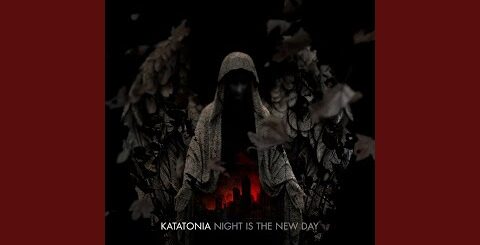
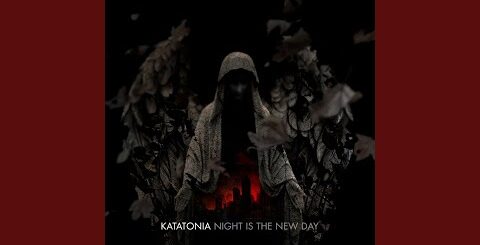
Swedish melancholy maestros Katatonia have long had a knack for translating the language of despondency into sonic landscapes. With their song ‘Brave,’ they dive headfirst into the tumultuous waters of human loss and the resultant quest for meaning. It’s a track that doesn’t just skim the surface of emotion; it plunges into the depths of sorrow, inviting listeners to explore the often-unspoken agonies that accompany our most profound moments of loneliness and despair.
Through the sparse but impactful lyrics of ‘Brave,’ there is a sense of someone grappling with the overwhelming essence of absence. This is the territory where the heart meets the shadow, and Katatonia provides the soundtrack for this reconciliation. Delving into the meaning behind ‘Brave’ reveals a complex tapestry woven with the threads of existential dread, a cathartic release that is as piercing as it is poetic.
A Symphony of Solitude: The Universal Resonance of Loss
There is a certain universality to the experience of loss that ‘Brave’ taps into with piercing precision. Rarely are songs capable of acting as both mirror and window – reflecting our own experiences back at us while simultaneously giving us a glimpse into the pain of others. Katatonia’s minimalist lyricism cuts to the quick, allowing listeners to fill in the gaps with their personal narratives of grief and alienation. In doing so, the band forges a silent kinship between themselves and their audience.
The words ‘If you didn’t know, all the moments, when I lose myself, I would tell the world’ speak to an inherent contradiction in suffering. The song suggests a desire to express and share these dark episodes, yet it acknowledges the struggle in doing so – the moments are so private and so profound that they become nearly incommunicable, existing in the silent spaces of the soul.
An Empty House: Metaphors of Isolation
‘Speaking to someone, breaking the windows, this house is dead’ – Katatonia uses the imagery of an abandoned house to embody the internal desolation of the individual. Windows, often symbolic of perception and insight, are shattered, indicating a disconnection from the outside world or perhaps an attempt to break through to some unattainable clarity.
This house is more than just a structure; it’s a metaphor for the self, a domicile for the spirit that has become uninhabitable. Through the metaphor, Katatonia navigates the desolate corridors of the psyche, uncovering the silent screams and whispers that echo through the empty rooms of a forsaken inner sanctum.
The Frozen Clock: Paralysis in the Face of Absence
The poignant lines, ‘The sound of falling, when the pictures are moving, dead in time,’ evoke a sensation of static motion – a paradox encapsulating the feeling of being stuck in a moment. For those who have encountered loss, time can seem to stand still, with memories serving as both a comfort and a curse. ‘Dead in time’ challenges the listener to reconcile with the realization that within these memories, life is paused indefinitely, immutable and haunting.
Katatonia’s reference to ‘falling’ could suggest a loss of control, being swallowed by waves of reminiscence, unable to anchor oneself in the present. Songs often act as vessels for shared emotions, and here, ‘Brave’ becomes a life raft for those adrift in the currents of their past.
The Deadly Grin: Smiling Through Pain
One of the track’s most jarring lines, ‘I know your smile is deadly at this point,’ touches on the masks we wear to conceal our suffering. It speaks to the resilience of the human spirit, smiling in the face of adversity, even as it chips away at our essence. A deadly smile is one that protects not only the wearer from confronting their anguish but also shields others from the weight of that pain.
Katatonia has often played with contrasts—light and shadow, silence and sound—and in ‘Brave,’ the devastating smile represents a poignant moment of recognition. It is the acknowledgment of the strength it takes to feign normalcy when all within is chaos, of the bravery it requires to face another day while bearing the heaviness of loss.
Breathless Moments: The Hidden Message in Silence
The visceral line ‘There are moments I find myself, not breathing at all’ might go unnoticed upon a first listen, lost in the dark beauty of the music. However, it’s in this silence that we find the crux of ‘Brave.’ It is in these breathless pauses that one finds themselves confronting the raw edges of existence – life distilled to its purest form: survival.
There is a hidden depth to this admission of suspended breath. It is a moment of raw vulnerability and existential dread but also one of profound self-awareness and presence. Here, Katatonia encapsulates the paradoxical essence of being acutely alive within the freeze-frame of personal desolation, crafting a message that resonates long after the final chords have dissipated.