Can You See Me by The Jimi Hendrix Experience Lyrics Meaning – A Dive Into Hendrix’s Psychedelic Appeal
Lyrics
Woo yeah
Can you see me baby
Baby please don’t leave
Yeah if you can see me doing that
You can see in the future of a thousand years
Can you hear me?
Cryin’ all over town
Yeah babe
Can you hear me baby?
Crying cause you put me down
What’s with ya
If you can hear me doing that
You can hear a freight train coming from a thousand miles
Ah yeah
Can you hear me?
Singing this song to you
Ah you better hold up your ears baby
Can you hear me baby?
Singing this song to you
Ah shucks
If you can hear me sing
You better come home like you supposed to do
Can you see me?
Hey hey
I don’t believe you can see me
Woo yeah
Can you hear me baby?
I don’t believe you can
You can’t see me
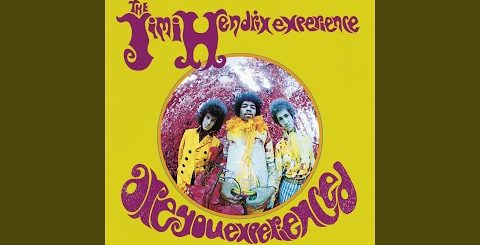
In the pantheon of rock, few figures command the mystique and visceral influence of Jimi Hendrix. His brief, meteoric ascent through the psychedelic skies of the ’60s remains unparalleled, with each track a testament to his genius. ‘Can You See Me’, a somewhat unheralded gem from his seminal debut album ‘Are You Experienced?’, stands as a testament to this legacy. But what lies beneath the surface of this fiery plea?
The song’s raw vocal delivery, complemented by the razor edge of a guitar that cuts through convention, belies a deeper yearning beyond its seemingly simple lyrics. This is Hendrix calling out, not just to a lover, but to his audience, his era, and perhaps even to himself. We deconstruct this powerful track through a series of perspectives, each peeling back a layer of the Jimi Hendrix Experience.
The Roar Behind the Whisper: Unveiling ‘Can You See Me’
On its face, ‘Can You See Me’ reads as a lover’s lament. Hendrix implores for notice and recognition, begging ‘on my knees.’ There’s the sting of abandonment and the desperate plea for acknowledgement, the cry of a man seemingly reduced to nothing without his counterpart’s gaze.
Yet this is Hendrix, the maestro of double entendre, speaking. It’s not just the visibility he seeks; it is, in a grander sense, understanding and validation. Sandwiched between tracks laden with cosmic imagery and virtuosic guitar work, this song strips down Hendrix’s complex persona to the core human element—our innate and consuming desire to be truly seen.
Cries Across Time: The Song’s Futuristic Vision
Hendrix was not content with the here and now. His music reached forward, grasping at the tendrils of the future. ‘Can You See Me’ suggests an ability to see ‘in the future of a thousand years.’ Here, Hendrix plays prophet, suggesting that empathy, the very act of seeing and hearing another, has the power to transcend time.
This wasn’t just about a relationship—it was about Hendrix writing himself into the annuls of history, confident in the idea that his art would outlast his mortal frame. The line is haunting, giving listeners a glimpse into Hendrix’s sense of his place in the tapestry of cultural evolution.
From Whispers to Freight Trains: The Power of Being Heard
If to ‘see’ is to connect, then to ‘hear’ is to be moved, and Hendrix demands both. ‘Can you hear me?’ he beseeches, likening the force of his voice to a ‘freight train coming from a thousand miles.’ It’s a powerful metaphor for the impact he aspires to have—unstoppable, earth-shaking, impossible to ignore.
The song taps into the zeitgeist of the ’60s, where youth culture was clamoring to be heard over the din of conservative values. Hendrix knew the potency of that cry well and used ‘Can You See Me’ to echo the sentiment in his unique, electrifying way.
A Homecoming Anthem: Resonance With The Unchained Spirit
There’s an underlying thread of rebellion in ‘Can You See Me,’ echoed in the line ‘You better come home like you supposed to do.’ This isn’t just a beckon for a lover’s return but a call to the listener’s sense of freedom. Hendrix’s music often carried the undertone of a spiritual journey—a pilgrimage back to one’s true self.
This song, with its driving rhythm and pleading lyrics, encourages a homecoming to authenticity. It’s a plea to abandon pretense and embrace the unvarnished truth of who we are, both as individuals and as a collective consciousness.
A Symphony of Invisibility: The Hidden Meaning in the Silence
The striking finale, ‘I don’t believe you can see me…You can’t see me,’ is Hendrix at his most vulnerable. It’s the cry of a man unseen, his existence questioned in the echo of silence that follows. This is about the lack of recognition from not just a lover, but from a society split by racial and cultural divides.
In the end, the song’s title becomes a challenge, a question that hangs in the air: Can you see me, the individual in the tumult? Can you hear the message I carry? Hendrix posed these questions in his day, and they continue to resonate, begging listeners to consider the ways in which we see and hear each other—or fail to—in our own time.