Category: Belle and Sebastian
In the landscape of indie music, few bands can weave stories as evocative as Belle and Sebastian. ‘Chickfactor,’ a track from their revered 1998 album ‘The Boy with the Arab Strap,’ serves as a prime example of the band’s lyrical profundity, draped in seemingly simple melodies that belie their complex emotional undercurrents.
In the ethereal tapestry of indie-pop music, the Scottish band Belle and Sebastian have long been the weavers of introspective prose set to dreamy melodies. Their song ‘I Didn’t See It Coming’ from the album ‘Write About Love’ is a tender ode that wraps nostalgia and longing into a tune that feels as familiar as the ‘familiar arms’ it serenades about.
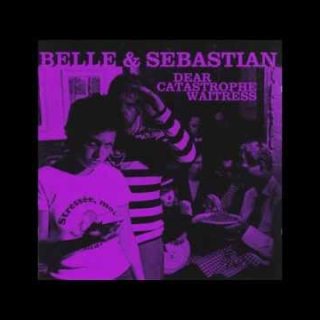
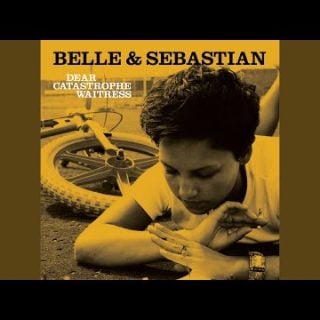
Emerging from the melodic streams of Belle and Sebastian’s discography comes ‘Lord Anthony,’ a song that weaves the tale of a misfit navigating the treacherous waters of adolescence. Culled from the band’s profound album, ‘Dear Catastrophe Waitress,’ the track resonates with anyone who has ever felt out of place, magnifying the small yet significant victories of the underdog.
Hidden beneath a veneer of melodic lightness, Belle and Sebastian’s ‘You Don’t Send Me’ is a poignant musing on change, the cessation of awe, and the slow descent into indifference that marks the end of many modern relationships. The Scottish indie pop band, known for their introspective lyrics and charismatic melodies, weave a narrative of emotional detachment and the desire for evolution in both personal and artistic realms.
Songs often serve as canvases for the swirling colors of human emotion, and Belle and Sebastian’s ‘Mornington Crescent’ is a poignant example. The Scottish indie pop band, known for their evocative storytelling, weaves a narrative that speaks to the soul’s search for freedom within the constraints of metropolitan life. ‘Mornington Crescent’ is more than just a melody; it’s a journey through shades of sentiment and the complexities of city living.
In the canon of indie pop music, Belle and Sebastian have crafted a legacy rich with narrative-driven songs that often read more like short stories than typical verse-chorus constructions. ‘Mary Jo’, a track from their 1996 debut album ‘Tigermilk’, is no exception, spinning a tale of a solitary character wrestling with the dichotomies of connection and solitude.
In the tapestry of indie pop, Belle and Sebastian stitch intricate narratives that resonate with ethereal charm and understated wisdom. ‘Waiting for the Moon to Rise’ emerges from the band’s repertoire like a whispered secret, a delicate convergence of poetry and melody that invites introspection. This track ensures that listeners sail on a gentle reverie of echoed emotions and harmonious daydreams.
Belle and Sebastian, known for their delicate dissections of youth and the human condition, once again beckon us into a poetic introspection with ‘We Rule the School.’ While at first glance a recollection of school-age nostalgia, a deeper listen reveals it to be a haunting chronicle of vulnerability, identity, and the silent pleas of youth that echo longer than ink on a tree.
In the realm of indie pop, Belle and Sebastian have etched their name with delicate narratives and gentle tunes. ‘You’re Just a Baby,’ a track from their seminal album, ‘Tigermilk,’ encapsulates the band’s penchant for capturing the ephemeral moments of youth and the bittersweet edge of growth and experience.
Belle and Sebastian’s hypnotic track ‘Dirty Dream Number Two’ weaves a fabric of melancholic introspection and sinewy narrative that encapsulates the human experience in its most vulnerable states. While the Glasgow-based ensemble is known for its twee, literary songwriting, this particular number from ‘The Boy with the Arab Strap’ stands out as a textured example of their adept storytelling.