훗 by 소녀시대 Lyrics Meaning – Exploring the Anthemic Rejection Anthem of K-Pop
Lyrics
눈 깜빡 할 사이 넌 또 check it out
지나가는 여자들 그만 좀 봐
아닌 척 못 들은 척
가시 박힌 코웃음
이상해 다 다 다 (다 다 다)
조금만 내게 친절하면 어때
무뚝뚝한 말투 너무 아파 난
이런 게 익숙해져 가는 건
정말 싫어 속상해 다 다 다 (다 다 다)
(Woo woo woo woo) 어딜 쳐다봐
(Woo woo woo woo) 난 여기 있는데
너 때문에 내 마음은
갑옷 입고 이젠 내가 맞서줄게
네 화살은 trouble trouble trouble
나를 노렸어
너는 shoot shoot shoot
나는 훗 훗 훗
독이 배인 네 말에
나 상처 입고도 다시 준 두 번째 chance (chance)
넌 역시 trouble trouble trouble
때를 노렸어
너는 shoot shoot shoot
나는 훗 훗 훗
Ah ah (ah ah)
다른 여자의 함정에 푹 빠졌다니
변명 끝 넌 아직도 정신 못 차리고 있지
그 태도로 좋은 여자 못 만날거다
영원히 넌 넌 넌 (넌 넌 넌)
(Woo woo woo woo) 착각마라 넌
(Woo woo woo woo) 큐피드가 아냐 (너 말야)
너 때문에 내 마음은
갑옷 입고 이젠 내가 맞서줄게
네 화살은 trouble trouble trouble
나를 노렸어
너는 shoot shoot shoot
나는 훗 훗 훗
독이 배인 네 말에
나 상처 입고도 다시 준 두 번째 chance (chance)
넌 역시 trouble trouble trouble
때를 노렸어
너는 shoot shoot shoot
나는 훗 훗 훗
물속에서 뜨려면 가라앉게
내가 만든 circle 너는 각지게
묻지 않은 말에 대답만 또 해
그래도 난 너처럼 화살은 안 쏠게 oh
너 때문에 내 마음은
갑옷 입고 이젠 내가 맞서줄게 (맞서줄게)
네 화살은 trouble trouble trouble
나를 노렸어
너는 shoot shoot shoot
나는 훗 훗 훗
독이 배인 네 말에
나 상처 입고도 다시 준 두 번째 chance
넌 역시 trouble trouble trouble
때를 노렸어
너는 shoot shoot shoot
나는 훗 훗 훗
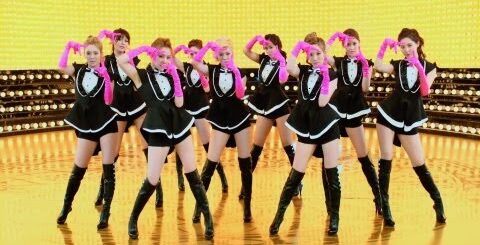
Emblazoned with the fiery sass and indomitable spirit that define K-pop’s golden era, 소녀시대’s ‘훗 (Hoot)’ remains a powerful testament to rejection and empowerment. Released amidst the crescendo of 소녀시대’s fame, ‘훗’ transports the listener to a time of bubblegum beats and choreographed confidence—a time when the industry’s leading octet wasn’t just singing about love, but rather engaging in a clever takedown of the playboy culture with a wink and a smirk.
This track, with its retro vibes and stylish delivery, unfurls like a well-shot cinematic scene where the heroes—소녀시대, stand resilient against the arrows of an unworthy lover. As we parse through the layers of lyrics and melodic hooks, ‘훗’ reveals itself not just as another breakup song, but as a cultural beacon that sparkles with subtext on independence and self-respect.
The Heart as a Battleground: Metaphors in Motion
The confines of ‘훗’ set up an emotional warzone, where hearts don armored gear to withstand the onslaught of deceitful arrows. It’s a chosen metaphor that hits home, painting a vivid picture of a relationship turned battleground. The recurring image of arrows, both as an offensive of the sly lover and a defensive in the counterattacks by the empowered, speaks volume of the interpersonal dynamics—causing us to reconsider the notions of attack and defense in love.
Moreover, this war of hearts tells a tale of resilience as it’s not just about withstanding pain but also about empowerment. By donning armor and taking a stand, 소녀시대 subversively expresses a refusal to remain passive victims to the whims of heartbreak.
Cupid’s Deceptive Twin: Analyzing the Lover’s Role
With lines such as ‘너는 shoot shoot shoot, 나는 훗 훗 훗’, there’s a subtle denunciation of the lover’s underhanded tactics. By comparing the troubled love interest to a faux Cupid, the group dissects the fallacy of romanticized shortcomings. The lover, armed with a quiver of trouble, becomes an agent of chaos in the landscape of their affections—laying bare a stark warning against romanticizing red flags as Cupid’s innocent misfires.
It’s a less traveled path, steering clear of typical odes to heartache, and instead, delivers a call-to-arms for self-worth and discerning love, asking the listener to recognize the charade, put on their armor, and say ‘훗’ to deception.
Unveiling the Message: Never Just a Simple Tune
Beyond its catchy refrains and pop hooks, ‘훗’ weaves a tapestry of deep subtext about the modern love ordeal. There’s an undercurrent of feminism, subtle yet unmistakable, as each verse builds on the resolve of a woman wronged by a man’s wavering gaze and shallow promises. It’s a cautionary tale warning against the seductive veneer of charm, and an invitation to look inward, armor up, and reclaim confidence.
It’s also a poignant reflection of the zeitgeist that 소녀시대 belonged to, mirroring a societal shift where women put forth their terms and stood ground amidst the adversities of love and life. ‘훗’ serves as an empowering narrative, fostering not a message of vengeance but one of self-elevation and grace under fire.
Memorable Lines: Catchphrases of a Love Revolution
The line ‘넌 역시 trouble trouble trouble’ catches the essence of realization and awakening. It’s not a simple accusation but the echo of a pattern recognized and refused. These are the words of someone who’s graduated from the school of hard knocks, voicing out a universal truth about troublesome lovers that listeners can chant in solidarity.
And let’s not forget the poignant pun in ‘훗’, which not only serves as a sound but represents a word play on the Korean term for ‘huff’ or a dismissive puff of breath—a subtle, yet brilliant, indication of the group’s attitude towards the offending party. The hook is a clever linguistic turn that resonates with a global audience, regardless of language barriers, cementing its spot in the annals of memorable K-pop lines.
Circle of Influence: Shapes and Symbols
Imagery is key to the lasting impact of ‘훗’, and one particular shape stands out: the circle. In the lyrics, 소녀시대 asserts, ‘내가 만든 circle 너는 각지게’, symbolizing a barrier or a limit set against the lover’s jagged edges. It’s not merely a defensive measure; it’s a crafted space of self-protection and personal boundaries.
Through this symbolism, ‘훗’ resonates with anyone striving to delineate their emotional space, serving as an anthem for those drawing circles around their hearts—not to shut love out, but to filter love in, keeping the angles of pain and manipulation at bay. It’s a message that remains relevant and potent, creating ripples in the grander narrative of pop culture and personal empowerment.