02. Place to Be by Nick Drake Lyrics Meaning – The Haunting Journey from Innocence to Experience
Lyrics
I never saw the truth hanging from the door
And now I’m older, see it face to face
And now I’m older, gotta get up, clean the place
And I was green, greener than the hill
Where flowers grow and the sun shone still
Now I’m darker than the deepest sea
Just hand me down, give me a place to be
And I was strong, strong in the sun
I thought I’d see when day was done
Now I’m weaker than the palest blue
Oh, so weak in this need for you
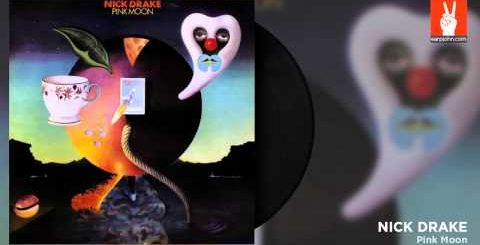
Nick Drake’s ‘Place to Be’ off his seminal 1972 album, ‘Pink Moon,’ is often celebrated as a pensive and soul-stirring track that wades deep into the essence of human transformation. More than a mere assembly of notes and words, the song is a musical chronicle of a man who journeys through the tides of growth, and the resulting loss of innocence that accompanies it.
Drake’s reclusive nature and his untimely demise at the young age of 26 have led many to retrospectively seek clues about his thoughts and feelings within his music. ‘Place to Be,’ with its nuanced simplicity, has become a canvas for listeners to project their ponderings about life’s profound shifts and the search for one’s locus in the world.
The Lost Eden: Yearning for the Sunlit Hills of Youth
When Nick Drake describes his younger self as ‘green, greener than the hill,’ he uses ‘green’ in both its literal and metaphorical senses. Literally, he might be referring to an idyllic, pastoral youth spent in countryside tranquility. However, the more profound interpretation casts ‘green’ as the color of naivety, of being unseasoned by life’s harsh realities.
As we grow, a stark realization confronts us: The verdant hill – once a symbol of endless potential and carefree growth – was also a land of blindness to the ‘truth hanging from the door.’ Drake captures this dual nature of growing up with poignant brevity, mourning the lost simplicity as he undertakes the stern duty of facing reality and ‘cleaning the place.’
A Descent into the Deep: From Brightness to the Abyss
The lyric ‘Now I’m darker than the deepest sea’ serves as a stark contrast to the earlier imagery of verdant hills and sunny landscapes. It’s a dive into the dark depths of the artist’s psyche, confronting the enigmatic, often suffocating feelings that adulthood can impose.
There is a dual play of fear and acceptance here. While the deep sea symbolizes a sense of loss and the ominous unknown, it is also a realm of profound substance and gravity, perhaps suggesting a deeper understanding of self that only comes with the passage of time and the accumulation of life’s experiences.
The Siren Call of Nostalgia: Weakening in the Evening of Life
Drake’s admission to growing weaker ‘than the palest blue’ when day is done echoes the universal inevitability of decline. The vibrant strength of the sun – a metaphor for youthful vitality – pales as the day ends, giving way to the night’s vulnerabilities. It’s a humane confession of an intimate struggle, bearing witness to the fragility that surfaces when the light fades.
This weakness could be interpreted as the sense of incompleteness that people feel when they yearn for an irrecoverable past or for an unreachable presence, in Drake’s case, the overwhelming ‘need for you.’ The notion that strength depends as much on the external — the sun — as on the internal emotional state is a powerful insight into Drake’s view on human resilience.
The Search for Solid Ground: Craving a ‘Place to Be’
To interpret ‘give me a place to be,’ we must comprehend the gravity of ‘place’ in Drake’s narrative. It’s more than a physical space—it’s a metaphorical site where one’s soul can rest at ease, sheltered from the tumultuous journey of personal growth and change.
As we wander from our youthful selves, our ‘place’ shifts, often becoming elusive. Drake invokes the collective desire for stability amidst our own complexity and the world’s relentless flux. It is a plea for anchoring, for a respite from the relentless search for meaning and identity in a world that often feels unmooring.
The Inner Lament: ‘Place to Be’ and Its Intrinsic Echoes
While Drake’s music celebrates lush instrumentation, ‘Place to Be’ stands out for its understated guitar work and vocals, placing the raw emotional power of its lyrics at the forefront. This minimalist approach creates a silence around the words that is as penetrating as the lyrics themselves, crafting a sanctuary for introspection that is both haunting and beautiful.
The song and its inherent melancholy resonate with universal themes of aging, loss, and the ceaseless search for self. It lingers long after the last chord has faded, leaving listeners to ponder their own ‘place to be’ in a world that often feels just out of reach. In this light, ‘Place to Be’ is not just a song — it’s a reflection on existence, an echo of the human experience that continues to find relevance with each succeeding generation.