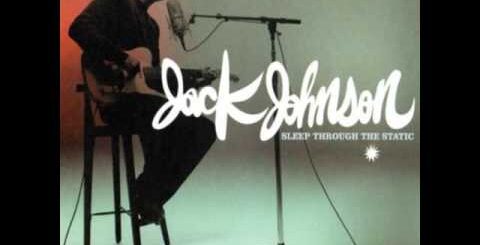
04. Good People by Jack Johnson Lyrics Meaning – A Cerebral Dive into Society’s Reflective Mirror
Lyrics
So what’s it gonna be
‘Cause people will tune in
How many train wrecks do we need to see
Before we lose touch of
We thought this was low
It’s bad getting worse so
Where did all the good people go,
I’ve been changing channels
I don’t see them
On the TV shows
Where did all the good people go,
We got heaps and heaps of what we sow
They got this and that
With a rattle of tat
Testing, one two
Man what you gonna do
Bad news, misused
Got too much to lose
Gimme some truth
Now whose side are we on
Whatever you say, turn on the boob tube
I’m in the mood to obey
So lead me astray, and by the way now
Where did all the good people go,
I’ve been changing channels I don’t see them
On the TV shows
Where did all the good people go,
We got heaps and heaps of what we sow
Sitting around feeling far away
So far away but I can feel the debris
Can you feel it
You interrupt me from a friendly conversation
To tell me how great it’s all gonna be
You might notice some hesitation
It’s important to you it’s not important to me
But way down by the edge or your reason
Well it’s beginning to show
And all I really want to know is
Where did all the good people go,
I’ve been changing channels
I don’t see them on the T.V. shows
Where did all the good people go,
We got heaps and heaps of what we sow
They got this and that
With a rattle of tat
Test down, one two
Man what you gonna do
Bad news, missed use
Gimme some truth
You got too much to lose
Now whose side are we on
But anyway, okay, whatever you say,
Wrong or resolute, I’m in the mood to obey
Station through station
Desensitizing the nation
Where did all the people go?
Going, going, gone
In the sphere of music where commercial clamor often drowns out the gentle strums of acoustic reflection, Jack Johnson’s ’04. Good People’ emerges as a soul-searching ballad that begs for introspection. At first glance, the track’s laid-back vibe and Johnson’s signature mellow tone might suggest another breezy tune from the surfer-turned-musician. Yet, upon closer listening, the song’s depth surfaces like a poignant crescendo, questioning the fabric of moral society amidst the cacophony of modern life.
Johnson’s artful storytelling challenges listeners to look beyond the display that is mainstream media, a spectacle engorged with the sensational and devoid of substantive ‘goodness.’ But ’04. Good People’ is more than just a societal critique; it is an invitation to sift through the static, to rediscover the essence of human goodness that seems to have slipped away from our collective grasp and our screens.
Anatomy of a Cultural Diagnosis
Johnson’s poignant opening lines serve as a powerful diagnosis for the cultural spectacle that has become our daily entertainment. He delineates a cycle of consumption where audiences are involuntarily fed a diet of ‘train wrecks,’ and disaster becomes the main attraction. This tableau sets the stage for Johnson’s essential query about the elusiveness of good people in the age of sensationalism.
Herein lies a dissection of society’s morbid fascination with calamity and misfortune, evoking a sense of loss for the humanistic qualities that once anchored communal narratives. Johnson implies that in this relentless pursuit of the next shocking story, we’ve become desensitized to the true lows of humanity, confining ‘good people’ to mere phantoms of an overstimulated imagination.
Sifting Through the Noise: A Quest for Authenticity
The chorus is an earworm that encapsulates the core of Johnson’s quest – a seemingly simple yet profound question: ‘Where did all the good people go?’ The repeated refrain, while catchy, serves as an anthem for those feeling alienated by the bombardment of negative imagery. Johnson’s channel changing is symbolic of a deeper search for authenticity amidst a landscape polluted with the artificial.
This chant-like inquiry becomes a mirror reflecting a societal hunger for integrity and truth. By empathizing with the listener’s struggle to locate goodness in the noise, Johnson forms a silent alliance with anyone who has felt overwhelmed or unrepresented by the shallow offerings of mainstream media.
The Hidden Meaning Behind the Rattle-tat
The seemingly playful ‘rattle of tat’ Johnson iterates is more insidious than it initially appears. It signifies the incessant chatter, the overwhelming flood of pointless distractions and trivial content that besiege our daily lives. The absurdity of the phrase calls attention to the random cacophony that drowns out meaningful discourse.
This ‘rattle-tat’ is also Johnson’s nod to the underlying chaos of medianoise that muffles the voice of reason and truth. It signifies the static that disconnects us from what is real and significant, pushing away the good people and good deeds that fail to make the sensationalist cut.
The Dichotomy of Modern Media: Misuse versus Truth
Johnson’s verses articulate the dichotomy between the misuse of media and the quest for truth. He criticizes the media’s manipulation — the ease with which we are swayed to ‘obey’ and adhere to the narratives spun before us. The lyrics dissect the willing surrender to agenda-driven messages, questioning the integrity of the information diet fed to the public.
Peering through the verses, one finds an artist urging the audience to demand authenticity — ‘Gimme some truth’ becomes a rallying cry for the disenchanted and the disheartened. Johnson refuses to take sides, instead issuing a call to question and challenge the very foundations of the information that shapes our understanding of the world.
Memorable Lines That Echo in the Silence
It is the quiet musings of ‘Sitting around feeling far away’ that resonate with the listeners’ innermost ruminations of displacement in a connected world that paradoxically fosters isolation. As Johnson acknowledges the ‘debris’ that we can all feel — the aftermath of societal disintegration — he captures the essence of an individual’s yearning for simple, pure human connection.
In dissecting the interruption from ‘a friendly conversation,’ Johnson critiques the superficiality that pervades social interactions and highlights the rarity of genuine dialogue. When he expresses the inconsequentiality of certain promises (‘It’s important to you it’s not important to me’), it is a subtle yet powerful acknowledgement of the dissonance between personal values and imposed narratives. These lines echo long after the song fades, as listeners carry the weight of Johnson’s reflections in their own search for the good people.