I Fought the Law by The Clash Lyrics Meaning – Rebellion Anthems Unveiled
Lyrics
I fought the law and the law won
I fought the law and the law won
I needed money ’cause I had none
I fought the law and the law won
I fought the law and the law won
I left my baby and it feels so bad
Guess my race is run
She’s the best girl that I ever had
I fought the law and the law won
I fought the law and the
Robbin’ people with a six-gun
I fought the law and the law won
I fought the law and the law won
I lost my girl and I lost my fun
I fought the law and the law won
I fought the law and the law won
I left my baby and it feels so bad
Guess my race is run
She’s the best girl that I ever had
I fought the law and the law won
I fought the law and the
I fought the law and the law won
I fought the law and the law won
I fought the law and the law won
I fought the law and the law won
I fought the law and the law won
I fought the law and the law won
I fought the law and the law won
I fought the law and the
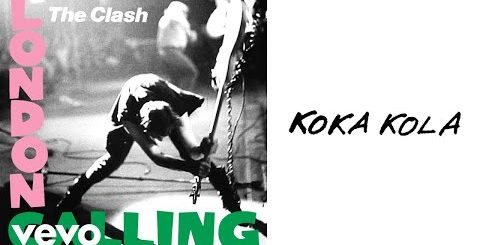
The Clash thunderously proclaimed ‘I fought the law and the law won,’ echoing through the ages as a mantra of rebel hearts and unyielding spirits. The ferocious track, a cover of the original by The Crickets and later popularized by Bobby Fuller Four, was transformed by The Clash into a punk rock rallying cry that captured the zeitgeist of resistance and the stark confrontation with authority.
In the battle between self and society, between the individual’s desires and the rigid armature of the law, the song serves as an emblematic narrative for those who’ve found themselves on the losing side of the clash. But is this just a story about a bandit brought to justice, or do the lyrics carry deeper, more subtle connotations about our everyday struggles, our loves lost, and the systemic chains that bind us?
The Beat of Rebellion and the Heartbeat of a Generation
The Clash didn’t simply cover a song; they ignited a cultural flashpoint. ‘I Fought the Law’ reverberates a sense of defiance that went hand-in-hand with punk’s ethos. It wasn’t only about the content of the lyrics but the context in which The Clash appropriated the song, symbolizing an attitude and an era. Punk was more than music; it was a reaction to the establishment, and The Clash was its mouthpiece.
Their version of ‘I Fought the Law’ encapsulates the raw energy and the fervor for change that characterized the late 70s and early 80s. Every strum resounded like a call to arms, every drumbeat a march against the monoliths of society. The Clash was telling their fans that it’s okay to fight, even if you’re destined to lose because the act of standing up is a victory in itself.
Desperate Times Call for Desperate Measures
Central to the song’s thrust is the desperation vividly painted in its opening lines. ‘I needed money ’cause I had none’ is not a simple confession but a universal lament. The song’s protagonist is pushed to the brink, forced to commit a crime, revealing the pressures exerted by poverty and need. It is a slice of social commentary wedged within the rollicking tune.
Through this lens, The Clash not only sings a story of crime and punishment but also opens a dialogue about the circumstances that often surround illegal acts. The systemic failures that lead to financial despair and the lengths to which individuals will go for survival.
Love in the Crossfire: The Personal Cost of Defiance
There’s no rebellion without sacrifice, and ‘I Fought the Law’ lays bare the personal toll of the protagonist’s choices. ‘I left my baby and it feels so bad’ is not just a throwaway line; it’s the human face of conflict. This song isn’t only about an abstract fight against authorities; it’s about the people who get caught in the middle.
This lyric pulls the narrative from the political to the personal, underscoring that the clash with the law isn’t a solitary battle. It affects relationships, those we love, and ultimately the course of our lives. The Clash captured the pain of personal loss that accompanies a fight for something bigger than oneself.
Unpack the Hidden Meaning: Anarchy in Melody
At first glance, ‘I Fought the Law’ might appear as a straightforward tale of crime and punishment. However, beneath the surface roils an undercurrent of subtext about the mechanics of control and the illusion of free will. Is The Clash merely telling us a story, or are they planting the seeds of anarchy, questioning the law’s morality itself?
The repeating phrase ‘and the law won’ suggests an inevitable conclusion preordained by the powers that be. It rings with a tinge of fatalism and a smirk of sarcasm. The chorus becomes a commentary on the futility of trying to escape the system, echoing the sentiment that the house always wins.
Memorable Lines: Echoes of a Battle Cry
‘Robbin’ people with a six-gun’ is etched in the collective memory as an image of the classic outlaw. But in The Clash’s hands, this line evokes more than just a wild west vignette. It’s the articulation of revolt and the lengths to which one might go when cornered by a society that doesn’t offer an escape.
The simplicity of the lyrics, stripped to their core, belies a sophisticated commentary on crime, authority, and inevitable consequences. It challenges the listener to look beyond the narrative and ask themselves about the nature of the law, the justice it serves, and the price of breaking it. These memorable lines don’t just recount a defeat; they question the very rules of engagement.