Category: The Clash

Stay Free by The Clash Lyrics Meaning – A Dive into the Anthem of Rebellious Friendship

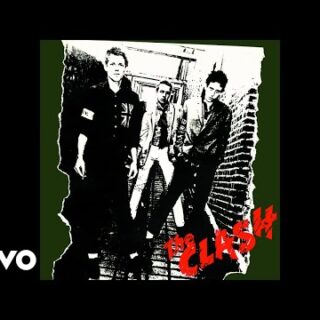
Amidst a landscape of roaring guitars and raw, guttural performances, The Clash’s ‘Stay Free’ emerges as not just another punk rock anthem, but a narrative steeped in a much more personal and nuanced cloak. At first listen, the song might raise the banner of rebellion high, and one wouldn’t be blamed for thinking it’s an all-out riot against systematic oppression. However, a closer look at the lyrics reveals a story much closer to the bone—a tribute to friendship, the journey of life, and maintaining the core of who you are against the odds.
Safe European Home by The Clash Lyrics Meaning – An Exploration of Disillusionment and the Search for Identity

The Clash’s ‘Safe European Home’ isn’t just another punk anthem; it’s a searing critique wrapped in raucous chords and rebellious sneers. Released on their 1978 album ‘Give ‘Em Enough Rope,’ the song harbors a complex blend of emotions, narratives, and cultural references that unpack the personal and collective experiences of the band and their era.

Garageland by The Clash Lyrics Meaning – Punk’s Defiant Stand Against Commercialization

When The Clash released ‘Garageland,’ it wasn’t just a song; it was a battle cry from the depths of the underground, an anthem for the legions of garage bands waging war against the gilded veneer of the mainstream music industry. Packed with the kind of raw energy and social defiance that epitomized punk, ‘Garageland’ wasn’t merely a track—it was The Clash’s declaration of independence.

Police on My Back by The Clash Lyrics Meaning – Chasing the Siren’s Tale in Punk Rock

The Clash didn’t just write songs; they loaded them with social commentary, cloaked in the raucous energy of punk rock rebellion. ‘Police on My Back,’ a track ringing with the urgency of sirens and the rhythm of running feet, is no exception. Initially penned by Eddy Grant and first recorded by his band The Equals, The Clash’s rendition packs a punch, with a stark portrayal of being chased—literally and metaphorically—by forces that can spell doom.

This is Radio Clash by The Clash Lyrics Meaning – Decoding Punk’s Sonic Rebellion

When The Clash released ‘This is Radio Clash’, they weren’t merely dropping another post-punk anthem – they were igniting an aural insurrection. The 1981 single serves not just as a vehicle for the band’s potent blend of rock, reggae, and hip-hop influences, but as a conduit for a rousing political statement, encoded within its frenetic beats and militant chants.

English Civil War by The Clash Lyrics Meaning – An Anthem of Disillusionment in Modern Warfare

Through the punk-infused roar of guitars and the impassioned cries of frontman Joe Strummer, The Clash’s ‘English Civil War’ is not just a song; it is a historical passage, a cry of resistance, and a mirror reflecting the repetitious nature of conflict. Anchored in the turbulent currents of the late ’70s, this track from their 1978 album ‘Give ‘Em Enough Rope’ resonates with the beat of boots on the ground and the timeless struggle against oppression.

Know Your Rights by The Clash Lyrics Meaning – A Deep Dive into Punk’s Political Proclamation

In an era where punk rock was more than just a genre, it was the lifeblood of political discontent and social examination, The Clash stood as prophets of that very gospel. ‘Know Your Rights,’ a jarring anthem from their 1982 album ‘Combat Rock,’ emerges as a searing critique of the so-called rights afforded to the individual in a society teetering on the edge of oppression and civil unrest.

Remote Control by The Clash Lyrics Meaning – Unpacking the Punk Rebellion Anthems

In the combustible climate of 1970s Britain, The Clash emerged as the defiant voice of a generation, wielding the power of punk rock as a vehicle for political and social commentary. Their song ‘Remote Control’ is more than just a rapid-fire punk tune; it’s a scathing critique of control and conformity, gilded with the raw energy and provocative edge for which The Clash became synonymous.