Sheela-Na-Gig by P.J. Harvey Lyrics Meaning – Exploring the Layers of Feminine Rebellion and Identity
Lyrics
Look at these, my child-bearing hips
Look at these, my ruby red ruby lips
Look at these my work strong arms and
You’ve got to see my bottle full of charm
I lay it all at your feet
You turn around and say back to me, “he said”
Sheela-na-gig, Sheela-na-gig
You exhibitionist
Sheela-na-gig, Sheela-na-gig
You exhibitionist
Gonna wash that man right out of my hair
Just like the first time, said he didn’t care
Gonna wash that man right out of my hair
Heard it before, no more
Gonna wash that man right out of my hair
Turn the corner, another one there
Gonna wash that man right out of my hair
Heard it before, he said
Sheela-na-gig, Sheela-na-gig
You exhibitionist
Sheela-na-gig, Sheela-na-gig
You exhibitionist
Put money in your idle hole
Put money in your idle hole
Gonna wash that man right out of my hair
Just like the first time, said he didn’t care
Gonna wash that man right out of my hair
Heard it before, no more
Gonna take my hips to a man who cares
Turn the corner, another one there
Gonna take my hips to a man who cares
Heard it before, he said
Sheela-na-gig, sheela-na-gig
You exhibitionist
Sheela-na-gig, sheela-na-gig
You exhibitionist
Put money in your idle hole
Put money in your idle hole
He said “wash your breasts, I don’t want to be unclean”
He said “please take those dirty pillows away from me”
He said “wash your breasts, I don’t want to be unclean”
He said “please take those dirty pillows away from me”
He said “wash your breasts, I don’t want to be unclean”
He said “please take those dirty pillows away from me”
He said “wash your breasts, I don’t want to be unclean”
He said “please take those dirty pillows away from me”
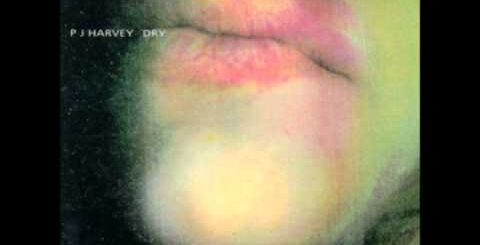
P.J. Harvey’s ‘Sheela-Na-Gig’ is more than just a song; it’s a gritty, poetic manifesto that tears into the fabric of female sexual expression and autonomy. The track, which appeared on Harvey’s 1992 debut album, ‘Dry’, does not shy away from confronting the patriarchal structures that constrain women’s experiences of their own bodies and sexuality.
The name ‘Sheela-Na-Gig’ itself refers to the mysterious medieval carvings of women displaying exaggerated vulvas, believed to be symbols of fertility or warding gestures. Harvey adopts this provocative image and weaves a narrative that challenges the listener to rethink attitudes toward the feminine form and power. Here, we delve into the anatomy of ‘Sheela-Na-Gig’, dissecting its complex layers and uncovering the anthem’s bone-deep resonance.
The Exuberance of Resistance: Unpacking the Title
The song’s title, ‘Sheela-Na-Gig’, is not merely a catchphrase; it’s a key that unlocks centuries of female suppression and subsequent defiance. Harvey introduces us to the arcane image of the Sheela-Na-Gig as a means of peering into the past—a time when female sexuality was both venerated and vilified. In her hands, the Sheela-Na-Gig becomes an emblem of female liberation, a stark contrast to the cloaked sexual dynamics of the present.
By embracing the label of ‘exhibitionist’ with a sneer, Harvey pointedly comments on the objectification of the female body and the double standards applied to women’s sexual agency. It’s a reclaiming of the term, stripping it of its derogatory intend and armor-plating it with irony and strength.
Unleashing the Feminine Form: The Potent Imagery
Harvey crafts imagery in ‘Sheela-Na-Gig’ that is at once viscerally corporeal and unmistakably defiant. Child-bearing hips, ruby red lips, and work-strong arms are not just physical features; they are a lexicon of feminine strength and capability, weaponized against the male gaze that seeks to define and diminish.
The repeated line ‘Gonna wash that man right out of my hair’ echoes the classic song from the musical ‘South Pacific’, but Harvey’s rendition morphs it into an anthem of emancipation. She manipulates the trope of purifying oneself of a man’s influence, reconstructing it as a declaration of severing the ties society has woven between male approval and self-worth.
Assertive Repetitions: The Mantra of Reclamation
There’s a rhythmic pulse to the repetitious nature of Harvey’s lyrics, mirroring the ceaseless struggle for self-sovereignty amidst patriarchal strictures. Each iteration of ‘He said’ followed by demands to be clean, or do away with ‘those dirty pillows’, lays bare the relentless pressures on women to conform to male standards of purity while being scrutinized and sexualized.
Harvey’s repetition is not just a literary device; it’s a drumbeat of resistance, a chant to shake off the dusty expectations and reclaim autonomy over one’s body and image, echoing the feminist movements that have chanted similar refrains across history.
The Song’s Most Memorable Lines: A Closer Look
‘Put money in your idle hole’—this line, delivered twice with a biting cadence, operates on several levels. It’s an invocation of the transactional view of women’s bodies, a reduction of personhood to mere commodity. Yet when rendered through Harvey’s biting tone, the phrase becomes a scornful retort to the notion of female passivity and a refusal to occupy the role of object within a capitalist patriarchy.
‘He said