A Boy’s Best Friend by The White Stripes Lyrics Meaning – Unlocking the Depths of Isolation and Maternal Bonds
Lyrics
Their thoughts cast me out of here
Their home has run out of space
My mind’s already out of here
Won’t you come along, dear?
Won’t you come along?
Words that are spoke alone
Phrases you will never hear
Empty rooms and a telephone
That I will never use
Never fear
I am all alone, dear
I am all alone
My dogs come sit next to me
A pack of dogs and cigarettes
My only friends speak no words to me
But they look at me and they don’t forget
That a boy’s best friend
Is his mother or whatever has become his pet
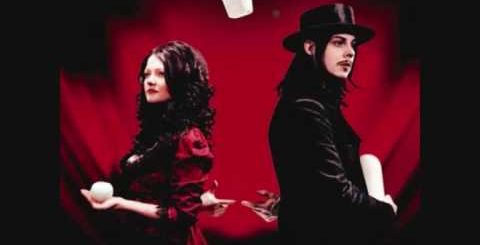
Peering through the distorted, red-and-white lens of The White Stripes, ‘A Boy’s Best Friend’ from their seminal album ‘De Stijl’ unfolds as an introspective anthem. The duo, known for their garage rock simplicity and raw energy, unexpectedly delves into the quieter realms of human emotion and solitude with this track. The song’s stoic simplicity masks a complex exploration of alienation, maternal relationships, and the companionship of animals as surrogate kin.
Jack White’s lilting, blues-inflected voice carries a haunting performance of the lyrics, imbuing them with a weight that lingers long after the last guitar strum fades. With a minimalist arrangement that strips down to the emotional bare bones, The White Stripes create a poignant conversation about the need for understanding and companionship in a world that often casts out the misunderstood.
Echoes of Solitude: The Crushing Weight of Alienation
The opening lines paint a stark portrait of ostracization, with the protagonist being shunned from an unidentified collective—a ‘their’ that could signify peers, society, or even family. White’s strained vocals mirror the claustrophobic feeling of a mind that no longer feels at home within its surroundings. ‘Their thoughts cast me out of here,’ encapsulates the cold rejection one can face when they find themselves marching out of step with the world’s expectations.
The idea that ‘their home has run out of space’ amplifies the concept of a physical and emotional expulsion, leaving the song’s subject floating in a vacuum of thought, yearning for escape to a place where the mind is liberated ‘already out of here.’ There’s an implicit nod to existential quandaries here—the fear of insignificance and the desire for a place where one truly belongs.
The Unanswered Call: Seeking Vainly for Connection
‘Words that are spoke alone / Phrases you will never hear,’ whispers a somber acceptance of unreciprocated communication. The stark image of ’empty rooms and a telephone / That I will never use’ drives home a sense of abandonment. Here is a soul reaching out, craving contact, only to be met with silence. This refusal or inability to communicate opens a chasm between the individual and the world, accentuating the recurring theme of isolation within the piece.
The song addresses the modern paradox where tools for connection are ubiquitous, yet true understanding remains just out of reach. In a society increasingly reliant on technology, the premonition of an unused telephone becomes a powerful metaphor for our struggle to forge meaningful connections amid the din of incessant noise.
The Only Friends That Don’t Betray: An Ode to Silent Companions
It is within the company of ‘a pack of dogs and cigarettes’ that the narrator finds a reprieve from the loneliness that pervades. There’s an almost primal regression here, a return to the basics of existence—companionship without the complications of human relationships. These quiet friends ‘speak no words,’ yet they ‘look at me and they don’t forget.’ In the silence of their gaze is an acceptance that transcends verbal communication—a pure, unwavering recognition.
Remarkably, the song reflects the simplicity of animal loyalty as an antidote to the often fickle nature of human bonds. They serve as silent sentinels, providing a source of comfort that can be more reliable than the complex and sometimes painful relationships with those who possess the power of speech.
Dissolving the Oedipal Knot: Motherhood as Sanctuary and Strife
The reference to a ‘mother or whatever has become his pet’ is perhaps one of the most poignant moments in the song. It suggests a Freudian entanglement, where the intrinsic maternal bond remains foundational to the concept of love and safety. Yet there is also an implication that such connection could be supplated—either because it has been damaged, or the maternal figure may be absent, physically or emotionally.
Thus, the pet becomes surrogate; a being who offers the unconditional acceptance ideally associated with motherhood. Such a substitution speaks volumes about the human craving for non-judgmental affection and the lengths to which the lonely will go to find a vestige of the maternal archetype in their lives.
Lyrical Gemstones: Memorable Lines that Cut Deep
‘My only friends speak no words to me / But they look at me and they don’t forget,’ captures with devastating clarity the crux of the song’s emotional journey. In these lines lies a cry for recognition, a plea for remembrance in a world where the individual often feels swept aside and inconsequential.
The simplicity of the phrase, paired with its profound implication, offers a stark contrast to the complex, often convoluted means we employ to achieve similar sentiments. It’s a haunting reminder of what is ultimately sought after in the cacophony of human existence—to be seen, to be understood, to be remembered, in the most stripped-back and sincere way possible.