A minha menina by Os Mutantes Lyrics Meaning – Unraveling the Psychedelic Love in Tropicália’s Gem
Lyrics
Ha ha ha ha
Ela é minha menina
E eu sou o menino dela
Ela é o meu amor
E eu sou o amor todinho dela
Chama, hu
A lua prateada se escondeu
E o sol dourado apareceu
Amanheceu um lindo dia
Cheirando alegria
Pois eu sonhei e acordei pensando nela
Pois ela é minha menina
E eu sou o menino dela
Ela é o meu amor
E eu sou o amor todinho dela
A roseira já deu rosas
E a rosa que eu ganhei foi ela
Por ela eu ponho o meu coração
Na frente da razão
E vou dizer pra todo mundo
Como gosto dela
Pois ela é minha menina
E eu sou o menino dela
Ela é o meu amor
E eu sou o amor todinho dela
Uh, vai, Jorge
A lua prateada se escondeu
E o sol dourado apareceu
Amanheceu um lindo dia
Cheirando alegria
Pois eu sonhei e acordei pensando nela
Pois ela é minha menina
E eu sou o menino dela
Ela é o meu amor
E eu sou o amor todinho dela
Minha menina
Minha menina
Minha menina
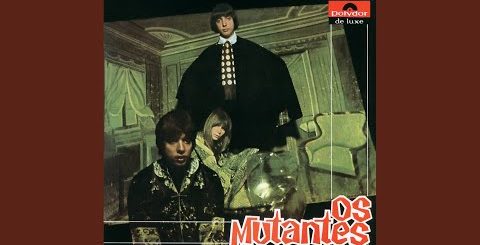
Enter the kaleidoscopic world of Os Mutantes, the Brazilian band that shook the foundations of traditional music and infused it with avant-garde aesthetics, creating a soundscape that continues to resonate throughout generations. ‘A minha menina’, a track that encapsulates the heart of the Tropicália movement, is more than just a throwback to 1960s psychedelia — it’s an enduring emblem of lyrical simplicity and musical complexity.
Through this vivacious tune, tinted by an undercurrent of socio-political undertones typical for the era, we tap into the quintessence of Os Mutantes’ ability to blend playfulness with profundity. It’s a declaration of love, but pull at the threads of its melodic tapestry, and one discovers an expression of freedom and identity that resonated powerfully against the backdrop of authoritarian oppression.
A Symphony of the Heart: The Surface Beauty of a Love Song
‘A minha menina’ resonates as a carefree ode to love, an exuberant celebration of the affection between the singer and their beloved. The persistent refrain of mutual belonging – “Ela é minha menina, E eu sou o menino dela” – transcends language barriers, conveying a universal emotion that’s heartfelt and immediate.
With whimsical lyrics set against the backdrop of rhythmic guitar riffs and an infectious beat, the song captures the simplistic beauty of youthful romance. It’s the sonic embodiment of a heart skipping a beat, and as its harmonies ensnare your senses, you can’t help but reminisce about those innocent days of first loves and the euphoria that comes with them.
The Golden Dawn of a New Era: Tropicália and Sociopolitical Subtext
Os Mutantes were at the forefront of the Tropicália movement, an artistic revolution that sought to challenge the norms. ‘A minha menina’ may sing of love, but each strum of the guitar, each burst of laughter serves as a subtle act of rebellion, symbolizing the power of creative freedom amidst Brazil’s military dictatorship.
The dawn described in the lyrics is not just of a ‘lindo dia’ (beautiful day) but of a transformative era in Brazilian culture. It’s an awakening from darkness to light, a metaphor for the transition from oppressive silence to a future filled with voice and vitality.
Immortalizing the Ephemeral: ‘Ela é o meu amor’
Amid the song’s many repetitions of love declarations, this particular line stands out as an anchor, a pledge of devotion that extends beyond the song’s runtime. It is a reminder of how love, in its purest form, persists in the face of adversity, becoming the eternal subject of poetry, song, and art.
Rather than fleeting, the sentiments expressed in ‘A minha menina’ become an anthem for lovers everywhere, reinforcing the idea that love stories, no matter how personal, become shared tales of human experience that continue to touch souls across different landscapes and times.
Melodic Radiance: Unearthing the Hidden Meanings
To the untrained ear, ‘A minha menina’ may sound like a straightforward serenade. However, the laughter that punctuates the coughs at the beginning hints at the layered intricacies of the track. It juxtaposes joy against an ailment, perhaps mocking the idea that anything could dampen the spirits during such a colorful era.
Furthermore, by placing the heart before reason and publicly declaring their love, the lyrics subtly underscore the importance of emotional truth over societal expectations or constraints—a revolutionary idea at its core, aligned with the Tropicália movement’s ethos.
From Poesy to Posterity: ‘A roseira já deu rosas’
The cyclical nature of the rose—budding, blooming, and eventually being gifted—mirrors the cyclical nature of trends, revolutions, and even musical movements like Tropicália. Just like a rosebush will continue to bloom, the impact of Os Mutantes continues to blossom in contemporary culture.
In citing the rose as a gift from the beloved, the song alludes to the bewitching simplicity of nature and love, and their capacity to outlive the transient, to become part of the collective consciousness—a symbol, much like ‘A minha menina’ itself, cherished and nurtured by subsequent generations.