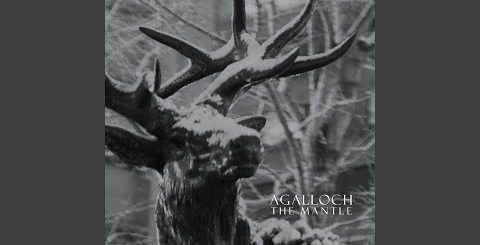
…And the Great Cold Death of the Earth by Agalloch Lyrics Meaning – A Eulogy for the Transience of Life
Lyrics
And I am shattered on the floor
Life is a clay urn on the mantle
And I am scattered on the floor
We are the wounds and the great cold death of the earth
“Earth is floating on the waters like an island,
Hanging from four rawhide ropes
Fastened at the top of the Sacred four directions.
The ropes are tied to the ceiling of the sky,
When the ropes break, this world will come
Tumbling down and all living things will fall with it and die…”
Life is a clay urn on the mantle
And I am the fragments on the floor
Life is a clay urn on the mantle
And I am the ashes on the floor
We are the wounds and the great cold death of the earth
Darkness and silence, the light shall flicker out
Delving into the melancholic masterpiece by Agalloch, ‘…And the Great Cold Death of the Earth,’ takes listeners through a haunting journey laden with poetic grimness and existential reflection. From the fragile imagery of a shattered urn to the prophetic visions of a world’s end, the song orchestrates a stirring meditation on the finality and fragility of existence.
This exploration is not just about the lyrics themselves, but about the tapestry of emotion and thought woven into each phrase. In the shiver-inducing verses and somber melodies, Agalloch masterfully paints a portrait of impermanence and the inevitable decay that encircles life itself.
Unraveling the Urn: Fragility and the Human Condition
The recurring image of life as a ‘clay urn on the mantle’ serves as a poignant metaphor for the brittle nature of existence. It is a stark reminder that all it takes is a single moment of misfortune for life to shatter, scattering its once-coherent identity across the unforgiving floor of reality. The fragility captured here resonates with the listener’s own understanding of mortality and the delicacy of the human condition.
The lyrical repetition emphasizes this vulnerability; the ‘urn’ isn’t just broken, it’s ‘scattered,’ ‘fragments,’ and ultimately, ‘ashes’ — each iteration evoking a deeper sense of dissolution. As the song progresses, it invites the audience to confront the uncomfortable truth that even the most cherished facets of life are prone to disintegration.
The Apocalyptic Tapestry: Envisioning the End of the World
Coupling indigenous mythology with apocalyptic scenery, the lyrics draw upon a powerful and foreboding narrative. The world, described as suspended by ropes from the sky, is an evocative image of precarious balance — a balance that, once upset, heralds cataclysm. The tension between stability and impending doom mirrors global anxieties, from environmental collapse to existential crises.
Moreover, the specificity of ‘four rawhide ropes’ and ‘the Sacred four directions’ layers the song with a cultural resonance, perhaps alluding to Native American cosmology. It is a striking visualization of an interconnected universe where all elements are bound by sacred, if fragile, ties.
Echoes of Desolation: The Silence after the Flicker
Not just content with vivid imagery, Agalloch plunges into sensory depictions of desolation, where ‘darkness and silence’ reign supreme. The ‘light shall flicker out’ is a hauntingly beautiful conclusion, as it brings closure not with a bang but a whimper. It encapsulates the quietude that follows life’s clamor, a hush that belies the turbulence that once was.
This silence is not peaceful repose; it is the absence of existence, the void left where life once danced. In crafting these lines, Agalloch does not merely write lyrics; they sketch the soundscape of oblivion itself, leaving an indelible echo in the minds of those who listen.
Hidden in Plain Sight: The Undercurrents of Ecological Grief
While not overtly environmental, Agalloch’s ‘…And the Great Cold Death of the Earth’ carries a shroud of ecological grief. The ‘warts’ likely allude to the scars we leave on the earth, the ‘great cold death’ a nod to the chill of a world stripped bare by human hands. The lyrics serve as an elegy not just for individual finality, but for planetary loss — a death knell for Mother Earth herself.
This reading adds a layer of urgency and advocacy to the song. It becomes a plea, a wake-up call to the destructive path humanity treads. In the understated references to nature’s demise, Agalloch blends the personal with the universal, illuminating the intimate relationship between our lives and the environment that cradles them.
Immutable Verse: The Lines That Haunt the Soul
Despite the song’s complexity, certain verses imprint themselves upon the listener with the weight of immutable truth. ‘Life is a clay urn on the mantle’ starts as a simple observation but grows into a chilling mantra. It encapsulates the dualism of existence and nonexistence in a deceptively simple package, one that resonates with anyone who has pondered the impermanence of all things.
The verses repeat, echoing through the ages, an acknowledgment that while individuals perish, universal truths survive. Agalloch writes not just with ink but with emotional resonance, crafting lines that resonate with a haunting foresight, becoming memorable not just for their content but for the emotional journeys they provoke.