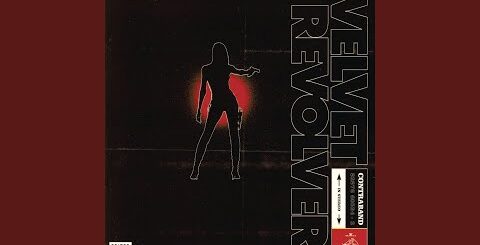
Big Machine by Velvet Revolver Lyrics Meaning – Dissecting the Modern Struggle Against Societal Constraints
Lyrics
Because she says so
He’s a faggot boy
The TV says so
He’s a junkie piece of shit because he says so
All that first-class jet set brings me down, down, down
All that first-class drug shit brings me down, down, down
It’s a big machine, it’s a big machine
We’re all slaves to a big machine
It’s a big machine, it’s a big machine
We’re all slaves to a big machine
All tied up to a big machine
I got houses
Got cars
I got a wife
I got kids
Got money in the bank
Get away without borders
I’m a slave, New World Order
I guess I chose to be
I guess I chose to be
I guess I chose to be
I guess I chose to be
All that first-class jet set brings me down, down, down
All that first-class drug shit brings me down, down, down
It’s a big machine, it’s a big machine
We’re all slaves to a big machine
It’s a big machine, it’s a big machine
We’re all slaves to a big machine
All tied up to a big machine
I got houses
Got cars
I got a wife
I got kids
Got money in the bank
Hope I teach my son how to be a man
Now before he hits thirty five
Comic book lives don’t really have any real life do they now
Hope I teach my son how to be a man
Now before he hits thirty five
Comic book lives don’t really have any real life do they now
I don’t know
Because she says so
He’s a faggot boy
The TV says so
He’s a junkie piece of shit because he says so
All that first-class jet set brings me down, down, down
All that first-class drug shit brings me down, down, down
It’s a big machine, it’s a big machine
We’re all slaves to a big machine
It’s a big machine, it’s a big machine
We’re all slaves to a big machine
All tied up to a big machine
I got houses
Got cars
I got a wife
I got kids
Got money in the bank
We’re all slaves to a big machine
We’re all slaves to a big machine
We’re all slaves to a big machine
We’re all slaves to a big machine
It’s a big machine, it’s a big machine
We’re all slaves to a big machine
It’s a big machine, it’s a big machine
We’re all slaves to a big machine
All tied up to a big machine
I got houses
Got cars
I got a wife
I got kids
Got money in the bank
Unveiling the layers of Velvet Revolver’s ‘Big Machine’ transports us into a raw exposition of the human condition, an anguished narrative framed by the aggressive melodies of hard rock. The track unfolds as a harrowing critique of materialism, societal expectations, and the often-unseen chains that bind the self to a relentless, mechanized existence.
The lyrical journey plunges into the depths of rebellion and acquiescence, a duality that reflects our intrinsic battle for individual freedom amidst the pervasive influence of media, societal norms, and the intoxicating allure of wealth and possessions. ‘Big Machine’ thus emerges not just as a song, but as an anthem of existential realization and resistance.
The Anthem of the Enslaved: Society’s Confining Hold
In an era where the consumer is king and media dictates trends, ‘Big Machine’ feels less like a song and more like a commentary on modern bondage. The metaphor of society as a ‘big machine’ to which we’re all unwillingly tethered reveals an agonizing truth: participation is mandatory, escape is illusory. Velvet Revolver paints a vivid picture of the modern individual as a cog in an ever-turning wheel, disillusioned yet seemingly powerless to disrupt the cycle.
As listeners, we’re confronted by an onslaught of confessions that strip bare the facade of the ideal life. Houses, cars, a family, and monetary wealth—all symbols of success—are tainted by the realization that these are not choices but chains. The song’s assertive rhythm and energy serve to underscore the urgency of this recognition, challenging the listener to awaken from complacent consumerism.
Revelation in Repetition: The Chorus That Unites Us In Desperation
The drilling repetition of the song’s chorus—’It’s a big machine, it’s a big machine, we’re all slaves to a big machine’—creates an almost hypnotic chant that reflects our collective entrapment. Through this mantra, Velvet Revolver unites us all, regardless of our varying circumstances, as victims of the same grand, oppressive force. The resonance created by the words provokes not just thought but feeling, a profound disquiet that stirs from within, demanding recognition.
By hammering this chorus into the consciousness of the listener, the song becomes an earworm not just melodically but thematically. Each return to these lines serves as a reminder of our societal chains and the complacency that lets them remain clasped.
A Reflection on Parenthood and Legacy
Veering from the abstract to the deeply personal, the lyrics tap into a sense of vulnerability and responsibility in the lines surrounding parenthood. The earnest hope of teaching one’s son ‘how to be a man,’ voiced by the singer, speaks to the poignant desire to break the generational cycle of subjugation. It’s a call for awareness and strength in the face of pervasive systemic forces.
The comparison of life to a ‘comic book’ insinuates a lack of authenticity and substance in modern-day existence. This metaphor suggests an urgency for imparting wisdom and authenticity to the younger generation before they too are swept up in the mechanized march of time.
Dismantling the Glitter: The Hidden Meaning Beneath Materialism
One cannot ignore the insistent message that gnaws through the lines of ‘Big Machine’—the idea that material achievements symbolize success while sabotaging our true essence. The image of jet-set lifestyles and drug-fueled highs weaves a narrative of disillusionment, painting a grim portrait of excess and emptiness.
In extracting the song’s hidden meaning, we’re forced to confront the hollowness of consumerism and the illusion of freedom that wealth purports to offer. This revelation is raw and uncomfortable, a mirror held up to the cracks in the foundation of the American Dream.
Memorable Lines: Echoes of Existential Rebellion
‘Get away without borders / I’m a slave, New World Order / I guess I chose to be’—this line delivers an existential punch, distilling the internal conflict of surrender and defiance. It serves as a sobering acknowledgement of our complicity in the system, yet rings hollow, hinting at the complex dance between free will and coercion within societal structures.
Similarly, the condemnation of media labels reveals the scars of categorization and prejudice while highlighting the influence of external voices on personal identity. Each of these lines carries the weight of shared struggles and speaks to a larger, collective yearning for truth and liberation.