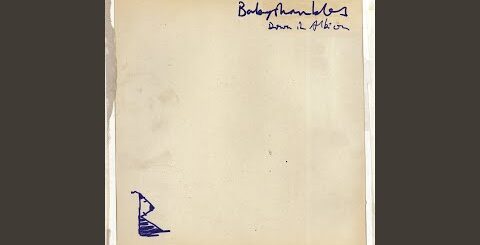
Carry On Up The Morning by Babyshambles Lyrics Meaning – A Deep Dive Into the Highs and Lows of Fame
Lyrics
The same place the fame goes straight to your head
Ah, its not easy getting it out my head
It wasn’t easy gettin’ outta bed
So much shame on the workman who blames his tools
Then so the saying goes so its said
The way you tease me, tease me outta my head
Ah, its not easy forgettin’ what you said
I know you used to be into me
Now you’ve got it in for me
In the morning where does all the pain go
The same place the fame goes straight to your head
It wasn’t easy gettin’ you outta my head
Ah, its to easy gettin’ out my head
Given up trying to explain I’ll just put it in a song instead
Ah, it’s not easy gettin’ outta bed
Ah, its too easy gettin’ outta my head
I know where to find, where to find you my love
At the same old place by the river, the only way in is
through the window, through the window
The poignant strains of Babyshambles’ ‘Carry On Up The Morning’ resound with a complexity that resonates well beyond the surface of its seemingly straightforward lyrics. A labyrinthine mix of longing and the ephemeral nature of fame, the song captures the zeitgeist of a generation grappling with the paradox of visibility and obscurity.
Dense with emotional weight, the track serves as a canvas for frontman Pete Doherty to paint a picture of conflict between the allure and the consequences of fame. But like any provocative piece of art, the song’s true essence might elude those unwilling to look closer. Here we peel back the layers of ‘Carry On Up The Morning’ to uncover the depth of its narrative.
Fame’s Fickle Friend: Pain or Pleasure?
At the song’s core is the juxtaposition of pain and pleasure—both attributed to the intoxicating effects of fame. ‘In the morning where does all the pain go/The same place the fame goes straight to your head,’ Doherty muses, forging a connection between the two. It’s a rumination on the cyclical nature of fame: as pain disappears with the high of recognition, it returns with the sobering realizations brought on by daybreak.
The relentless pursuit of fame is as addictive as it is destructive. The ‘straight to your head’ line is a double entendre, suggesting both the literal rush of fame and the metaphorical headache it brings. Babyshambles captures the duality of human desire—craving the thing that hurts us the most.
The Labor of Art: Blame Not the Tools
The introspection deepens with the acknowledgment of personal accountability. ‘So much shame on the workman who blames his tools/Then so the saying goes so its said’ spotlights the age-old excuse many artists use to justify their shortcomings. Doherty seems to criticize this tendency while simultaneously falling victim to it, imbuing the song with a self-aware, if not self-deprecating, tone.
In an industry where artists are often construed as mere ‘tools’ for producing hits, Babyshambles pushes back by highlighting the creative struggle. This line may also be a subtle nod to the pitfalls of substance abuse, a theme that often pervades Doherty’s work.
Unveiling the Song’s Hidden Heartache
Between the lines of pondering fame lies a more personal story—a discourse on a fractured relationship. ‘I know you used to be into me/Now you’ve got it in for me’ suggests a connection soured, a love turned bitter. Doherty isn’t just wrestling with the abstract concept of fame; he’s confronting the tangible aftermath of a personal fallout.
The repetition of ‘gettin’ outta my head’ recurs as a mantra throughout the track, symbolizing the artist’s struggle to move past a former lover’s memory, perhaps one more impactful than fame itself. The internal torment mirrors the external chaos of living in the limelight.
A Poetic Remedy to Exorcise Demons
The song is a therapeutic tool as much as it is an artistic one: ‘Given up trying to explain I’ll just put it in a song instead.’ Music becomes Doherty’s refuge, his method for articulation when words fail to suffice. It’s an introspective realization that sometimes melody can express what conversation cannot.
The line ‘put it in a song instead’ could also be a commentary on the commodification of personal turmoil in the music industry. Pain becomes a product, and the artist, a seller of sorrows repackaged as chart-toppers.
Memorable Lines Echo Lingering Afflictions
Certain lyrics lodge themselves in the listener’s psyche with the thorns of relatable struggles. ‘I know where to find, where to find you my love/At the same old place by the river, the only way in is through the window, through the window’ is such a line. It’s perhaps the most cryptic yet cutting imagery in the song, symbolizing the elusive nature of contentment—both in love and achievement.
The act of entering ‘through the window’ may suggest seeking love and fame unconventionally, without regard for societal norms. This evocative image cements the song’s broader themes of yearning and the complex routes we take to reclaim lost facets of our lives.