Category: Manic Street Preachers
Diving into the melancholic depths of ‘The Everlasting’ by Manic Street Preachers is like unraveling a tapestry of generational angst and existential dread. This poetic gem, etched into the annals of alternative rock, is a nuanced exploration of the dissonance between youthful optimism and the crushing weight of time.
Within the sonic textures and poetic resonance of the Manic Street Preachers’ seminal track ‘A Design for Life’ lies an intricate tapestry of class struggle, cultural identity, and existential contemplation. Released in 1996, the song swiftly ascended as an anthem of resilience and a manifesto for the marginalized, weaving through the fibers of British society with scalpel-like precision.
In the constellation of 90s rock anthems, Manic Street Preachers’ ‘Motorcycle Emptiness’ cruises through a distinctly vaporous landscape of cultural critique. The Welsh rockers, known for their blend of punk aggression and intellectual depth, penned a track that fuses the roar of disillusion with the hum of existential dread. This track is more than a mere song—it’s a treatise on the emptiness of contemporary life.
In the grand tapestry of music that weaves through the fabric of society, certain songs emerge as more than mere melodies and rhythms. They stand as beacons of historical consciousness, as rallying cries that remind us of our collective past and caution us about the shape of things to come. The Manic Street Preachers’ haunting anthem ‘If You Tolerate This Your Children Will Be Next’ is a profound example of this. A track that stretches the threads of history into the loom of modernity, it challenges listeners to question their complacency amid the echoes of fascism’s dark legacy.
The lyrics of “A Design for Life” aren’t the easiest to understand, and Nicky Wire’s terse explanation of it doesn’t really help matters that much. But what it seems this piece is premised on is a lack...
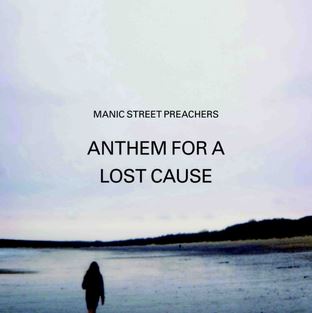
In “Anthem for a Lost Cause”, the writer questions if song lyrics are as important to people now as they were in the past. The narrator begins by reflecting on how certain songs contain...