Category: The Pussycat Dolls
In a whirl of infectious beats and luscious harmonies, The Pussycat Dolls’ ‘Hush Hush; Hush Hush,’ transforms from a plea for silence into a declaration of independence. Behind its catchy chorus and the veneer of pop production, the song encapsulates a story of personal growth, empowerment, and the resilience of a woman finding her own voice amidst the cacophony of a disintegrating relationship.
Immersed in the rhythmic embrace of The Pussycat Dolls’ sultry hit ‘Sway’, it’s easy to be swept away by the song’s seductive undertones and intoxicating beats. But beyond its surface appeal lies a tapestry of meaning, interweaving passion with a powerful message on the human connection and the intimate dance of relationships.
At the surface level, The Pussycat Dolls’ energetic track ‘Wait a Minute’ may appear as another catchy pop song designed to make bodies move on the dance floor. However, a closer examination reveals a nuanced exploration of self-assertion and the complexities of gender dynamics within modern relationships.
In a landscape brimming with ballads of love and heartache, The Pussycat Dolls’ ‘Hush Hush’ stands out as a rousing anthem of self-emancipation. The track oozes with the soul of empowerment, communicating a narrative of personal strength and the assertion of independence within the confines of a relationship that has run its course. Its pulsating beats and resonating lyrics offer more than just a melody to dance to; they are the echoes of liberation.
Take a step back into the mid-2000s, and the chances are high that you’ll find yourself amidst a rising tide of female empowerment anthems. Amongst the pantheon of such hits, The Pussycat Dolls’ ‘I Don’t Need a Man’ reverberates with assertive independence and self-assuredness. More than a catchy tune, this song symbolizes a generation’s uncompromising stance on personal autonomy and the rejection of societal pressures.
In the electro-pop churn of The Pussycat Dolls’ ‘React,’ there pulses a vivid portrayal of the complexities of desire and the need for emotional arousal. This track isn’t just a call to the dance floor; it’s a psychological exploration cloaked in catchy hooks and seductive dance beats. The Dolls aren’t just asking for attention – they’re demanding an emotional uprising.
At the heart of the early 2000s pop resurgence was a tune that combined the gloss of catchy hooks with the depth of steadfast loyalty. ‘Stickwitu’ by The Pussycat Dolls, a glossy pop ballad delivered with a velvety blend of harmonies and empowering declarations, articulated a sentiment of unwavering attachment that resonated deeply with audiences worldwide.
In a world awash with transient love and fleeting liaisons, The Pussycat Dolls’ ‘Stickwitu’ emerges as a defiant proclamation of lasting commitment. Equipped with lush harmonies and a heartwarming chorus, the hit track has left an indelible mark on the minds and playlists of fans around the globe.
The Pussycat Dolls’ ballad ‘I Hate This Part’ strikes a poignant chord with its raw emotional energy and lingers long after the last note fades. The song, an anthem of dissolution, captures the gut-wrenching realization that a relationship has withered into a ghost of affection, where the silence becomes louder than words.
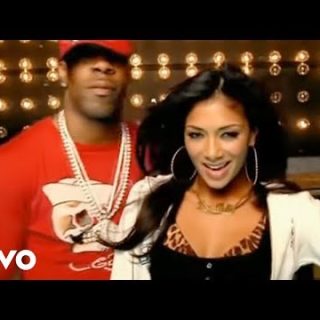
The Pussycat Dolls’ 2005 hit ‘Don’t Cha’ is more than just a catchy, sexually charged pop anthem. It’s a multifaceted exploration of human desire, temptation, and the complexities of romantic relationships. The track, featuring Busta Rhymes, combines seductive lyrics with a pulsating beat that has been making people dance and think for over a decade.