Category: The Sisters of Mercy
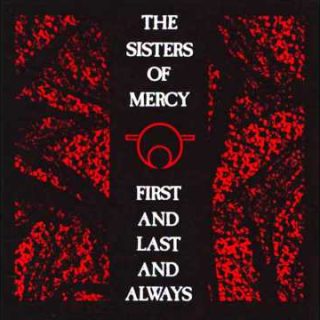
The Sisters of Mercy’s ‘Black Planet’ is not your typical earworm. The track, an eponymous masterpiece from their 1985 album ‘First and Last and Always’, resounds with gothic rock’s echo and the cold war’s shadow. The song encapsulates a period of anxiety, political turmoil, and environmental decay, transcending mere melodrama to become a haunting statement on human folly.
Few tracks have the power to resonate through the fabric of goth subculture while striking universal chords of raw emotion as The Sisters of Mercy’s ‘Temple of Love ’92’. As the duality of human experience — passion intertwined with sorrow — bleeds through the reverb-soaked guitar lines, the track exemplifies not only an era but an anthemic understanding of love’s complex temple.
In the slipstream of gothic rock, The Sisters of Mercy crafted a repertoire that often dwelled on the somber shades of the human experience. Their 1990 hit ‘More’ is a distinct memento of their legacy, an audacious anthem echoing the ceaseless yearning for, well, more. At face value, it seems like a plea for love – but the well of meaning runs much deeper.
Amidst the dark, poetic landscape of gothic rock, The Sisters of Mercy’s ‘No Time to Cry’ stands as a monumental track encapsulating the genre’s melancholic essence while espousing an undercurrent of resilience. This auditory pilgrimage through the shadows of the human psyche delivers more than just a somber tune; it begets an introspective journey, imploring listeners to confront and transcend the fragility of the human condition.
In the pantheon of gothic rock, The Sisters of Mercy hold a sacred place with their brooding melodies and darkly poetic lyrics. ‘Walk Away,’ a standout track from their early discography, encapsulates the essence of their somber allure. Frontman Andrew Eldritch’s deep vocal timbre weaves through the song, painting a landscape of emotional turmoil, lovers at crossroads, and the inexorable struggle with change.
In the pantheon of gothic rock anthems, The Sisters of Mercy’s ‘Lucretia My Reflection’ stands tall and unflinching, a spectral embodiment of Andrew Eldritch’s lyrical genius. Its gravity reaches beyond mere melody, harboring shadows of meaning within its deceptively simple chorus and verses.
When ‘This Corrosion’ by The Sisters of Mercy first echoed through the underground clubs and murky bars of the late ’80s, its arrival was like a rapturous thunderclap across the gothic landscape. Penned by lead singer Andrew Eldritch and produced by the legendary Jim Steinman, known for his grandiose approach with Meat Loaf and Bonnie Tyler, the song remains an enigmatic fixture that transcends the ephemeral nature of music trends.