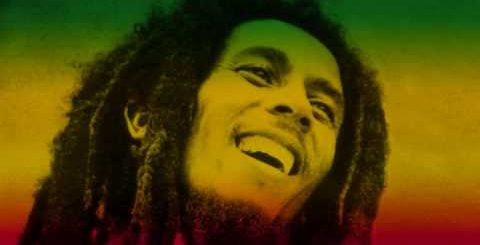
Concrete Jungle by Bob Marley Lyrics Meaning – Unraveling the Urban Struggle in a Classic Reggae Anthem
Lyrics
(No sun will shine)
The high yellow moon won’t come out to play
(Won’t come out to play)
Darkness has covered my light
(And the stage) and the stage my day into night
Now, where is this love to be found?
Won’t someone tell me ’cause life (sweet life)
Must be somewhere (sweet life) to be found (somewhere, somewhere for me)
Instead of a concrete jungle
Where the living is harder (in a concrete)
Concrete jungle (jungle)
Oh man, you’ve got to do your best, yeah
No chains around my feet but I’m not free
I know I am bound here in captivity
And I’ve never known happiness
And I’ve never known sweet caresses
Still, I be always laughing like a clown
Won’t someone help me ’cause I (sweet life)
I’ve got to pick myself (sweet life) from off the ground, yeah (somewhere, somewhere for me)
In this here concrete jungle (la la-la)
I say, what do you got for me, now?
Concrete jungle (la la-la)
Oh, why won’t you let me be, now? (concrete jungle)
I said that life (sweet life)
Must be somewhere (sweet life) to be found, yeah, yeah (somewhere, somewhere for me)
Instead of a concrete jungle (jungle)
Where the living is hardest (concrete jungle)
Concrete jungle (jungle)
Oh man, you’ve got to do your best, yeah (concrete jungle)
Concrete jungle (jungle)
You name it
In this concrete jungle
(Jungle, jungle)
Concrete jungle, you name it, we got it
Concrete jungle, now
(Jungle, jungle, now)
Tune into the harsh reality of city life as delivered by Bob Marley in ‘Concrete Jungle,’ a reggae harbinger vocalizing the plight of the urbanite. With its smooth, pulsating rhythm and poignant lyrics, the track narrates a story far beyond its deceptively lilting melody. Marley, ever the poet and prophet, masterfully weaves a tale that speaks volumes about pain, captivity, and the endless search for freedom and happiness.
More than just a song, ‘Concrete Jungle’ reverberates with the cries of the invisible chains that bind many who walk the bustling streets, a message as relevant today as it was when first sung. As we delve into its layered fabric, let’s uncover the meanings entrenched in the metaphors and melodies of this classic anthem.
Fading Light in the Metropolis: Understanding the Gloomy Overture
The song begins with a stark revelation – the absence of sunshine and moonlight. This metaphor sets an immediate tone of hopelessness and despair that permeates urban life in the ‘Concrete Jungle.’ It’s not just the physical light that’s missing; Marley talks about the light within, the beacon of hope that drives the human spirit. The overcast skies mirror the overshadowed lives of those who toil in the cityscape.
Yet, even in these dark overtures, Marley’s music thrums with an undercurrent of resilience—a reggae beat that defies the darkness, insisting on the possibility of a light yet unseen. The urban landscape, while stifling, is also the ground on which he stands and confronts life’s adversities.
Exploring the Irony of Freedom in a Land of Captivity
One of the song’s most compelling contradictions is expressed in the line, ‘No chains around my feet but I’m not free.’ Here, Marley articulates the irony of physical mobility without actual liberation. The urban environment, symbolized as the concrete jungle, is presented as a prison without bars, where inhabitants are subject to unseen forces of economic and social struggle.
This gripping contradiction serves as a clarion call, challenging the listener to question their own perceptions of freedom. In a world where our bounds are not as transparent as iron shackles, Marley’s lyrics push us to confront the invisible constraints that limit our experiences and our potential.
The Song’s Hidden Message: A Cry for Genuine Connection
Bob Marley repeatedly pleads, ‘Won’t someone help me?’ and queries, ‘Now, where is this love to be found?’ Such profound utterances signal a clandestine message—a yearning for belonging, community, and love in the midst of an unforgiving urban landscape. Marley’s ‘Concrete Jungle’ becomes a metaphor for the human condition, emphasizing our innate need for connection despite the often isolating city life.
The song is a mirror held up to society, prompting us to see beyond our personal struggles and witness the collective longing for camaraderie and understanding. The hidden meaning is a resounding plea for empathy and genuine human bonds amidst the hard edges of the man-made wilderness.
Defiance in Despair: The Song’s Iconic Mantra
Where Marley’s lyrics lay bare the hardships of urban life, his refrain, ‘Oh man, you’ve got to do your best, yeah,’ serves as an anthem of defiance. It’s a reminder of the resilience required to navigate the complexities of the concrete jungle. In these lyrics, there’s a powerful message of personal agency and perseverance, encouraging listeners to remain steadfast in the face of adversity.
Marley’s exhortation transcends time, becoming a rallying cry for each generation that encounters their own concrete jungles. It’s a call to arms to maintain hope and to continually strive for a life of both purpose and joy amidst systemic constraints.
Memorable Lines that Echo the Urban Soul
Caught between haunting and hopeful, Marley etches lines into the listener’s soul: ‘Instead of a concrete jungle / Where the living is harder.’ These words resonate with anyone who has felt the weight of city life—the relentless pace, the towering aspirations, and the sometimes insurmountable challenges.
Yet, as memorable as these lines are, they do more than paint a vivid picture of hardship; they encapsulate a universal struggle that finds echoes in cities across the globe. Marley’s Concrete Jungle unites us all in the shared understanding that amid the steel and stone, the human spirit persists, constantly seeking the light of better days.