Demonoid Phenomenon by Rob Zombie Lyrics Meaning – Unveiling the Menace Behind the Music
Lyrics
For What It’s Worth
Dead on Dreaming
You started screaming
The wizard of how
The king of the now
Cry like a banshee
And die like you want me
Violator
Desecrater
Turn around and meet the hater
Violator
Desecrater
Turn around and
Demonoid Phenomenon
Get it out
Get it on
Demonoid Phenomenon
Get it out
Get it on
The conquering worm
The slithering germ
Lost in black sleep
I see how the gods weep
The horror of Madness
The Terminal Sadness
The cool air of mourning
Gave me the warning
Violator
Desecrater
Turn around and meet the hater
Violator
Desecrater
Turn around and
Demonoid Phenomenon
Get it out
Get it on
Demonoid Phenomenon
Get it out
Get it on
Violator
Desecrater
Turn around and meet the hater
Violator
Desecrater
Turn around and
Demonoid Phenomenon
Get it out
Get it on
Demonoid Phenomenon
Get it out
Get it on
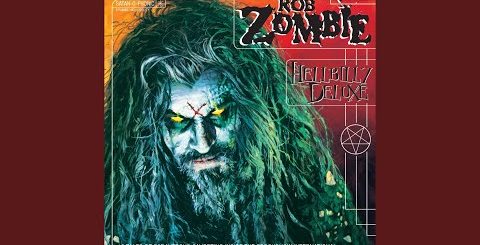
Rob Zombie’s ‘Demonoid Phenomenon’ from his debut solo album, Hellbilly Deluxe, burst onto the scene in 1998 with a ferocious blend of heavy metal and industrial sounds. With its aggressive beats and Zombie’s snarling vocals, the song left an indelible mark on the music industry and on the fans who craved the darker side of rock.
Yet, the lyrical depth of ‘Demonoid Phenomenon’ often goes unexplored in favor of headbanging to its infectious riffs. What lies beneath could be an articulate exploration of society’s underbelly, mental anguish, and the supernatural — or it might simply serve as an anthem for chaos. Here we dissect the layers hidden within this monstrous track.
Unearthing the Roots: Inspirations Behind the Chaos
Rob Zombie has never been a stranger to blending horror imagery with hard-hitting rock music. ‘Demonoid Phenomenon’ serves as no exception, weaving a dense tapestry of themes ranging from horror movie tropes to societal critiques. The title itself, a concoction of demonic and android, insinuates a hellish, uncontrollable force blended with artificiality — a commentary on modern society’s obsession with technology and the lack of control humanity seems to have over its creations.
The song’s relentless pace mirrors the perpetual motion of a society hell-bent on self-destruction. In his trademark manner, Zombie’s music pulls the listener into a frenzied, cinematic universe that feels both fantastical and eerily reflective of real-world chaos.
Lyrical Labyrinth: Decoding the Metaphoric Menace
‘Demonoid Phenomenon’ encapsulates Zombie’s fascination with the dark and the occult. Phrases like ‘hell on Earth’, ‘dead on dreaming’, and ‘the horror of madness’ are not merely for show — they illustrate an internal and external battleground, with mental struggles personified by monstrous elements. The ‘conquering worm’ and ‘slithering germ’ could symbolize the inescapable decay of both mind and society, an invisible enemy gnawing away at the foundations of sanity and order.
Then, there’s ‘the wizard of how’ and ‘the king of the now,’ perhaps representations of the figures that signify the ruling knowledge and the immediacy of culture — both of which scream out as a banshee in the night, signaling doom.
The Vicious Cycle: ‘Violator’ and ‘Desecrater’ Explored
The repetitive invocation of the ‘Violator’ and ‘Desecrater’ in the chorus is not only catchy but signifies a cyclical force of destruction. To meet the ‘hater’ could imply confrontation with the inner demons or the external critics that feed into the cycle of hate and angst present in society. The personification of these ideas suggests a constant state of opposition and turmoil, where individuals and cultures perpetually tear each other apart.
Zombie employs classic horror punk themes to weave a narrative that transcends visceral aggression; it layers a commentary on the destructiveness inherent in human nature and amplified by modern societal pressures.
A Mosaic of Mayhem: The Song’s Hidden Meaning
Peering beyond the veneer of a metal anthem, ‘Demonoid Phenomenon’ could be seen as a metaphorical crucible for the tumultuous end of the 20th century. The ‘demonoid’ reflects not only technological dread but also the apocalyptic fears and existential anxieties that were pervasive as the new millennium loomed.
Zombie tackles these apocalyptic anxieties through the robustness of his music, meticulously crafting a soundscape that manipulates fear and pandemonium into a clarion call of vigilance and, perhaps, revelation. In the grip of the ‘terminal sadness’ and ‘cool air of mourning,’ there comes a warning — a dark foresight into what is to come if this ‘phenomenon’ isn’t recognized and reckoned with.
Memorable Lines that Entrench and Echo
‘Cry like a banshee / And die like you want me’ — the raw power of these lines does not sheerly lie in their macabre vividness but in their visceral representation of sacrifice and acceptance. The banshee’s cry, typically a symbol of impending death, is coupled with a provocation to embrace one’s end, possibly suggesting a twisted form of liberation from the world’s madness.
These lines resonant with fans not only for their gothic tone but also because they embody the chant of a generation wrestling with self-destruction and longing for a moment of freedom, no matter how fleeting or devastating. Rob Zombie masterfully merges an ode for the outsiders with the battle cry of those defiant enough to face the darkness head-on.