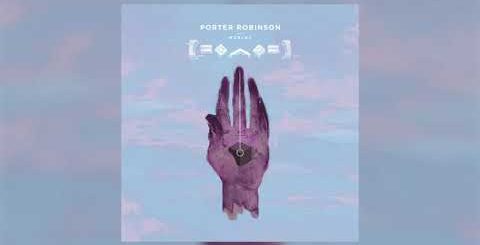
Divinity by Porter Robinson Lyrics Meaning – Unraveling the Euphoric Tapestry of Human Connection
Lyrics
Never felt alive
Call the chants inside
(We will wait for this, we will wait for this)
Lean into my side
Never felt alive
Call the chants inside
(We will wait for this, we will wait for this)
Lean into my side
Never felt alive
Call the chants inside
We will wait for this
We will wait for this
We will wait for this
We will
Lean into my side
Never felt alive
Call the chants inside
(We will wait for this, we will wait for this)
Lean into my side
Never felt alive
We will wait for this
We will wait for this
We will wait for this
We will wait for this
Lean into my side
Never felt alive
Call the chants inside
Lean into my side
Never felt alive
Call the chants inside
You see right through me
In a world where music transcends the mere combination of sounds, there exists a track that delves deep into the essence of our human experience – ‘Divinity’ by Porter Robinson. Unraveling its intricate lyrics invites listeners into a spiritual odyssey, rife with introspective inquiry and the eternal quest for understanding our place within the cosmos.
‘Divinity’ isn’t just an auditory experience; it’s a catalytic conduit for personal transformation. With its melodic electronica and poignant lyrics, the journey with Porter Robinson flirts with the metaphysical, turning every listen into a search for the sublime within the mundanity of our existence. What follows is a quest to unpack the layers of meaning enshrouded within the transcendent verses of ‘Divinity.’
The Siren Call of Connection: ‘Lean into My Side’
The recurring phrase ‘lean into my side’ isn’t a simple call for physical closeness; it’s an invocation of deep, spiritual connection that transcends the bounds of the material world. It’s an inviting gesture towards intimacy and vulnerability, encapsulated not just in the words but in the cascading harmonies that envelop the listener, urging them to let go of solitude and embrace the collective rhythm of existence.
In these five simple words, Porter Robinson encapsulates the paradox of human life: the simultaneous need for individuality and the innate desire to be part of something greater. Each utterance of the phrase in ‘Divinity’ becomes more profound, a meditative mantra signifying the joining of souls in a world that often celebrates isolation as strength.
Finding Aliveness in the Anthem: ‘Never Felt Alive’
The admission of ‘never felt alive’ starkly contrasts with the vibrant, energetic backdrop of the song, presenting an existential paradox. It’s an acknowledgement of the emptiness that can pervade life, an emptiness that is all too common in the age of hyper-connectivity and social media facades. Yet, ‘Divinity’ doesn’t dwell on despair; instead, it uses this void as a starting point for rejuvenation.
The meaning here is dualistic: Now that we have recognized our numbness, how do we transcend it? Through the ‘chants inside,’ a metaphor for the inner voice or perhaps the call of the universe, Robinson suggests we are capable of awakening to a life imbued with purpose and vibrancy – if only we dare to listen.
The Chorus of Patience: ‘We Will Wait for This’
Amid the instant gratification of modern life, ‘we will wait for this’ feels almost revolutionary. Robinson isn’t seeking immediate answers or quick fixes. There’s a patient affirmation at the core of this line, a solemn vow to endure the waiting necessary for revelation, transformation, or perhaps even salvation. It’s a testament to the power of persistence and faith in the unseen.
The song uses repetition not just as a musical device but as a means to instill the certainty that whatever we are striving for – be it love, enlightenment, or inner peace – is worth the wait. The anticipation builds with each refrain, creating a charged atmosphere of hope and expectancy.
The Hidden Meaning: A Sentient Exploration through Sound
Beyond the overt message conveyed by the lyrics, ‘Divinity’ harnesses the abstract nature of music to convey the ineffable. The oscillating synths and dynamic drops create a sonic landscape that mimics the highs and lows of the spiritual journey. Here, the true meaning of the song lies within its ability to evoke emotion and trigger introspection without a reliance on a surplus of words.
In this landscape, the ‘chants inside’ might represent the intrinsic music of the soul, a call to awaken our dormant spirits. The backdrop of ‘Divinity’ becomes the canvas upon which our own interpretations and emotional responses paint an ever-shifting tableau of meaning. It’s a reminder that music, like divinity itself, isn’t confined to the literal but exists in the spaces between.
Through the Looking Glass: ‘You See Right Through Me’
As a terminus to this musical voyage, ‘You see right through me’ conveys an ultimate stripping away of facade, a moment when the true self is laid bare, beheld without pretense. In the mirror of ‘Divinity,’ we are forced to confront who we are at our core, beyond the masks we wear. It’s a deeply vulnerable acknowledgment of our intrinsic transparency to the forces greater than ourselves.
With this confession, Robinson wraps a singular narrative of divinity – the search for higher truth and the desire for meaningful connection. Through the open window of this line, listeners are invited to look within themselves and recognize the familiar longing for authenticity and recognition that drives much of the human condition. ‘Divinity’ thus becomes more than a song; it’s a guidepost on the journey toward self-revelation.