Down On The Corner by Creedence Clearwater Revival Lyrics Meaning – A Dive into Americana’s Joyful Roots
Lyrics
Over by the courthouse they’re starting to unwind
Four kids on the corner tryin’ to bring you up
Willy picks a tune out and he blows it on the harp
Down on the corner
Out in the street
Willy and the Poor Boys are playin’
Bring a nickel, tap your feet
Rooster hits the washboard and people just got to smile
Blinky thumps the gut bass and solos for a while
Poor Boy twangs the rhythm out on his kalamazoo
And Willy goes into a dance and doubles on kazoo
Down on the corner
Out in the street
Willy and the Poor Boys are playin’
Bring a nickel, tap your feet
Down on the corner
Out in the street
Willy and the Poor Boys are playin’
Bring a nickel, tap your feet
You don’t need a penny just to hang around
But if you’ve got a nickel, won’t you lay your money down?
Over on the corner there’s a happy noise
People come from all around to watch the magic boy
Down on the corner
Out in the street
Willy and the Poor Boys are playin’
Bring a nickel, tap your feet
Down on the corner
Out in the street
Willy and the Poor Boys are playin’
Bring a nickel, tap your feet
Down on the corner
Out in the street
Willy and the Poor Boys are playin’
Bring a nickel, tap your feet
Down on the corner
Out in the street
Willy and the Poor Boys are playin’
Bring a nickel, tap your feet
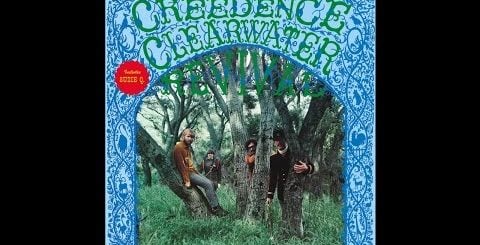
Creedence Clearwater Revival’s infectious hit ‘Down On The Corner’ resonates as a timeless anthem that captures the spirit of street music and the unifying power of a communal jam session. The song, released in 1969 on the album ‘Willy and the Poor Boys,’ remains an embodiment of the joyfulness and simplicity of making music accessible to everyone.
With its upbeat rhythm and catchy chorus, the track not only stands as a classic from CCR’s renowned discography but also serves as a case study in the sociology of music and its significance in the American cultural landscape. ‘Down On The Corner’ takes listeners on a visual and auditory stroll through an era that marked the proliferation of street culture and music as instruments of connection and celebration.
The Universal Street Corner Symphony
The vivid imagery of a band playing at the ‘supper time’ bustle near a courthouse speaks volumes of a time when music was an almost inextricable part of public life. Frontman John Fogerty’s lyrics paint a picture of everyday people finding solace and entertainment in the mere act of a street-corner performance.
CCR’s depiction of this modest concert crafts a universal symbol of musical camaraderie, highlighting the accessibility of the arts and the democratic way that street performances can cut through social barriers to bring joy to anyone willing to stop and listen.
Jubilant Characters and the Community’s Heartbeat
‘Willy and the Poor Boys,’ the fictional band within the song, serve as avatars for every grassroots musician. With Willy on the harp, Rooster on the washboard, Blinky on the gut bass, and Poor Boy on the kalamazoo, these characters encapsulate the raw, organic nature of music born on the streets, untouched by commercialism.
The eclectic mix of instruments underscores a narrative of simplicity and innovation—a testament to the improvisational quality of music that arises from passion rather than formal training. These elements converge to produce more than just music; they create an audible pulse for the community gathered around them.
Unveiling the Song’s Hidden Meaning
While ‘Down On The Corner’ can be enjoyed as a straightforward celebration of street performance, there’s an underlying commentary that resonates deeper. In a country embroiled in the complexities of the Vietnam War and social upheaval, CCR offers a slice of escapism and a return to innocence through their songs.
The tune is an ode not only to the simplicity of making music anywhere and everywhere but also a symbol of resistance—a cheerful rebellion against the confines of the recording studio and a commercial industry increasingly disconnected from the listener’s experience.
Iconic Lines That Ring Through Generations
In an enduring chorus, Fogerty sings, ‘Down on the corner, out in the street, Willy and the Poor Boys are playin’, Bring a nickel, tap your feet.’ These memorable lines epitomize the accessibility and infectious nature of the song’s spirit.
The notion that one only needs to contribute ‘a nickel’ to be a part of this collective experience underscores the idea that joy and art aren’t commodities for sale but communal treasures to be shared generously with all.
The Legacy and Timelessness of Willy and the Poor Boys
The song’s embrace by various generations since its debut speaks volumes of its continuing relevance. CCR captured not just a moment but an ethos that has permeated American culture, creating a legacy that artists and fans alike return to when they wish to recapture the essence of music at its most fundamental level.
‘Down On The Corner’ remains not just a track from the tail end of the 60s, but a cultural waypoint that reminds us of the power of simple tunes to bring together diverse groups and celebrate the communal magic that music conjures on any given corner, anywhere in the world.