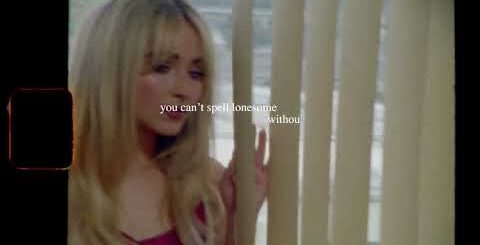
Emails I Can’t Send by Sabrina Carpenter Lyrics Meaning – Unraveling the Tapestry of Emotional Turmoil
Lyrics
So I could see what you did October thirteenth
At 10:15, were you really asleep?
Were you lying to me and the family?
There’s no us in us when I’m lacking trust
You wanna discuss, ugh
You disgust me
Don’t make me cuss you out
Why’d you let me down?
Don’t say sorry now
And thanks to you I, I can’t love right
I get nice guys and villainize them
Read their texts like they’re having sex right now
Scared I’ll find out that it’s true
And if I do, then I blame you for
Every worst that I assume
When I’m forty-five, someone calls me their wife
And he fucks our lives in one selfish night
Don’t think I’ll find forgiveness as fast as mom did
And, God, I love you, but you’re such a dipshit
Please fucking fix this
‘Cause you were all I looked up to
Now I can’t even look at you
(You do)
I mean, as they say in Chicago
“He had it coming”
In the landscape of modern pop, a confessional song can sometimes cut through the noise like a personal letter that’s found its way into the hands of a stranger. ‘Emails I Can’t Send’ by Sabrina Carpenter is one such intimate missive, inviting us to decode the layers of pain and betrayal within its verses. Carpenter, with her poignant lyricism, prompts a reflection on the complexities of personal relationships and the ripple effects of trust broken.
As one delves into the song, the ’emails’ become metaphors for unsent feelings and unspoken truths. This track is Carpenter’s cathartic release, woven with the threads of vulnerability, regret, and a quest for closure. It’s an exploration of the emotional aftermath when the pillars of trust crumble, albeit with a pop sensibility that knows how to mold hurt into a harmony that resonates.
Peering into the Heartbreak Archive
The zeitgeist of ‘Emails I Can’t Send’ serves as an archive of heartbreak, a collection of the unsaid that often burdens the soul. Carpenter doesn’t merely pen lyrics; she exhumes the remnants of a past relationship, questioning the sincerity of a moment long gone. October 13th isn’t just a date; it’s a timestamped scar, encouraging listeners to inspect their own wounds and the lies that might have salted them.
This sense of betrayal transforms into a universal interrogation, prompting listeners to revisit their own history of mistrust. As Sabrina Carpenter delves into her personal narrative, she inadvertently becomes the voice for many — questioning, agonizing, and seeking the elusive truth behind a lover’s facade.
The Spiral of Distrust – When Love Meets Skepticism
Carpenter’s ballad is as much a narrative on personal grievance as it is a study on the descent into distrust. Phrases like ‘there’s no us in us when I’m lacking trust’ epitomize the emotional chasm that suspicion can carve between loved ones. The song emerges as a cautionary tale of how once the seed of doubt is sown, its roots can unwaveringly entangle the heart.
The artist’s articulation of her grappling with the notions of infidelity is piercing. It lays bare the psychological turbulence that accompanies shattered trust, casting long shadows over future relations, where the innocent are cast as villains through the tainted lens of past experiences.
The Emotional Alchemy of Turning Pain into Poetry
Sabrina Carpenter showcases a profound emotional alchemy in ‘Emails I Can’t Send,’ where she turns profound pain into stirring poetry. The rawness of lines like ‘God, I love you, but you’re such a dipshit’ takes listeners aback with its paradoxical blend of endearment and contempt, revealing the tangled mess of emotions that we often try to untwist in our minds.
It’s within this honest, almost brutal introspection that Carpenter’s songwriting shines, holding up a mirror to the complexity of love and its discontents. These are the verses where listeners pause, replay, and find fragments of their own emotional jigsaw puzzles.
The Hidden Meaning: Familial Fissures and Personal Growth
Yet, beneath the surface narrative of a lover scorned lies a deeper, more poignant layer of ‘Emails I Can’t Send.’ This is not merely the anatomy of a romantic falling-out but of a daughter’s disillusionment with a paternal figure. Lines like ‘you were all I looked up to, now I can’t even look at you’ indicate a more profound severing of ties, a reckoning with familial betrayal.
In navigating through her disappointment, Carpenter’s song morphs into a bittersweet rite of passage—a relinquishing of childhood idols and an assertion of self beyond the shadows of parental pedestals. The tacit missives that Carpenter references in her title are thus, perhaps, the silent milestones marking her journey from the haven of idolization to the starkness of realization.
Memorable Lines that Echo in the Chamber of Listeners’ Hearts
Within the mosaic of ‘Emails I Can’t Send,’ certain lines stick with an adhesive quality to the psyche of its audience. ‘When I’m forty-five, someone calls me their wife, And he fucks our lives in one selfish night’ not only narrative drive but also extends the lifespan of its impact by inscribing fears for the future in the etchings of past pain.
Carpenter manages to transcend the specifics of her narrative, speaking to a broader human experience. It is in these moments that the song solidifies its hold on the listener, binding their heartstrings to a shared rhythm of loss, love, and the eternal human quest for healing.