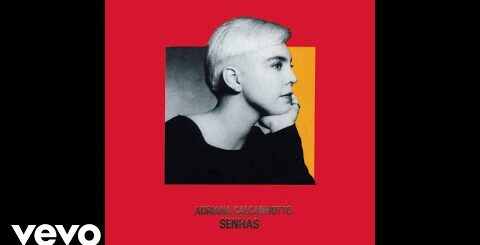
Esquadros by Adriana Calcanhotto Lyrics Meaning – Unveiling the Chromatic Tapestry of Human Emotion and Connection
Lyrics
Em cores que eu não sei o nome
Cores de Almodóvar
Cores de Frida Kahlo, cores
Passeio pelo escuro
Eu presto muita atenção no que meu irmão ouve
E como uma segunda pele, um calo, uma casca
Uma cápsula protetora
Ah, eu quero chegar antes
Pra sinalizar o estar de cada coisa
Filtrar seus graus
Eu ando pelo mundo divertindo gente
Chorando ao telefone
E vendo doer a fome nos meninos que têm fome
Pela janela do quarto
Pela janela do carro
Pela tela, pela janela
Quem é ela? Quem é ela?
Eu vejo tudo enquadrado
Remoto controle
Eu ando pelo mundo
E os automóveis correm para quê?
As crianças correm para onde?
Transito entre dois lados, de um lado
Eu gosto de opostos
Exponho meu modo, me mostro
Eu canto para quem?
Pela janela do quarto
Pela janela do carro
Pela tela, pela janela
Quem é ela? Quem é ela?
Eu vejo tudo enquadrado
Remoto controle
Eu ando pelo mundo e meus amigos, cadê?
Minha alegria, meu cansaço
Meu amor, cadê você?
Eu acordei
Não tem ninguém ao lado
Pela janela do quarto
Pela janela do carro
Pela tela, pela janela
Quem é ela? Quem é ela?
Eu vejo tudo enquadrado
Remoto controle
Eu ando pelo mundo e meus amigos, cadê?
Minha alegria, meu cansaço
Meu amor, cadê você?
Eu acordei
Não tem ninguém ao lado
Pela janela do quarto
Pela janela do carro
Pela tela, pela janela
Quem é ela? Quem é ela?
Eu vejo tudo enquadrado
Remoto controle, ah ah
In the world of music where artistry intertwines with the human experience, Adriana Calcanhotto’s ‘Esquadros’ emerges as a profound narrative of introspection and observation. The Brazilian singer-songwriter, known for her poetic finesse and melodic elegance, weaves a tapestry as colorful as the hues she invokes in her lyrics—a patchwork that captures both the universal and the intimate.
With a complexity that belies its apparent simplicity, ‘Esquadros’ is more than a melody; it is a journey through the prismatic lens of Calcanhotto’s consciousness. The song serves as an open invitation to the listener to dive beneath its surface, exploring the muted depths of solitude and the vibrant flashes of life’s fugacious moments.
A Palette Beyond Perception: The Almodóvar-Hued Verses
Calcanhotto’s opening verse alights on the auditory canvas with vibrant splashes reminiscent of Almodóvar’s cinematic universe, suggesting not only a visual feast akin to the director’s work but also the vibrant, emotional landscapes they portray. The mention of Frida Kahlo furthers this dialogue with color, connecting the listener to the visceral and the vividly raw expressions of life—both Almodóvar and Kahlo being maestros of beautifully tortured aesthetics.
It’s this fearless engagement with color and form that primes the audience for the song’s exploration of what it means to truly see the world—to recognize the unnamed shades of our daily experiences and situate them within the spectrums of art and emotion.
In Framed Isolation: The Motif of Remote Viewing
The recurring words ‘pela janela’ (‘through the window’) act as a powerful metaphor for distance and disconnection. The artist positions herself as an observer, detached and remote, framed by the ‘windows’ of various aspects of life. Whether it’s her room, a car, or the metaphorical screen, Calcanhotto grapples with a sense of isolation amid a world brimming with life—a remote control existence where engagement is just out of reach.
This refrain asks us to reflect on our own onlooker tendencies, our voyeuristic engagements with a world we often glide through rather than fully inhabit. It suggests a society increasingly enamored with images and screens, structured yet constrained by the invisible esquadros—or frames—that shape our perspectives.
The Duality Dilemma: Embracing Opposites in a Divided Reality
Throughout ‘Esquadros,’ Calcanhotto evokes a sense of duality—the desire to understand and experience opposites, to ‘transit between two sides.’ This yearning to embrace multiple facets of existence implies a richness but also conveys the inherent conflict and confusion of belonging to neither side fully.
The listener is left to ponder this dichotomy as a fundamental human condition: the quest for balance within a world that is inherently imbalanced. How does one find harmony in discord, clarity in paradox? Calcanhotto’s musings resonate with this universal quest for self-discovery through the embracing of life’s contradictions.
Unsung Anthems for the Disconnected: Calcanhotto’s Cry for Community
A haunting inquiry punctuates the song’s narrative: ‘Eu ando pelo mundo e meus amigos, cadê?’ (‘I walk through the world, and where are my friends?’). Here Calcanhotto confesses to a feeling of abandonment, a stark evocation of personal loss in the midst of global cacophony. Her words resonate with the soul’s yearning for companionship and the ache of its absence.
The lyrics veer between the individual and the collective, probing the singer’s personal experiences while invoking the universal theme of searching for what is missing—friends, joy, love, repose. In doing so, Adriana Calcanhotto delves into the heart of human experience, touching upon an elemental desire for connection in an increasingly disconnected world.
Iconic Lyrical Images: The Song’s Stitchwork of Memorable Lines
‘Chorando ao telefone / E vendo doer a fome nos meninos que têm fome.’ With its soul-stirring imagery, Calcanhotto goes beyond introspective musings and casts a spotlight on the palpable, often painful, realities that suffuse our existence. These verses serve as a stark reminder of the contrast between personal sorrows and the graver sorrows that plague our societies.
‘Eu vejo tudo enquadrado / Remoto controle.’ The artist uses these phrases to render a portrait of life that is at once contained and uncontrollable. It is through these etched lines that Calcanhotto’s songwriting prowess turns the seemingly mundane into profound philosophical query. Each word and each frame transport us into a space where poetry becomes the lens through which we view and critique our lives.