Eu Sei by Legião Urbana Lyrics Meaning – Unraveling the Depth in Brazilian Rock Balladry
Lyrics
Palavras são erros, e os erros são seus
Não quero lembrar que eu erro também
Um dia pretendo tentar descobrir
Porque é mais forte quem sabe mentir
Não quero lembrar que eu minto também
Eu sei
Eu sei
Feche a porta do seu quarto
Porque se toca o telefone pode ser alguém
Com quem você quer falar
Por horas e horas e horas
A noite acabou, talvez tenhamos que fugir sem você
Mas não, não vá agora, quero honras e promessas
Lembranças e histórias
Somos pássaro novo longe do ninho
Eu sei
Eu sei
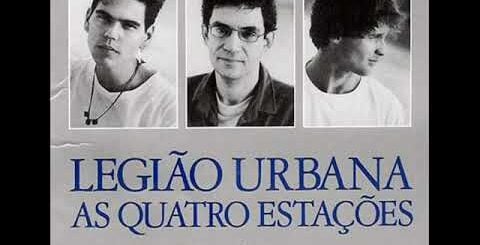
Delving into the profound and haunting ballad ‘Eu Sei’ by the legendary Brazilian rock band Legião Urbana, one cannot help but be enveloped by the song’s emotional and enigmatic core. Released as part of their widely acclaimed album ‘Dois’ in 1986, this song continues to resonate with fans and music enthusiasts for its introspective lyricism and resonant melody.
Written by lead singer and songwriter Renato Russo, ‘Eu Sei’ offers a layered juxtaposition of introspection and external perception, wrapping its seemingly simple lines in a cocoon of deep significance. As we navigate through the veil of metaphors and the raw honesty of Russo’s lyrics, we unravel a song that addresses the intricate dance between truth, deception, self-awareness, and the longing for connection.
Verbal Vices: The Semantics of Human Error
The opening lines ‘Sexo verbal não faz meu estilo’ immediately toss the listener into a whirlwind of introspection. Russo fronts a bold declaration against verbal insincerity, drawing a parallel between the superficiality of words and the intimacies of physical connection. Words, after all, are human constructs, prone to failure and mistaken intentions.
When he sings ‘Palavras são erros, e os erros são seus’ the blame is attributed to the other, but there’s an underlying self-realization when he accepts, ‘Não quero lembrar que eu erro também.’ It’s a powerful admittance of personal fallibility within the context of a greater reflection on the human condition.
The Dark Waltz of Deception and Self-Deceit
In a chilling admission, ‘Porque é mais forte quem sabe mentir, Não quero lembrar que eu minto também,’ Russo touches on a morbid truth about societal dynamics. The potency of a lie and its bearer is weighed against the vulnerability of honesty. There’s something formidable about falsehood—the way it can protect and harm in equal measure.
Russo’s candidness in revealing his own complicity in this dance of deception peels back layers of the song’s hidden meaning. To acknowledge that we are all, in some capacity, weavers of our reality, is an insight that binds the listener to the artist in a shared human experience.
Calling on Isolation: The Solace of Solitude in ‘Eu Sei’
As the narrative unfolds, ‘Feche a porta do seu quarto,’ we’re ushered inside the intimate space of a room—a sanctuary from the noise. The ring of a telephone becomes symbolic—a trigger that can bring joy or pain, dependent on who is on the other end.
Thus, the verse implies a choice to engage or disconnect, reflecting the broader themes of human interaction, the cost of vulnerability, and the paradoxical comfort found in isolation from potential heartache.
Fleeting Nights and Broken Promises: The Residue of Intimacy
When Russo sings, ‘A noite acabou, talvez tenhamos que fugir sem você,’ it evokes the transient nature of our deepest connections. There is a sense of urgency, escape, and the unavoidable end that comes with the breaking dawn. It is the emotional residue left behind—a mixture of memory, longing, and the bitter sweetness of bonds that may not last.
Russo’s call for ‘honras e promessas’ juxtaposed with ‘lembraças e histórias’ further compounds this fragility. The listener is caught in the nostalgia of what was, the preciousness of what is, and the hollow hope for what could be.
Songs of a New Bird: Freedom and The Journey Beyond
‘Somos pássaro novo longe do ninho’—in these closing words, Russo encapsulates an entire journey beyond the protective shell of the familiar. The song becomes an anthem for growth and the bittersweet embrace of the unknown.
The repeated refrain ‘Eu sei’ echoes both an affirmation of self-awareness and a haunting acceptance. Russo knows the multilayered nuances of human relationships, the inevitability of pain, and the strength that comes from recognizing the raw truths of existence.