False Advertising by Bright Eyes Lyrics Meaning – Dissecting the Layers of Authenticity and Disillusion
Lyrics
On a string
On a string, I was held
The way I move, can you tell?
My actions are orchestrated from above
And so I swing, and I sway
Wave my hand, kick my leg
And it’s always right with the music
(‘Til all that swaying starts to make you sick)
For a song, I was bought
Now I lie when I talk
With a careful eye on the cue cards
Onto a stage, I was pushed
With my sorrow well-rehearsed
So, give me all your pity and your money now
All of it
(We used to think the sound was something good)
But if I could act like this was my real life
And not some cage where I’ve been placed
Well, then I could tell you
The truth like I used to
And not be afraid of sounding fake
Now all anyone’s listening for are the mistakes
(Oh, I’m sorry)
No, it’s okay, it’s okay
One, two, three, one, two, three
In a house, by myself
I hear the ice start to melt
And I watch the rooftops weep for the sunlight
And I know what must change
Fuck my face, fuck my name
They are brief and false advertisements
For a soul, I don’t have
Something true I have lacked
And spent my whole life trying to make up for
But I found, in a song
And in the people I love
They will lift me up out of darkness
And now my door, it stands open
I’m inviting everyone in
We’re gonna laugh, we’re gonna drink until the morning comes
That’s what we’re gonna do
Come on, come on
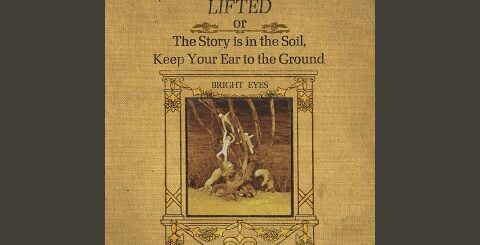
In the tapestry of modern folk music, Bright Eyes has emerged as a weaver of intricate narratives, often stitching the raw fibers of human emotion into melodious reflections. ‘False Advertising,’ a track from their album ‘Lifted or The Story Is in the Soil, Keep Your Ear to the Ground,’ is a profound examination of performance and authenticity, presented through evocative lyrics that inspire deep introspection.
This piece serves as both an elegy and a critique, resonating with themes of deception, self-awareness, and the quest for truth. Conor Oberst, the band’s frontman and chief lyricist, lays bare his soul, holding a mirror to the facades we construct and the illusions we chase. Let’s peel back the layers of ‘False Advertising’ to uncover the song’s resonant meaning and unravel its complex emotions.
The Puppetry of Existence
Oberst begins ‘False Advertising’ with an almost visceral admission of being controlled, a marionette on societal strings. ‘On a string I was held. The way that I move, can you tell?’ poetically sets the stage for a confessional about manipulation and the superficial nature of performance. The inclusion of physical expressions as orchestrated events demonstrates the weight of external expectations in shaping one’s identity.
This play on movement and music harkens to the duality faced by artists and individuals alike: the pressure to perform harmoniously with the scripts handed down to them. Yet, the acknowledgment of ensuing nausea from constant swinging ‘until all that swinging starts to make you sick’ speaks volumes about the internal conflict and desire for a stasis of authenticity.
Cue Cards and Rehearsed Sorrows
Oberst’s narrative progresses into the business of commodified emotions, where artists are ‘bought’ and personal truths are substituted with pretense, ‘Now I lie when I talk with a careful eye on the cue card.’ This line delves deep into the coping mechanisms on display when a performer’s authenticity is traded for scripted sorrow, begging the audience’s pity and patronage.
Additionally, the lyric ‘onto a stage, I was pushed with my sorrow well rehearsed’ suggests a reluctant submission to the roles and frameworks created by societal norms. The idea that authenticity in sound and emotion was once earnest, ‘We used to think that sound was something pure,’ conveys a nostalgia for a time before he became cognizant of his own participation in falsehood.
Unveiling the Hidden Truth of Performance
At the crux of the song is Oberst’s desire to reconcile with his authentic self, a self that isn’t shackled by appearances. He yearns to escape the ‘cage’ of falsified existence but is painfully aware of the scrutiny, knowing that ‘all that anyone is listening for are the mistakes.’
This line unveils a hidden truth: the audience’s perverse pleasure in unearthing flaws within the polished veneer. It reveals a paradoxical yearning for authenticity in an age that is simultaneously unforgiving of the imperfect realities beneath the surface.
Cathartic Rejection and Self-Reclamation
A moment of catharsis arrives with the declaration ‘Fuck my face. Fuck my name.’ Oberst outrightly denounces the superficial tokens of identity that the world uses to define and judge him. It suggests a liberation from the confined identity crafted by societal pressures in favor of seeking what he truly lacks—a soul untethered by constructs.
He finds solace in the ‘song and in the people I love,’ indicating a return to the roots that offer genuine upliftment. It’s a stark reminder of the places and connections that help reclaim the darkness that overtook the light of the intrinsic self.
Memorable Lines That Echo The Quest for Rebirth
Towards the song’s closure, the ice melts, and the rooftops ‘weep for the sunlight,’ metaphorically suggesting a thawing of the facade and a return to warmth and light. It is a poetic acceptance of change and an invitation to transparency, ‘Now my door stands open. I am inviting everyone in.’
This inclusive vision reflects a readiness to share genuine experiences, acknowledging both the pain and joy that come with them. ‘We will laugh until the morning comes,’ is not just a plan for revelry but a mission statement for a reborn life lived unabashedly in truth’s light.