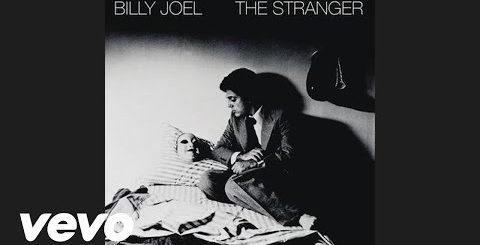
Goodnight Saigon by Billy Joel Lyrics Meaning – Unraveling the Haunting Echoes of the Vietnam War
Lyrics
On Parris Island
We left as inmates
From an asylum
And we were sharp
As sharp as knives
And we were so gung ho to lay down our lives
We came in spastic
Like tameless horses
We left in plastic
As numbered corpses
And we learned fast
To travel light
Our arms were heavy
But our bellies were tight
We had no homefront
We had no soft soap
They sent us playboy
They gave us bob hope
We dug in deep
And shot on sight
And prayed to Jesus Christ
With all of our might
We had no cameras
To shoot the landscape
We passed the hash pipe
And played our Doors tapes
And it was dark
So dark at night
And we held onto each other
Like brother to brother
We promised our mothers we’d write
And we would all go down together
We said we’d all go down together
Yes we would all go down together
Remember Charlie
Remember Baker
They left their childhood
On every acre
And who was wrong
And who was right
It didn’t matter
In the thick of the fight
We, held the day
In the palm of our hands
They, ruled the night
And the night, seemed to last
As long as six weeks
On Parris Island
We held the coastline
They held the highland
And they were sharp
As sharp as knives
They heard the hum of the motors
They counted the rotors
And waited for us to arrive
And we would all go down together
We said we’d all go down together
Yes we would all go down together
The melody begins subtly, with keys that thread through your consciousness, weaving a tapestry of camaraderie and the horrors of war. Billy Joel’s ‘Goodnight Saigon’ is a story wrapped in a song, a haunting tribute to the Vietnam War soldiers whose lives were forever changed by their experiences. Released in 1982 on the album ‘The Nylon Curtain,’ this eulogy of a generation serves as a bridge between those who know war first-hand and those who can only grasp at its shadows through such poignant storytelling.
To understand ‘Goodnight Saigon’ is to step into the boots of a young soldier, to trace the lines of hope, fear, death, and brotherhood that shape their world. Billy Joel’s lyrics are a masterclass in empathy and narrative songwriting, probing the human condition in extreme circumstances. The message is as relevant now as it was when the last helicopter left Saigon, witnessing the transcendent power of music in capturing the indescribable.
The Unspoken Pact of Brotherhood
From the real-life training grounds of Parris Island to the inescapable confines of an ‘asylum,’ Joel uses stark, biting imagery to illustrate the transformation from civility to savagery in the jungle’s heart. ‘We met as soulmates / On Parris Island, We left as inmates / From an asylum…’ sings Joel, drawing a parallel between the bonds created in training and the dehumanizing aspects of war that strip away individuality, symbolized here by the conversion from soulmates to inmates.
‘Goodnight Saigon’ is not only a story of war; it is a ballad of forged kinship among soldiers. A binding promise swims through the melody – a vow of collective demise should it come to that. The repeated refrain ‘And we would all go down together’ cements the brotherhood defined not by blood but by shared circumstance and the will to protect each other against the onslaught of an unforgiving enemy.
The Eclipse of Innocence and the Machinery of War
Joel doesn’t spare his listeners the irony and tragicomedy of war. The verse ‘They sent us Playboy, They gave us Bob Hope’ encapsulates the juxtaposition of a distant American life filled with such luxuries against the starkness of their reality in Vietnam. It alludes to the poor substitutes for comfort offered to the soldiers; leisure magazines and variety shows stand in pitiful contrast to the tangible comforts of home.
Further pushing the visual narrative, ‘We came in spastic / Like tameless horses, We left in plastic / As numbered corpses,’ Joel conveys the dehumanized state to which soldiers are reduced. War no longer distinguishes a man’s character, boiling it down to mere statistics and body counts, reinforcing the chilling detachments from the names, stories, and dreams behind the numbers.
A Nocturne for the Lost: The Song’s Haunting Refrain
The song’s chorus binds the verses like a solemn prayer. Each refrain—its melody darker, more profound—serves as an echo chamber for the somber declaration that, in war, the line between living and perishing is perilously thin. Billy Joel drives home this recurring admission that the soldiers expected their end at any moment, yet were willing to face it together, thus evoking a sense of resigned bravery among them.
The evocative line ‘We held on to each other like brother to brother’ lingers long in the listener’s memory, a testament to the song’s poignant exploration of how the horrors of war create an unbreakable solidarity, a companionship that often transcends the limitations of mere friendship forged in less trying times.
The Hidden Meaning: Night as a Metaphor for Endlessness
‘And the night, seemed to last as long as six weeks / On Parris Island,’ these words cut deep into the fabric of the song’s narrative, where night represents not just the absence of light but also the endless terror and uncertainty of battle. Joel characterizes the night as a time when the enemy ruled, extending into an eternity, encapsulating the ever-present fear, fatigue, and the psychological warfare that soldiers endured.
The grim metaphor culminates in the imagery of waiting for the inevitable—the haunting sound of helicopters ‘They heard the hum of motors, They counted the rotors’—a signal of the enemy’s approach or the arrival of much-needed support. Thus, night encompasses the duality of war: potential doom and the slim possibility of relief.
The Legacy of ‘Goodnight Saigon’: Why it Still Matters
‘Goodnight Saigon’ is more than a recounting of distant wars; it is a narrative that transcends its era, resonating with the universal experience of combatants across generations and conflicts. Joel’s poignant storytelling lays bare the collective memory of soldiers—formed, reformed, and remembered through art, culture, and music.
As the years pass, ‘Goodnight Saigon’ remains a vigilant reminder of the sacrifices made and the brotherhoods forged in the harshest of human trials. Both history lesson and cultural touchstone, the song not only contributes to honoring veterans but also prompts ongoing dialogue about the impacts of war, the human cost of political strife, and the lingering scars on society’s psyche long after the battles have ended.