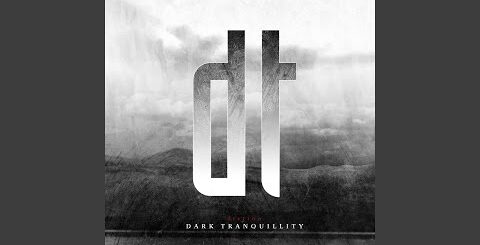
Hours Passed in Exile by Dark Tranquillity Lyrics Meaning – Peering into Shadows of Isolation
Lyrics
What if some things are never meant to be?
What if someone never sees?
What if someone never opens?
What if somehow we are different?
Though I never claimed to be right
Give to me the benefit of doubt
I brought you fires
That you put out
I brought you fires
For I cannot be without
I came with sadness
But this my shattered heart can’t bear
What of the times in exile?
What of the hours passed?
What if touches seem too trivial?
You can never tell me I’m wrong
A song I’ve heard so long
[Chorus]
I brought you fires
That you put out
I brought you fires
For I cannot be without
I came with sadness
But this my shattered heart can’t bear
I came in madness
So this my shattered heart can’t bear
My shattered heart won’t bear
So what if healing takes forever?
So what if time is meant for others?
So what is left is but a shatter
And what is broken can’t be whole
What is broken can’t be whole again
[Chorus]
Among the canon of melancholic anthems threaded into the fabric of melodic death metal, Dark Tranquillity’s ‘Hours Passed in Exile’ stands like a lighthouse in the fog—both guiding and warning travelers of the turbulent seas of the human psyche. In dissecting the layers of this enigmatic masterpiece, our journey takes us not only through the dense atmospheres of blistering riffs and haunting melodies but deep into the territory of the tormented soul.
Frontman Mikael Stanne’s brooding lyrics intertwine seamlessly with the band’s signature sound, creating a poignant narrative that explores themes of longing, despair, and the search for meaning amidst the exhaustion of perpetual struggle. Let’s uncover the secrets etched in the cryptic verses of ‘Hours Passed in Exile’ and examine what makes this song an enduring beacon in the realm of darkly introspective music.
A Cry from the Depths: Understanding the Exile
The exile spoken of in Dark Tranquillity’s track is more than a physical displacement; it’s an intense emotional and psychological state. The idea of someone being in exile from their own happiness, love, or peace gives the song an immediately identifiable anguish. Throughout the narrative, it feels as if the protagonist is a spectator within their own life, pondering their place and worth in a world that seems to deny their desire for connection and understanding.
By framing the conversation around questions, the lyrics cast doubt on the entire experience of existence and interaction, challenging listeners to confront the uncomfortable reality that some aspects of life are beyond reconciliation or repair. The recurring questions signify an internal quest for answers that may never come—a hallmark of existential contemplation.
The Inferno Within: Fires as Symbols of Passion and Despair
Fire in ‘Hours Passed in Exile’ is a multifaceted symbol. It represents the intense passions and aspirations that one carries inside, only to have them extinguished by external forces, or perhaps the cruel indifference of fate itself. Stanne’s delivery of the lines ‘I brought you fires / That you put out’ is rife with a sense of effort squandered, an endeavor quenched by the harsh rejection of the world or a particular individual.
The act of bringing fire—an elemental force both creative and destructive—signifies a deep need for existence to be acknowledged, and for the personal fire to be allowed to burn and illuminate. Yet, the recurring extinguishing of these flames paints a picture of hope continually undermined by disappointment.
The Heart’s Fragments: A Ballad of Brokenness
Poignant and stark, the song delves into the notion of an irretrievably ‘shattered heart.’ This powerful imagery conveys the deep scars left by a litany of emotional battles—lost loves, abandoned dreams, or the general weariness that comes from fighting an inner war with no end in sight.
A shattered heart cannot ‘bear’ the weight of additional grief, and it certainly cannot sustain further blows of life’s ceaseless battles. The melancholy of these lines is universal, speaking to the listener’s own history of hurt, and connecting them to the song’s themes through shared experience of pain—emotional resonance at its rawest.
Unearthing the Song’s Hidden Meaning: Irreversible Passage of Time
At its core, ‘Hours Passed in Exile’ may be interpreted as a meditation on the irreversible passage of time and the sense of powerlessness it begets. The ‘hours passed’ become a measure not only of time but of the accumulation of losses, lessons, and lingering vestiges of hope.
This interpretation paints each moment of exile as a permanent etching on the timeline of existence, where each second becomes a poignant reminder of what has been endured and what can never be recaptured. It’s a stark contemplation of time’s unforgiving nature and its impact on the human condition.
Echoes of the Soul: The Song’s Most Memorable Lines
One of the song’s most gripping facets lies in the emotional depth and poetic delivery of lines that linger long after the music has faded. The phrase ‘You can never tell me I’m wrong / A song I’ve heard so long’ holds a mirror up to the struggle of retaining one’s sense of self in the face of relentless disapproval or misunderstanding.
The chorus, with its refrain of offering fires and bearing the weight of a ‘shattered heart,’ becomes an anthem of resilience in the face of nonacceptance. These lines encapsulate the tension between the need for external validation and the drive to maintain personal integrity amidst external forces that seek to diminish one’s inner flame.