I Would Hurt a Fly by Built to Spill Lyrics Meaning – Unraveling the Intricacies of Self-Reflection
Lyrics
I can’t even figure out what’s making it
No one else around even seems to be noticing
It’s only small enough for me
I can’t get that sound you make out of my head
I can’t even figure out what’s making it
It feels like fingernails across the moon
Or do you rub your wings together
There’s a mean bone in my body
It’s connected to the problems that I won’t take for an answer
And I won’t take that from you
Because I’d hurt a fly
Let you go to sleep
Feeling bad as me
Let you go to sleep
Feeling bad
There’s a mean bone in my body
It’s connected to the problems that I won’t take for an answer
And I won’t take that from you
Because I’d hurt a fly
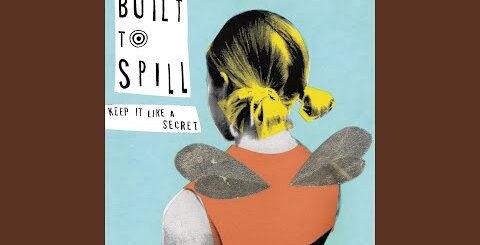
In the pantheon of indie rock anthems, Built to Spill’s ‘I Would Hurt a Fly’ stands as a monument of introspection and the unsettling nuances of conscience. With its hypnotic sonic landscape and lyrically complex tapestry, this track from their critically acclaimed 1997 album ‘Perfect From Now On,’ unravels layers of human sensitivity, vulnerability, and the latent aggression residing within the psyche.
Frontman Doug Martsch crafts a narrative that isn’t just an ethereal musing but a deep dive into the struggles of the inner self. The apparent simplicity of the melody belies the labyrinthine emotional undercurrents encoded within the lyrics, creating a resonant duality that has captivated listeners and critics alike for decades.
The Sound of Inner Turmoil: Essence of the Echoing Noise
When Martsch sings, ‘I can’t get that sound you make out of my head,’ he’s not only alluding to an incessant auditory hallucination but also to an ingrained thought or memory that refuses to be silenced. The inability to identify the source of this sound symbolizes a struggle with an internal dissonance that is both personal and elusive.
The song paints a vivid picture of the isolation that comes with such an experience—’No one else around even seems to be noticing.’ This line serves as a poignant reminder of our solitary confrontations with the parts of us that others remain oblivious to, emphasizing the loneliness of coping with internal conflict.
Fingernails Across the Moon: The Disquieting Metaphors
‘It feels like fingernails across the moon.’ This striking image encapsulates the raw, visceral nature of the lyrical content. The metaphor evokes a sense of deep-seated irritation and unease, likening personal angst to the abrasiveness of nails scraping against a celestial body—an act that’s inherently tense and discordant.
The comparison to the gentle, yet distressing, noise of an insect’s wings—’Or do you rub your wings together’—further explores a disruptive, though seemingly inconsequential, force within oneself. These haunting lines reflect the peculiarities of the mind’s echoes, which are felt so acutely in the dead of night or depths of solitude.
The Confession of Aggression: Insights into the ‘Mean Bone’
Acknowledging the ‘mean bone in my body’ is a stark admission of one’s capacity for harm—imagined or real. It acknowledges the presence of imperfection and moral complexity within the human condition. The phrase is a metaphorical recognition of the internalized anger and potential for wrongdoing that resides, perhaps dormant, in all of us.
The line serves as a confessional junction point, not only revealing the narrator’s acceptance of their dark side but also underlining the human propensity for self-sabotage and the destruction of personal peace—decisions and impulses we find difficult to understand or reconcile with the image we have of ourselves.
The Paradox of Refusal: Stubbornness Meets Consequence
The repetitive declaration that problems will not be ‘taken for an answer,’ points to a profound obstinance against life’s troubles. It’s as if by refusing to accept certain outcomes or emotions, the character in the song can ward off the influence of those very issues.
However, the line carries a self-defeating irony because the very act of not accepting these problems seems to perpetuate the narrator’s internal strife, to the extent of affecting others around them—’Because I’d hurt a fly.’ This circular struggle is the crux of the discomfort discussed throughout the song, and it’s encapsulated in a subtle admission of collateral emotional damage.
Decoding the Hidden Meaning: A Reflection on Human Resilience
Beyond the apparent expressions of turmoil and aggression, ‘I Would Hurt a Fly’ communicates a sense of resilience in the face of self-realization. There’s an underlying narrative of growth that comes from recognizing and battling the less favorable aspects of one’s personality.
The continual references to sleep and feeling ‘bad’ suggest a period of rest or cessation where the narrator is processing these emotional disturbances. It’s in this state of vulnerability that potential healing is alluded to, as is the hope that through recognition there can be a movement toward resolution and ultimately, a more harmonious self.