If Only Tonight We Could Sleep by The Cure Lyrics Meaning – The Ethereal Escape into Dreams and Desires
Lyrics
In a bed made of flowers
If only tonight we could fall
In a deathless spell
If only tonight we could slide
Into deep black water
And breathe
And breathe
Then an angel would come
With burning eyes like stars
And bury us deep
In his velvet arms
And the rain would cry
As our faces slipped away
And the rain would cry
Don’t let it end
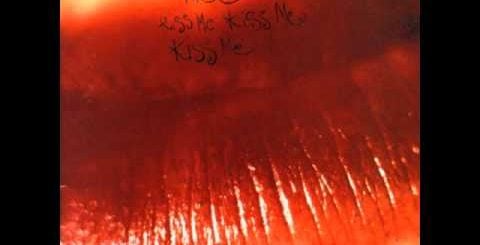
The Cure, throughout their illustrious career, has had the cunning ability to paint landscapes of emotion with their music, often weaving tapestries of melancholy and introspection. ‘If Only Tonight We Could Sleep’, from their critically acclaimed 1987 album ‘Kiss Me, Kiss Me, Kiss Me’, is a testament to their mastery in sculpting atmospheres that allow listeners to immerse themselves into the depths of Robert Smith’s psyche.
With haunting melodies, the song encapsulates themes of escapism, ephemeral bliss, and the yearning for respite from the harsh clatters of reality. Straddling the demarcation between wakefulness and dreaming, the song seems to plead for a single night of unfettered peace – a universal and timeless longing.
The Lyrical Labyrinth of Desire and Reprieve
The Cure’s lyrics often navigate through the shadows of human emotion, and ‘If Only Tonight We Could Sleep’ is a journey through a windswept field of yearning. At its heart, it’s a longing cry for tranquility, a momentary pause on the tumultuous journey of life. The repeated invocation ‘If only tonight’ is as much a plea as it is a dream, reflecting our deep-seated desires to find solace, however brief, in a world that seldom stands still.
As the verses evoke images of lying in a ‘bed made of flowers’ and falling into a ‘deathless spell’, Smith taps into the ephemerality of life. These metaphors for peace and finality are juxtaposed with vivid immediacy, creating a dualistic dance between the finiteness of existence and the infinity of the night sky.
Diving Deep into the ‘Deep Black Water’
Water, in its symbolic richness, often represents both life and rebirth. In ‘If Only Tonight We Could Sleep’, the ‘deep black water’ suggests an abyss that one might willingly plunge into, a baptism into the unknown. It’s Smith’s poetic embrace of the uncertain depths where one can ‘breathe’ away from the cacophony of daily struggles.
This metaphorical immersion is not to be mistaken for a surrender to death; rather, it is seeking life in its most serene, untouched state. It is the very antithesis of gasping for air, it is finding a place to breathe in the most suffocating of circumstances.
An Angel’s Embrace – The Yearning for a Protector
Smith introduces an ‘angel’ with ‘burning eyes like stars’, offering a celestial body to bear away the weariness of one’s earthbound body. This angel is comfort in the darkness, a guardian amidst the inferno of chaos. The song’s figure provides a spiritual dimension to the song, alluding to a desire not only for physical escape but also for metaphysical guardianship.
In this velvet-armed embrace, there’s an acceptance of vulnerability, a submission to a force greater than oneself that promises solace. It’s a soul-deep cry for someone or something to shield us from the inevitability of pain and the entropy of order.
The Rain’s Lament and the Transience of Existence
As ‘the rain would cry’, we’re confronted with an elemental sorrow, a natural reflection of loss and the fading of self. The Cure takes this global symbol of mourning and intertwines it with the process of vanishing faces, a metaphor for identity erosion over time and the ultimate passage towards non-existence.
The rain’s tears are a serene yet somber soundtrack to the disintegration of what was once tangible. Smith doesn’t merely describe this evanescence; he turns the sky into a witness, commanding the elements to grieve over the impending doom of personal annihilation.
Clutching the Moment: ‘Don’t Let It End’
At the climax of this dark lullaby, the refrain ‘Don’t let it end’ serves as a stark counterpoint to the earlier verses. It’s the human grip on the fleeting, the visceral fear of waking from a comforting dream. This poignant plea encapsulates our timeless resistance to change and the end of moments that carry us away from life’s relentless grind.
It’s an outcry against the inevitable breaking of dawn which will scatter the night’s refuge, a resistance to return to reality. Smith, with desperate clarity, conveys the totality of this despair, fostering an intimate resonance with anyone who has wished to stay a little longer in the arms of night.