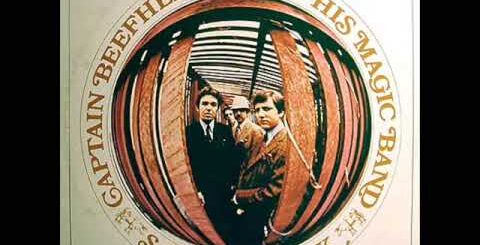
Im glad by Captain Beefheart Lyrics Meaning – A Dive into the Depths of Nostalgia and Joy
Lyrics
When you first came round I was sad
My head hung down I felt really bad
Now I’m glad, glad about the good times that we’ve had
Walked in the park
Kissed in the dark
Leaves burned just like just like a spark
Now I’m glad
Glad about the good times that we’ve had
You went away I cried night and day
For what you done I had to pay
Left me so blue I don’t know
Where to go or what to do
Please come back and let the sun shine through
Sun passed behind a cloud
I felt so proud
We walk down the street people smile that we meet
And I’m glad glad about the good times that we’ve had
You said I was the best man that you’ve ever had oh!
Now I’m glad oh so glad
At first glance, ‘I’m Glad’ might seem an anomaly in Captain Beefheart’s avant-garde catalog. Known for his surreal lyrics and complex music, Captain Beefheart, born Don Van Vliet, takes a tender detour with this soul-baring ballad. The song meanders through the plains of heartfelt emotion, exploring the nuanced euphoria that comes after overcoming sorrow. It’s a rare, stripped-down moment in Beefheart’s oeuvre, showing his range and depth not just as an experimentalist, but as a poet of the human experience.
Set against a backdrop that invokes the simplicity of 50s doo-wop, ‘I’m Glad’ reverberates with a raw purity that stands in contrast to the often chaotic energy of Beefheart’s other works. It opens a window into the softer side of the artist, one that fans and newcomers alike might have overlooked. This track beckons us to dive into the transformative phases of love and loss, inspiring a profound reflection on the moments that shape our emotional landscapes.
Uncovering the Velvet Veil: The Vulnerability in Beefheart’s Voice
In ‘I’m Glad,’ Captain Beefheart puts down the armor of abstract lyricism to reveal a viscerally direct emotional landscape. His voice, often used as an instrument of turmoil and complexity, here becomes a delicate vessel for conveying earnestness and vulnerability. It is less about the sonic experiment and more about the human truth that resonates in the simple act of confession.
The heartfelt delivery in this track stands out from his usual growls and howls, showcasing Beefheart’s versatility. Fans acclimated to his raspier tones in songs packed with layers of dissonance find ‘I’m Glad’ to be a revelation — proving that the Captain’s grasp on emotive expression is as compelling in quietude as it is in chaos.
A Sublime Shift: The Song’s Hidden Meaning
Dig a little deeper, beyond the doo-wop serenade, and you’ll find ‘I’m Glad’ is not just a love song, but also possibly a mirror to the Captain’s own artistic journey. The sadness and the subsequent gladness characterizing the song may reflect the initial reception of his expressionist music — often misunderstood and dismissed — and the eventual celebration of his genius in later years.
The duality of ‘I’m Glad’ echoes the universal cycle of despair and delight, which can be seen as an allegory for the creative process itself. In this interpretation, the song becomes a tribute to persistence, growth, and the sweet triumph that follows a tumultuous beginning, which many artists, including Beefheart himself, know all too well.
Nostalgic Narratives: The Song’s Evocative Imagery
The lyrics paint scenes whisking us away to nostalgic times — walks in the park, kisses in the dark, leaves igniting a flame reminiscent of young love. Each line of ‘I’m Glad’ is meticulously laced with imagery that evokes the bittersweet dance of shadows and light that love orchestrates in our lives.
It’s not just a recollection of memories, but a sensory gateway transporting the listener to moments of their own past revelries. The song is more than a sequence of descriptions; it’s a potent emotional trigger for anyone who has felt the piercing pangs of love’s absence and the subsequent rejuvenation of its return.
The Whirlwind of Emotions: Dissecting the Memorable Lines
‘You went away I cried night and day / For what you done I had to pay’ — these lines speak to the core of love’s trials. Not only does Beefheart express the pain of separation, but there’s also an intonation of culpability and consequence, a longing for resolution. It’s a poignant expression of the afflictions and reparations inherent in any deep connection.
These lines resonate with listeners for their raw relatability. Who hasn’t faced the turmoil of loneliness, the yearning for returned affection, the desire for redemption in love? The universal appeal of these emotions is etched permanently into the memory of those who hear them, a testament to Beefheart’s songwriting prowess.
From Sorrows to Smiles: The Transformative Power of Love
‘I’m glad about the good times that we’ve had’ — the titular refrain signifies the transformation one undergoes when emerging from the shadows of sorrow into the sunshine of joy. The song is a journey through grief, a declaration of personal evolution, and an anthem that celebrates the redemptive force of love and memory.
Within the line’s repetition lies the anthem’s potency; it’s a mantra for anyone needing to be reminded of the light at the end of the tunnel. Captain Beefheart’s ‘I’m Glad’ doesn’t just speak to the recovery from sadness, it’s a soft hallelujah to the gladness that life, love, and perhaps, time grant.