In the Shadow of the Valley of Death by Marilyn Manson Lyrics Meaning – Unraveling the Darkness Within
Lyrics
Heaven wasn’t made for me
We burn ourselves to hell
As fast as it can be
And I wish that I
Could be the king
Then I’d know that I am not alone
Maggots put on shirts
Sell each other shit
Sometimes I feel so worthless
Sometimes I feel discarded
I wish that I was good enough
Then I’d know that I am not alone
Death, is policeman
Death, is the priest
Death, is the stereo
Death, is TV
Death, is the Tarot
Death, is an angel and
Death, is our God
Killing us all
She put the seeds in me
Plant this dying tree
She’s a burning string
And I’m just the ashes
She put the seeds in me
Plant this dying tree
She’s a burning string
And I’m just the ashes
She put the seeds in me
Plant this dying tree
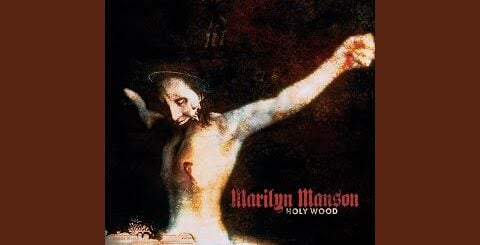
Marilyn Manson has long been a provocateur in the world of music, using his art to challenge norms and provoke thought among listeners. ‘In the Shadow of the Valley of Death’, a track from the album ‘Holy Wood (In the Shadow of the Valley of Death)’ stands as one of his most enigmatic and dark offerings. Crafting a narrative both personal and societal, Manson touches upon nihilism, self-worth, and the pervasive presence of death in modern life.
The song’s visceral lyrics and atmospheric instrumentals invite fans and critics alike to ponder the multi-layered messages woven throughout. Manson’s ability to create a poignant blend of shock rock and profound social commentary ensures that ‘In the Shadow of the Valley of Death’ endures as a topic of discussion for anyone interested in the deeper meanings behind the shock factor.
A Dire Reflection on Modern Existence
At the heart of this song lies a reflection on the meaninglessness that Manson perceives in the day-to-day machinations of society. The opening line, ‘We have no future,’ sets an immediate tone of hopelessness that challenges the listener to confront the bleak outlook Manson sees for humanity.
When Manson proclaims, ‘Heaven wasn’t made for me,’ there is an overt rejection of traditional salvation, hinting at a personal sense of alienation from societal norms and expectations of purity or moral absolutism. The self-destructive haste in ‘We burn ourselves to hell as fast as it can be’ underscores a collective rush towards annihilation, which Manson views as an inherent aspect of human nature.
A Cry for Recognition and Worth
Beyond the nihilistic observations, ‘In the Shadow of the Valley of Death’ is a deep-seated plea for recognition. The lyric ‘I wish that I was good enough’ echoes the universal struggle with self-esteem, exposing a vulnerability rarely associated with Manson’s controversial persona.
In ‘Sometimes I feel so worthless, Sometimes I feel discarded,’ there is an intimate confession of the artist’s battle with his own sense of value; here, Manson unites with his audience in a shared experience of self-doubt and the need to be deemed worthy.
Death as a Multifaceted Muse
Manson’s portrayal of death throughout the song conveys its omnipresence in our lives. With lines such as ‘Death is policeman, Death is the priest’, death is depicted not only as the inevitable end but is given various faces within society—some of which hold authoritative positions and influence.
He goes further with ‘Death is the stereo, Death is TV,’ suggesting that death pervades even our entertainment and daily distractions. By characterizing death in this multitude of roles, Manson criticizes how death has been normalized and commodified in culture.
The Decaying Symbiosis Between Lover and Broken Self
Manson crafts a metaphorical relationship where he is ‘just the ashes’ to a destructive partner who ‘put the seeds in me.’ This imagery speaks to the idea of corrupting influences or relationships and the harm they can inflict on one’s sense of self.
The repeated line ‘She’s a burning string’ suggests a fuse leading to an explosive end—a doomed connection where one party consumes the other, an emotional cycle with an inevitable conclusion as symbolized by the ‘dying tree’ he speaks of planting.
Unveiling the Hidden Meaning: Destruction as Creation
Upon closer examination, ‘In the Shadow of the Valley of Death’ reveals a paradoxical message where destruction paves the way for creation. Manson’s depiction of burning, decaying, and dying can be seen as a necessary evil for rebirth and change.
The song’s delineation of personal and societal death exposes the potential for metamorphosis. It prompts the listener to contemplate whether the stark landscape of the valley of death is not just an end, but perhaps also the dark soil from which new life might unexpectedly spring forth.