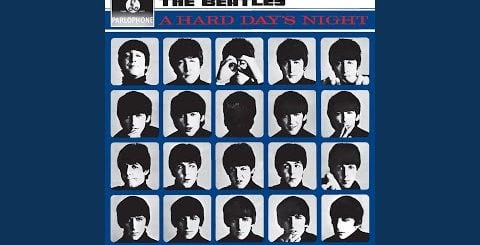
It Won’t Be Long by The Beatles Lyrics Meaning – The Countdown to Belonging
Lyrics
It won’t be long yeah (yeah), yeah (yeah), yeah (yeah)
It won’t be long yeah (yeah), ’til I belong to you
Every night when everybody has fun
Here am I sitting all on my own
It won’t be long yeah (yeah), yeah (yeah), yeah (yeah)
It won’t be long yeah (yeah), yeah (yeah), yeah (yeah)
It won’t be long yeah (yeah), ’til I belong to you
Since you left me, I’m so alone
Now you’re coming, you’re coming on home
I’ll be good like I know I should
You’re coming home, you’re coming home
Every night the tears come down from my eyes
Every day I’ve done nothing but cry
It won’t be long yeah (yeah), yeah (yeah), yeah (yeah)
It won’t be long yeah (yeah), yeah (yeah), yeah (yeah)
It won’t be long yeah (yeah), ’til I belong to you
Since you left me, I’m so alone
Now you’re coming, you’re coming on home
I’ll be good like I know I should
You’re coming home, you’re coming home
So every day we’ll be happy, I know
Now I know that you won’t leave me no more
It won’t be long yeah (yeah), yeah (yeah), yeah (yeah)
It won’t be long (yeah), yeah (yeah), yeah (yeah)
It won’t be long yeah (yeah), ’til I belong to you
Tapping into the heartbeat of an era where love letters were penned with ink and anticipation was the melody of every lover’s theme song, The Beatles captured the fervent spirit of youthful yearning with their hit ‘It Won’t Be Long’. The track not only glistens with the musical genius of the four lads from Liverpool but also marks the burgeoning maturity of a band evolving from mop-topped pop-stars into profound storytellers.
On the surface, the repetitive chant ‘It won’t be long’ emanates the simplistic urgency of lovers separated by circumstance. However, a closer digestion reveals layers of nuanced emotion and sociocultural reflections hidden within the rhythm and the rhyme. Let us dive into the depths of this seemingly straightforward tune and unlock the treasures of longing, anticipation, and joyful reclamation.
The Rhythm of Longing: An Emblem of the 60s
The punctuated yet melodic ‘yeah’s that lead the charge in ‘It Won’t Be Long’ serve as the period at the end of each throbbing heartbeat of someone waiting, marking the song with an unmistakable cadence of the 60s. It’s not just about the music; it’s about the cultural resonance that these lyrics and this beat had for a generation coming of age. ‘Every night when everybody has fun / Here am I sitting all on my own’ – it’s a reflective mirror held up to the isolating feeling of being alone in an era defined by togetherness and collective enjoyment.
Amidst the beach parties and festivals, this song offered a private moment of inner dialogue for those who were waiting for something, or someone, thus becoming a temporal bridge between what was longed for and the present moment of isolation. The Beatles, experts in weaving the personal with the universal, managed to both mirror and mould the zeitgeist of the age with a song that reverberated through halls of memory and expectation.
A Chorus of Anticipation: The Heartbeat of the Song
The chorus, a call-and-response structure with the simple repetition of ‘yeah’ serves as a testament to the tension that builds with each day passing. This anticipation is the heartbeat of the song, and it thumps louder with the promise of the returning lover. The ingenious thing about a chorus this catchy is its ability to translate that intimate yearning into a collective experience, and The Beatles were master craftsmen at creating choruses that compelled their audience to join in the emotional journey.
The ticking clock element of ‘It won’t be long’ not only asks the listener to feel the tempo, but to internalize the passage of time as it relates to love and longing. One can’t help but feel the urgency and the fervor increase with the progression of the song, which is the unmistakable mark of excellent storytelling through music.
The Hidden Meaning: A Lens on Vulnerability
Behind the wall of sound and the seemingly joyous chant, lies a layer of vulnerability that often goes unnoticed. ‘Every night the tears come down from my eyes’ opens a window to the soul of the narrator, revealing a poignant underbelly to the excitement. This acknowledgment of the tears gives the song an emotional honesty that heightens its impact and connects on a deeper level with the listener.
It serves as a reminder that anticipation can be riddled with fear and self-doubt. The promise of being good, of improving oneself for the sake of a lover’s return, speaks to an innocence and a desire for self-betterment that was both a personal plea and a societal influence of the time.
The Memorable Lines: Echoes of a Timeless Desire
Certain lines in the lyrics encapsulate an entire era of heartache and hope: ‘Since you left me, I’m so alone / Now you’re coming, you’re coming on home’. Remarkably timeless, these lyrics reflect the age-old narrative of separation and reunion – a theme as old as love itself. The song, with its simple language, confidently embeds itself in the personal histories of those who heard it then and those who discover it anew.
The phrase ‘I’ll be good like I know I should’ is a memorable takeaway, resonating with anyone who has ever made promises in the name of love. It underscores a universal pledge that binds the self to another, with the simplicity and innocence that were part of the collective consciousness in the early 1960s.
Belonging and the Beat: Why ‘It Won’t Be Long’ Still Resonates
‘It won’t be long ’til I belong to you’ finally brings home the message of belonging – the end goal and the anticipated reward for the waiting and the emotional work. The concept of belonging not only to each other but as a part of something greater perhaps, is a powerful narrative that continues to captivate audiences, perhaps now more than ever.
It’s a message that breaks through the confines of its own era and continues to reverberate in the halls of contemporary music. The beat, the lyrics, and the sentiments come together to form a timeless expression of human longing and connection that transcends the sixties, weaving through the decades to connect with listeners in an ever-changing world.