It’ll Be OK by Limp Bizkit Lyrics Meaning – Unveiling the Emotional Turmoil in Raw Verses
Lyrics
It says that you’ll be gone for a while
Everything was getting better
I guess I’m just a fool strung out
What to do?
Life is through
Just want to kill
Myself for you
I wonder
Just how sympathetic you’ll be
You’ve come to take me under
And I’ve forgotten all about me
What to do?
Life is through
Just want to kill
Myself for you
So tell me why?
You say goodbye
And tell me why
You’re fucking up my whole life?
Yeah
Fucking up my whole life?
So I’m on my way
I leave today
If I get away
It’ll be ok
It’ll be ok
I’m looking out a window
Into a world that’s taken you from me
And I’m feeling so disgusted
How pathetic can I possibly be?
What to do?
Life is through
Just want to kill
Myself for you
So tell me why?
You say goodbye
And tell me why
You’re fucking up my whole life? Yeah
Fucking up my whole life?
So I’m on my way
I leave today
If I get away
It’ll be ok
It’ll be ok
If there’s a better place you can take me
A better life you can give me
Whatever place I can start all over
And I will never need what you gave me
And never need you to save me
And never feel like this life is over
If there’s a better place you can take me
A better life you give me
Whatever place I can start all over
Then I would never need what you gave me
And never need you to save me
And never feel like this life is over
Feel like this life is over
So I’m on my way
I leave today
If I get away
It’ll be ok
It’ll be ok
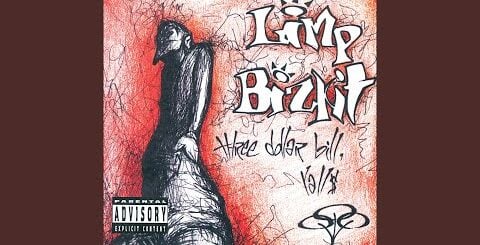
In a visceral cascade of raw emotion and emphatic rhythms, Limp Bizkit’s song ‘It’ll Be OK’ from their 2000 album ‘Chocolate Starfish and the Hot Dog Flavored Water’ strikes a chord with anyone who’s ever felt the sting of a severed connection. The song, often overshadowed by the band’s rowdier hits, unpacks a narrative of personal devastation and the desperate longing for escape.
Far from the nuances of subtlety, ‘It’ll Be OK’ is a sledgehammer of sentiment, where frontman Fred Durst exposes a vulnerability often cloaked by their nu-metal bravado. This examination goes beyond the blaring guitars and into the heart of a song that speaks to the darker, quieter sides of the human experience.
Dissecting the Desperation: An Ode to the Brokenhearted
The opening lines feel like the first cut of emotional surgery, as the protagonist receives a letter outlining a departure—physical or emotional—leaving them grappling with a sense of betrayal. Each strum mirrors the pendular swing between disbelief and dawning reality, while ‘Everything was getting better’ becomes a sharp reminder of the irony often found in love’s cruel timing.
As if walking through the afterwards of a natural disaster, ‘It’ll Be OK’ doesn’t let you sweep up the debris. It insists you acknowledge the destruction, to sit with the ruins of a relationship that promised rejuvenation but left desolation in its wake.
‘Fucking Up My Whole Life’: The Battle Cry of the Forsaken
Perhaps the song’s most piercing inquiry, ‘why are you fucking up my whole life?’ is a line that resonates with anyone who feels their existence has been upended by someone else’s choice. It’s not just the end of a bond but the annihilation of a world. The repetition serves as a incantation, or even an accusation, toward the person who has caused such an upheaval.
Durst’s delivery of this line embodies a mix of indignation and desperation. As both an anthem and a lament, it becomes clear that ‘It’ll Be OK’ walks the listener down the familiar road of trying to understand why endings sometimes feel like personal failures.
On the Edge: To Stay or to Escape
The narrative reaches a crescendo with a declaration of departure, ‘So I’m on my way, I leave today.’ The protagonist is teetering on the edge of a decision that could mean life or death, literally or metaphorically—it’s a journey of escape to find solace. In the context of the song, it’s a decisive moment of catharsis.
The affirming line ‘If I get away, It’ll be OK’ serves as a mantra for survival, suggesting that in the act of leaving, there is potential for redemption. It’s about setting oneself free from the chains of heartbreak and seeking a future that no longer hinges on the one who’s caused such pain.
A Better Place: The Search for Self-Redemption
The latter part of the song introduces a new dimension of hope against the backdrop of the bitter cold truth sung throughout. ‘If there’s a better place you can take me’ suddenly shifts the responsibility of healing, suggesting that maybe it’s not about the other person providing a resolution, but about self-driven change and growth.
The notion of not needing ‘what you gave me, and never need you to save me,’ speaks to the realization that, sometimes, cutting ties completely is necessary to start anew. It’s a powerful sentiment that resonates with the search for personal strength and self-sufficiency in the aftermath of a relationship.
Unearthing the Hidden Meaning: A Reflection on Our Own Vulnerabilities
At its core, ‘It’ll Be OK’ does more than echo the sentiments of farewell; it holds up a mirror to the listener’s own experiences. It is a raw, unfiltered dive into the psychology of heartbreak, a reminder that pain is universal, and we are not alone in our darkest hours.
The song’s true hidden meaning lies not within the words but between them—in the silence after a string is plucked, in the breath taken before another verse. It’s in these moments that we find ourselves and our capacity to move forward, to declare that despite everything, ‘It’ll be OK.’