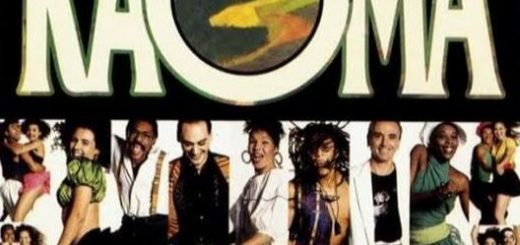
Lambada by Kaoma Lyrics Meaning – The Undulating Emotions of a Dance Craze
Lyrics
Chorando se foi quem um dia só me fez chorar
Chorando estará ao lembrar de um amor
Que um dia não soube cuidar
Chorando estará ao lembrar de um amor
Que um dia não soube cuidar
A recordação vai estar com ele aonde for
A recordação vai estar pra sempre aonde for
Dança sol e mar, guardarei no olhar
O amor faz perder e encontrar
Lambando estarei ao lembrar que esse amor
Por um dia, um instante foi rei
A recordação vai estar com ele aonde for
A recordação vai estar pra sempre aonde for
Chorando estará ao lembrar de um amor
Que um dia não soube cuidar
Canção riso e dor, melodia de amor
Um momento que fica no ar
Dançando lambada
The late ’80s saw a Brazilian beat take over the dance floors across the globe- it was the Lambada, and Kaoma were its most famous proponents. Lambada, often referred to as ‘the forbidden dance’, is as much an immersive cultural phenomenon as it is a musical curiosity. With its infectious rhythm and poignant lyrics, the Lambada by Kaoma has enshrined itself in the hearts of many.
Beyond the beats that compelled hips to sway was a story—a narrative of love lost, nostalgia, and the painful beauty of memories. The song became a soundtrack to the unspoken feelings and a movement that spoke louder than words could. Let us dive into the depths of this enigmatic hit, interpreting its meaning and its unyielding grip on our collective consciousness.
Rhythm of Reminiscence: Embracing the Nostalgia
At its core, ‘Lambada’ tells a tale of love and loss, elegantly narrated through its mesmerizing musical fabric. The opening lines, ‘Chorando se foi quem um dia só me fez chorar,’ hint at an overflowing sorrow for a departed lover, one that left a trail of tears in their absence. This sorrow is not merely about the end of a romance but also about the regrets tethered to it.
The memories of this passionate but ill-fated love affair leave an indelible mark, as the lyrics suggest, following the lovers wherever they might go. It underscores the inconclusive nature of certain relationships – how they can end yet continue to haunt us with ‘a recordação’ (the memory), that is both beloved and painful in equal measure.
The Sun and Sea in Harmonic Dance
Imagery plays a critical role in bringing the emotions of ‘Lambada’ to life. The words ‘Dança sol e mar, guardarei no olhar,’ paint a vivid scene under the sun and by the sea—a universal symbol of warmth, freedom, and the dance of life itself. It is in these elements that the persona of the song seeks solace, indicating that despite loss, there is a whole world out there to embrace.
The song suggests a bittersweet reality: love can lead to loss (‘O amor faz perder’), but it is also through love that we discover (‘e encontrar’). It articulates a life lesson delivered through the hypnotic cadence of the Lambada, delivering wisdom that echoes long after the music fades.
The Hidden Meaning: A Tale of Sovereign Sentiments
Peeling back the layers of the peppy melody reveals the song’s more profound message—one of empowering introspection. When the narrator speaks of their love being ‘rei’ (king) for a day, it’s an acceptance of the transient power emotions can hold over us. True to the Lambada’s character, it’s both a celebration and lament of the fleeting authority love exercises in our lives.
This hidden meaning elevates the dance song to an anthem of human experience, capturing the universal complexity of cherishable moments with a simple, yet powerful brushstroke. It speaks of impermanence, the sovereignty of our feelings, and the perennial dance between joy and sorrow.
The Melancholic Melody That Echoes a Smile and Sorrow
There is something hauntingly evocative about the way ‘Lambada’ interweaves ‘Canção riso e dor, melodia de amor,’ into its lyrics. It’s more than a dance track; it’s an ode to the dualistic nature of life, where melody encapsulates love, laughter, and pain in a single breath.
The dance becomes a metaphor for the emotional highs and lows we endure, a harmonic movement that indeed ‘fica no ar’ (stays in the air). The song ends with an ellipsis, an incomplete thought, mirroring how our own tales of passion sometimes conclude with words left unsaid and dances unfinished.
Unforgettable Lines that Transcended Borders
Although the lyrics are predominantly in Portuguese, ‘Lambada’ crossed linguistic barriers, and some lines became emblems of the era. The chorus, with its wistful outcry repeated, bleeds into the psyche, becoming a universal cry for the loves we’ve lost and the bitter sweetness of their memory.
It is through these lyrics that ‘Lambada’ by Kaoma will eternally provoke a dance not just of the body but of the heart—one that resonates with anyone who has loved passionately, lost profoundly, and dared to remember. Transcending mere words, the melody speaks directly to our spirits, inviting us into a dance that, decades later, remains as evocative and relevant as ever.