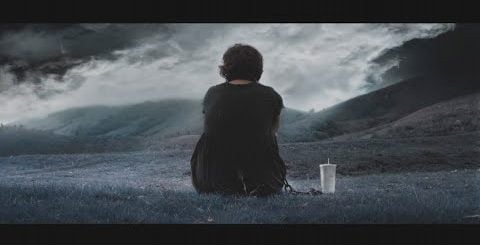
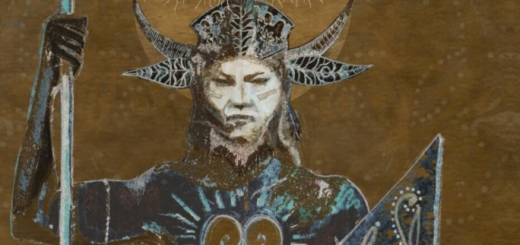
L’Enfant sauvage by Gojira Lyrics Meaning – Unveiling The Wild Child Within
Lyrics
It doesn’t work, I’m trying, I don’t know
The aberration of this world I tried to deal with
It killed a part of me that was raging
The pain is gone, the denial
I ran away from institutions
I owe myself life
There’s no way
I will respond to this passion, anger flowing through me
There is light in this world I fight for
The reason you won’t leave this cage, betray your child
The desire that you once had to reveal yourself
Forgot to create your own life
Anger, lies, denial
This righteous anger boiling inside of us
Won’t last forever
Don’t fear to let it out
Branches have grown through
The wolf is your master
The sky is all
Over me
I run on time
At the crossroads of progressive metal and environmental philosophy, Gojira stands as a monolithic figure, merging crushing soundscapes with deeply reflective lyrics. ‘L’Enfant Sauvage’, French for ‘The Wild Child’, is not just a track from their celebrated discography; it’s a powerful statement on human nature, agency, and the internal struggle against societal conformities.
Lead singer Joe Duplantier’s growling intonations serve as a conduit for navigating the existential quandary depicted in the song’s lyrics. The intent behind ‘L’Enfant Sauvage’ is not to resolve these internal conflicts but to expose them—laying out an introspective battlefield where one’s primal essence fights for recognition against the taming forces of society.
The Unrelenting Struggle Against Societal Molds
The pursuit to ‘match’ or conform is met with relentless resistance, as relayed in the opening lines of ‘L’Enfant Sauvage’. It’s a rebellion that many of us feel deep within, an inherent discomfort with the rigid structures and expectations that society places before us.
Duplantier’s acknowledgment that ‘It doesn’t work, I’m trying, I don’t know’ is an admission of the tumultuous journey of self-discovery, a path shrouded with uncertainties and the arduous endeavor to remain true to one’s essence in the face of pervasive social aberrations.
Embracing the Pain to Unshackle the Spirit
‘It killed a part of me that was raging’ – in this visceral line, we confront the uncomfortable truth that oppression not only stifles our external expressions but often quenches the internal fires that drive us.
The song paints a portrait of a spirit in distress, navigating through the anguish of loss—loss of authenticity, passion, and raw human emotion. The passage through denial and pain, dealt by the institutionalized world, is but a rite into liberated existence.
The Revealing Fury: The Hidden Meaning of Gojira’s Anthemic Chorus
There is a discernible shift as ‘L’Enfant Sauvage’ progresses from its verses to the anthemic chorus. The lyrics ‘anger flowing through me’ signal the transformative power of rage – a usually stigmatized emotion, yet capable of illuminating the darkest corridors of suppressed identity.
This is the hidden message that Gojira embeds within their wrought iron chords: anger need not be destructive when channeled towards the illumination of truth, the breaking of chains that bound the proverbial ‘wild child’ within each of us.
Caged Desires: The Betrayal of Our Innermost Yearnings
In an allegory to the plight of the captive soul, Gojira challenges the listener to question the self-imposed limitations of individual ambition. ‘The desire that you once had to reveal yourself / Forgot to create your own life’ – these lines serve as a striking reminder of our propensity to abandon the pursuit of personal fulfillment for the comfort of established norms.
The song posits that the ultimate betrayal is not found in external forces or pressures, but rather within, in the moments we choose to forgo authentic expression for the false security of a psychological cage.
Echoing through Eternity: Memorable Lines That Resonate
‘The sky is all over me / I run on time’ – with these closing lines, Gojira doesn’t present an end to the journey but rather an acknowledgment of an ongoing battle against the binds of temporal existence and the continuous search for meaning.
These are the words that echo beyond the song, galvanizing those who resonate with the wild child’s cry, to continue to seek the light in a world often shrouded in shadow, and to perpetually run against the grains of time—an unending race for self-discovery.