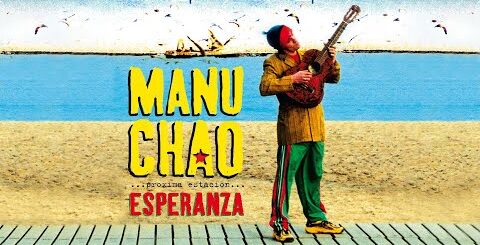
Me gustas tú by Manu Chao Lyrics Meaning – Navigating the Lyrical Labyrinths of Love and Existence
Lyrics
(Te lo dije bien clarito)
(Permanece a la escucha)
(Permanece a la escucha)
Doce de la noche en La Habana, Cuba
Once de la noche en San Salvador, El Salvador
Once de la noche en Managua, Nicaragua
Me gustan los aviones, me gustas tú
Me gusta viajar, me gustas tú
Me gusta la mañana, me gustas tú
Me gusta el viento, me gustas tú
Me gusta soñar, me gustas tú
Me gusta la mar, me gustas tú
¿Qué voy a hacer?
Je ne sais pas
¿Qué voy a hacer?
Je ne sais plus
¿Qué voy a hacer?
Je suis perdu
(¿Qué horas son, mi corazón?)
Me gusta la moto, me gustas tú
Me gusta correr, me gustas tú
Me gusta la lluvia, me gustas tú
Me gusta volver, me gustas tú
Me gusta marihuana, me gustas tú
Me gusta Colombiana, me gustas tú
Me gusta la montaña, me gustas tú
Me gusta la noche (me gustas tú)
¿Qué voy a hacer?
Je ne sais pas
¿Qué voy a hacer?
Je ne sais plus
¿Qué voy a hacer?
Je suis perdu
(¿Qué horas son, mi corazón?)
Doce, un minuto
Me gusta la cena, me gustas tú
Me gusta la vecina, me gustas tú (Radio Reloj)
Me gusta su cocina, me gustas tú (una de la mañana)
Me gusta camelar, me gustas tú
Me gusta la guitarra, me gustas tú
Me gusta el reggae, me gustas tú
¿Qué voy a hacer?
Je ne sais pas
¿Qué voy a hacer?
Je ne sais plus
¿Qué voy a hacer?
Je suis perdu
(¿Qué horas son, mi corazón?)
Me gusta la canela, me gustas tú
Me gusta el fuego, me gustas tú
Me gusta menear, me gustas tú
Me gusta la Coruña, me gustas tú
Me gusta Malasaña, me gustas tú
Me gusta la castaña, me gustas tú
Me gusta Guatemala, me gustas tú
¿Qué voy a hacer?
Je ne sais pas
¿Qué voy a hacer?
Je ne sais plus
¿Qué voy a hacer?
Je suis perdu
(¿Qué horas son, mi corazón?)
(¿Qué voy a hacer?)
(Je ne sais pas)
(¿Qué voy a hacer?)
(Je ne sais plus)
(¿Qué voy a hacer?)
(Je suis perdu)
(¿Qué horas son, mi corazón?)
(¿Qué voy a hacer?)
(Je ne sais pas)
(¿Qué voy a hacer?)
(Je ne sais plus)
(¿Qué voy a hacer?)
(Je suis perdu)
(¿Qué horas son, mi corazón?)
¿Qué horas son, mi corazón?
(¿Qué horas son, mi corazón?)
¿Qué horas son, mi corazón?
¿Qué horas son, mi corazón?
¿Qué horas son, mi corazón?
(Cuatro de la mañana)
(A la bin, a la ban)
(A la bin, bon, ban)
(A la bin, a la ban)
(A la bin, bon, ban)
(Obladi, oblada)
(Obladidada)
(A la bin, a la ban)
(A la bin, bon, ban)
(Radio reloj)
(Cinco de la mañana)
(No todo lo que es oro brilla)
(Remedio chino e infalible)
Manu Chao’s ‘Me gustas tú’, a tune that often sounds like a carefree roll call of likes and locales, carries an undercurrent of existential inquiry beneath its breezy facade. As the lyrics dance from time zones to personal affections, the song becomes a world music mosaic, reflecting the artist’s nomadic heart and eclectic influences.
Infused with Chao’s signature blend of reggae, Latin, and punk influences, ‘Me gustas tú’ remains an enigmatic piece in his discography – one that invites the listener to find joy in both the grand and the granular while contemplating the sweet perplexity of human desire.
An Ode to Wanderlust: The Global Heartbeat
The song opens with a roll call of times across various cities, linking listeners immediately to the universal theme of connection and movement. The recurring time checks serve as a gentle reminder of the world’s vastness and our place within it, invoking a sense of wanderlust that parallels Chao’s love of travel.
It’s more than just geography; it’s about embracing the beauty of diverse cultures and experiences. This tapestry of time and travel encapsulates the spirit of adventure that is integral to understanding the core of Chao’s life and music.
Simple Pleasures Meet Profound Questions
The juxtaposition of simple likes (‘Me gusta la cena,’ ‘Me gusta la lluvia’) with the refrain ‘me gustas tú’ suggests a celebration of life’s everyday moments alongside the affection for an unnamed ‘you’. These lines embody the ecstasy found in the ordinary, underscoring the artist’s capacity to derive inspiration from life’s mundane facets.
However, the simplicity of these pleasures is counterbalanced by the existential refrain ‘¿Qué voy a hacer?’ paired with the French ‘Je ne sais pas.’ Here lies a stark acknowledgment of life’s inherent uncertainties, the questions that linger despite our daily joys and affections.
The Bilingual Cry of a Lost Soul
Manu Chao’s choice of switching between Spanish and French reveals his multicultural identity, a nod to his French-Spanish parentage. The multilingual lyrics not only represent his personal background but also invite a broader audience to relate to the sentiment of being lost (‘Je suis perdu’), creating a universal feeling of disorientation and longing in love.
By expressing the angst of indecision and hopelessness in more than one language, Chao cleverly transcends cultural barriers, connecting with listeners who know the turmoil of love’s labyrinth all too well.
Hidden Meaning: The Clock’s Melancholy Ticking
The recurring question ‘¿Qué horas son, mi corazón?’ is a subtle yet powerful motif throughout the song. On the surface, it’s merely asking for the time. But at a deeper level, this inquiry reflects the heart’s search for temporal anchoring amidst the chaos of affection and existence.
In a world where love and desires constantly shift, the clock offers a metaphorical ground – a way to measure progression or stasis in life and love. It’s a whisper of time’s passage as we navigate through our emotions and decisions, with each ticking second reminding us of our vulnerabilities and the transient nature of our experiences.
Memorable Lines: ‘Me gusta la mar, me gustas tú’
Among the song’s litany of things Manu Chao likes, the line ‘Me gusta la mar, me gustas tú’ stands out for its poetic simplicity and profound depth. The sea is often associated with depth and mystery, much like the enigmatic character of love itself.
This line encapsulates the vastness and unpredictability of emotions, drawing a parallel between the allure of the ocean and the allure of the person he admires. In this brief but impactful phrase, Chao manages to convey the boundless and unfathomable aspects of affection with an evocative and enduring image.