Mr. Sandman by The Chordettes Lyrics Meaning – Unveiling the Dreamy Desires of a 50’s Classic
Lyrics
(Bung, bung, bung, bung, bung, bung, bung)
(Bung, bung, bung, bung, bung, bung, bung)
(Bung, bung, bung, bung, bung, bung)
Mr. Sandman, bring me a dream (bung, bung, bung, bung)
Make him the cutest that I’ve ever seen (bung, bung, bung, bung)
Give him two lips like roses and clover (bung, bung, bung, bung)
Then tell him that his lonesome nights are over
Sandman, I’m so alone (bung, bung, bung, bung)
Don’t have nobody to call my own (bung, bung, bung, bung)
Please turn on your magic beam
Mr. Sandman, bring me a dream
(Bung, bung, bung, bung, bung, bung, bung)
(Bung, bung, bung, bung, bung, bung, bung)
(Bung, bung, bung, bung, bung, bung, bung)
(Bung, bung, bung, bung, bung, bung, bung)
Mr. Sandman, bring me a dream
Make him the cutest that I’ve ever seen
Give him the word that I’m not a rover
Then tell him that his lonesome nights are over
Sandman, I’m so alone
Don’t have nobody to call my own
Please turn on your magic beam
Mr. Sandman, bring me a dream
(Bung, bung, bung, bung, bung, bung, bung)
(Bung, bung, bung, bung, bung, bung, bung)
(Bung, bung, bung, bung, bung, bung, bung)
(Bung, bung, bung, bung, bung, bung)
Mr. Sandman (yes) bring us a dream
Give him a pair of eyes with a “come-hither” gleam
Give him a lonely heart like Pagliacci
And lots of wavy hair like Liberace
Mr. Sandman, someone to hold (someone to hold)
Would be so peachy before we’re too old
So please turn on your magic beam
Mr. Sandman, bring us, please, please, please
Mr. Sandman, bring us a dream
(Bung, bung, bung, bung, bung, bung, bung)
(Bung, bung, bung, bung, bung, bung)
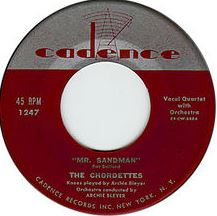
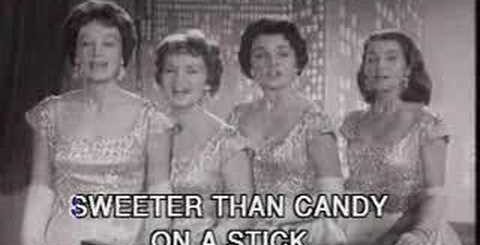
Beneath the catchy tune and harmonious vocals of The Chordettes’ classic hit ‘Mr. Sandman,’ lies a profound exploration of mid-century desires and the human yearning for companionship. The iconic song, released in 1954, evokes a blend of innocence and yearning that resonates with moods post-World War II, capturing the hearts of listeners with its dream-like promises of magical transformation in love and life.
‘Mr. Sandman’ is a brilliant tapestry of musical and lyrical elements that interweave to create a timeless longing, a nostalgic escape into a dream world where every wish can be granted by the mystical Sandman. This article delves into the song’s enchanting universe to discover the hidden meanings and enduring appeal behind those sweet, harmonized ‘bung, bung, bung’s.
A Wishful Midnight Lullaby: Decoding The Chordettes’ Sweetest Serenade
The opening lines of ‘Mr. Sandman’ instantly transport us into a world where the Sandman, traditionally a character who sprinkles sand to help children sleep and dream, becomes a benevolent matchmaker for the lonely. The Chordettes’ longing for the ‘cutest’ dream echoes the postwar sentiment, where many sought stability and happiness in traditional family life, after years of uncertainty and loss.
It’s more than just a sleepy-time tune—it’s a ballad of hope, transcending the literal request for slumber into a deeper plea for fulfilling the void of a desolate heart. The use of ‘magic beam’ adds a layer of fantasy and magic realism, underlining the theme of desired transformation that runs throughout the song.
Roses, Clover, and the Ideal of Perfection
The Chordettes weren’t just asking for any partner; they painted the picture of an ideal, almost unattainable figure. ‘Two lips like roses and clover’ suggests a harmony with nature and beauty, while setting unspoken standards for a time when the image of the perfect partner was mostly unchallenged and widely accepted by society.
This idealized partner symbolizes more than just romantic longing—it’s an embodiment of the hopes and aspirations of a generation striving towards an idyllic version of life. The repetition of ‘bring me a dream’ underlines a communal longing, shared by a society that had been stripped of its dreams, desperately seeking to rebuild them.
The Latticework of Loneliness and the Human Condition
The Chordettes’ confession of feeling profoundly alone conveys an existential angst that cuts through time. Their admission, ‘Don’t have nobody to call my own,’ speaks volumes about the universality of human loneliness—an experience as old as time, yet freshly poignant in the golden age of American pop.
In contrast to the collective joyfulness typical of the 1950s music scene, ‘Mr. Sandman’ bears a layer of personal vulnerability and the undeniable truth that beneath the prosperity of the era, there remained a yearning for individual fulfillment—a soulmate to stave off the pangs of solitude.
Pagliacci and Liberace: Paragons of Pinnacle Desires
In an era where appearances and public personas held significant influence, invoking images of Pagliacci and Liberace was more than a flourish of lyricism. Pagliacci, the clown concealing sorrow with a smile, and Liberace, the epitome of showmanship and flamboyance, embodied the polarity of public expectation: the ability to mask inner pain and the pursuit of glamorous external perfection.
These references encapsulate the duality of the human spirit prevalent in the 1950s: the outward pursuit of extraordinary charm coupled with an inward grappling with emotional depth. ‘Mr. Sandman’ subtly critiques these societal norms even as it perpetuates the polished exterior of the ideal man with ‘a
Evergreen Lyrics: How ‘Mr. Sandman’ Seals Its Timeless Charm
The song’s indelible phrases, such as ‘bring me a dream’ and ‘lonesome nights are over,’ struck a chord with audiences upon release and continue to resonate today. The simplicity and universality of the lyrics allow them to transcend their era, maintaining a nuanced understanding of the yearning for love and connection in any generation.
Phrases like ‘someone to hold’ and the call for the Sandman before growing ‘too old’ reflect a deep-seated fear of passing time without fulfillment. The Chordettes encapsulated the zeitgeist of an age while leaving room for listeners to graft their own meanings onto the words—a feat that ensures the perpetual relevance and allure of the song.