My Moon My Man by Feist Lyrics Meaning – A Celestial Dance of Love and Change
Lyrics
Such a lovable lamb to me
My care, my coat, leave on a high note
There’s nowhere to go but on
Heart on my sleeve, not where it should be
The song’s out of key again
My moon’s white face, what day and what phase
It’s the calendar page again
Take it slow, take it easy on me
Shed some light, shed some light on me, please
Take it slow, take it easy on me
Shed some light, shed some light on me, please
My moon and me, not as good as we’ve been
It’s the dirtiest clean I know
My care, my coat, leave on a high note
There’s nowhere to go, there’s nowhere to go
Take it slow, take it easy on me
Shed some light, shed some light on me, please
Take it slow, take it easy on me
Shed some light, shed some light on me, please
My moon, my moon, my man
My moon, my moon, my man
My moon, my moon, my man
My moon, my moon, my man
At first listen, ‘My Moon My Man’ by Feist seems like a soft melody intertwined with the affections of a lover likened to celestial objects. But as with many musical poets, Feist weaves deeper intricacies into her lyrics, making this track an exploration of love’s complex dynamics set against a backdrop of cosmic imagery.
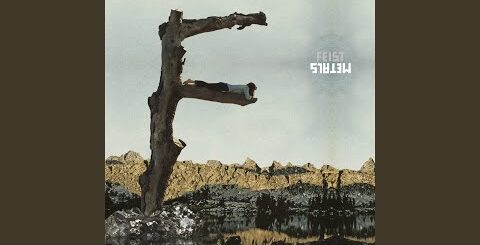
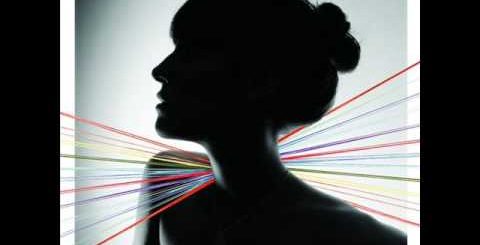
The song, which comes off her 2007 album ‘The Reminder’, not only charted Feist as a significant indie pop figure but also revealed her prowess in using metaphors and symbols to express the fluctuations of a romantic relationship. Let’s unravel the layers beneath these lyrics and discover the song’s gravitational pull.
The Lovable Lamb and the Lunar Lover
The opening lines of ‘My Moon My Man’ are drenched in affection, with the moon—a traditionally feminine symbol—becoming the ‘man’, an intriguing role reversal. Feist plays with this personification to reflect the changeable nature of her lover and their relationship. By referring to her man as ‘such a lovable lamb’, she suggests an innocence or gentleness in his demeanor, juxtaposing his changeability with a creature known for its docility.
This coupling of the moon and man sets the scene for a narrative of intimate contrasts. It represents the cyclical nature of the man’s moods or the phases of the relationship, which Feist approaches with care and introspection.
A High Note Hanging in a Balancing Act
The phrase ‘My care, my coat, leave on a high note’ drops hints of self-preservation within the relationship. ‘Leaving on a high note’ often references ending something before it goes sour, yet here it hangs undecided, suggesting a desire to preserve the good before anything can turn bad. The coat could symbolize a protective layer that Feist is hesitant to shed—a shield against the potential lows that accompany the highs of love.
The imagery of a coat also touches on themes of vulnerability and exposure, perhaps indicating Feist’s readiness to confront the ever-changing elements of her relationship, much like one would brace against the weather.
Heartfelt Harmonies: Off-Key and On-Sleeve
The admission ‘Heart on my sleeve, not where it should be / The song’s out of key again’ speaks to emotional openness, possibly bordering on imprudence. Feist acknowledges that her emotions are noticeable and affect the tune of the relationship. The song—a metaphor for harmony within the connection—is ‘out of key’, hinting at discordance and challenges that arise when hearts are too openly worn.
It’s a confession that, despite the dissonance, there is a raw and unfiltered truth to how she engages with her love. It’s a call for authenticity even in moments of vulnerability.
Lighting the Shadows: A Plea for Understanding and Patience
Throughout the chorus, Feist implores ‘Take it slow, take it easy on me’ and asks to ‘Shed some light, shed some light on me, please.’ This refrain feels almost like a chant or a soliloquy of someone deeply introspective, yearning not only for patience but also for enlightenment within the romance.
The repetition and simplicity of these lines carry a weighty desire for clarity and compassion in the face of change. Feist craves a gentle, more deliberate approach, possibly to better navigate the ‘dirty’ clean—an acknowledgement of the relationship’s imperfect purity.
The Cosmic Calendar: Timing, Phases, and Eternity
Feist touches on the theme of time with ‘My moon’s white face, what day and what phase / It’s the calendar page again.’ Time is another cyclical element in the song, represented by the moon’s phases and the flip of calendar pages. It’s as if she’s trapped in a temporal loop with her lover, defined by regular patterns and predictable changes.
This imagery alludes to the idea that love, much like time, is continuous and transcendent. Each day, each phase, offers a new facet of the relationship to explore, an infinite journey mapped out on the faces of her moon, her man.