My Own Worst Enemy by Lit Lyrics Meaning – Decoding the Anthem of Self-Sabotage
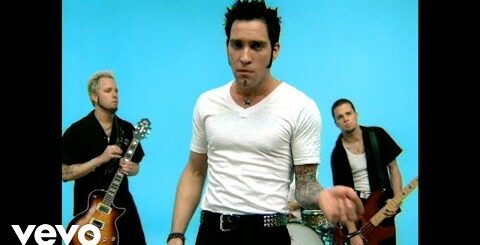
- Music Video
- Lyrics
-
Song Meaning
- The Hangover Symphony: Unwinding The Party-Fueled Escapade
- A Confessional Chorus: The Admittance of Self-Destructive Tendencies
- The Dissected Night: Finding Clarity in the Aftermath of Chaos
- The Inescapable Cyclone: Unveiling the Song’s Hidden Meaning
- Quotable Notables: Lines That Stick in the Collective Memory
Lyrics
I didn’t mean to call you that
I can’t remember what was said or what you threw at me
Please tell me
Please tell me why
My car is in the front yard and I’m
Sleeping with my clothes on
I came in through the window last night
And you’re gone, gone
It’s no surprise to me, I am my own worst enemy
‘Cause every now and then, I kick the living shit out of me
The smoke alarm is going off and there’s a cigarette
Still burning
Please tell me why
My car is in the front yard and I’m
Sleeping with my clothes on
Came in through the window last night
And you’re gone, gone
Please tell me why
My car is in the front yard and I’m
Sleeping with my clothes on
I came in through the window last night
It’s no surprise to me, I am my own worst enemy
‘Cause every now and then, I kick the living shit out of me
Can we forget about the things I said when I was drunk?
I didn’t mean to call you that
At the tail end of the millennium, Lit’s ‘My Own Worst Enemy’ crashed into the airwaves with a concoction of power chords and a sing-song confession that etched its way into the hall of rock anthems. Released in 1999, the track became an instant earworm, an ode to self-destruction and redemption that reverberates with both the recklessness of youth and the introspection of maturity.
The song’s unequivocal charm lies not just in its catchy melody or candid lyrics, but in its raw portrayal of human imperfection, presented with an almost celebratory tone that juxtaposes its deeper, darker themes. Let’s peel back the layers of this raucous ode to the messiness of life and explore the profound undertones that have cemented ‘My Own Worst Enemy’ as a timeless classic.
The Hangover Symphony: Unwinding The Party-Fueled Escapade
The opening lines of ‘My Own Worst Enemy’ serve as a post-mortem of a drunken escapade, with the narrator waking up to a slew of bad decisions. These initial lyrics paint a vivid picture of the morning-after regrets, an all too familiar experience for many. It’s the universal theme of losing control and the desperate plea for understanding that creates a bond between the song and its listeners.
Lulled into a false sense of security by the poppy instrumentals, the lyrics contrast sharply with the upbeat music, crafting an anthem that is both a celebration and a cautionary tale. It’s a reminder of the highs of letting go and the lows of grappling with the consequences afterwards.
A Confessional Chorus: The Admittance of Self-Destructive Tendencies
The chorus rings out as both a confession and a revelation. When frontman A. Jay Popoff sings, ‘It’s no surprise to me, I am my own worst enemy,’ it’s a declaration that places the blame squarely on his own shoulders. These words are a rallying cry for those who are frustratingly self-aware of their propensity to self-sabotage.
What speaks to the masses is the unpretentious acknowledgement of one’s flaws, a resonant echo in a world that often prizes perfection. Here lies the song’s undeniable power — its ability to transform personal downfall into a shared, cathartic experience.
The Dissected Night: Finding Clarity in the Aftermath of Chaos
As the song progresses, the mystery of the night before begins to unravel with fragmented memories of mayhem — an accidental serenade of insults, an inexplicably relocated car, and the curious circumstance of sleeping fully clothed. These moments, comical as they may sound, underscore a broader narrative of chaos that can ensue from our own unbridled actions.
The disjointed vignettes form a puzzle that the listener is invited to piece together, each line an artifact of the turmoil that underpins the protagonist’s life. The song taps into the universal quest for piecing together the events of a night clouded by intoxication and the quest for redemption come daylight.
The Inescapable Cyclone: Unveiling the Song’s Hidden Meaning
Beyond the mockery of one’s own flaws, ‘My Own Worst Enemy’ articulates a profounder narrative — the cyclic nature of self-inflicted pain. The phrase ‘every now and then, I kick the living shit out of me,’ captures the essence of a person who cyclically falters under their own hand, only to rise again and repeat the process.
These introspective lines serve as a dark mirror reflecting the parts of ourselves we often battle with in silence. The song is a reminder that the dance with self-defeat is not a solitary one, and perhaps, is a shared rhythm in the soundtrack of human experience.
Quotable Notables: Lines That Stick in the Collective Memory
Certain lyrics from ‘My Own Worst Enemy’ have taken on a life of their own, tattooing themselves onto the cultural lexicon. ‘Please tell me why / My car is in the front yard and I’m / Sleeping with my clothes on’ — these words are almost reminiscent of a scene from a sitcom, yet they have come to represent much more than a humorous anecdote.
The song’s lasting impact is partly due to these memorable lines, which while paint a vivid picture of intoxication and regret, also speak to the recklessness we sometimes find ourselves in. The narrative is not just of foolishness, but of seeking forgiveness, understanding, and the chance to reset the clock on one’s mistakes.