Oh Yeah by Can Lyrics Meaning – Unraveling the Psychedelic Layers of a Krautrock Legacy
Lyrics
For you got to better not there
I see your own cheeks, saves that
It?s a time you’re my lasting sign
They have got to sue the passing
As you do too everyday.
Still you point at them and then
Sometimes I’m the slave
Hitori de soko ni suwatteru
Atama no ikareta yattsu
Niji no ue kara shouben
Warera ga ‘Nimo’ to yobu?
no machi kara
Hanare gaki wo osore
Asa ga mada konai no wo
Saiwai na koto ni
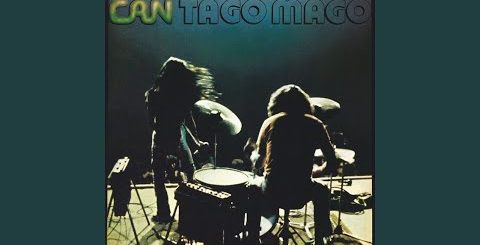
Diving into the realm of Can’s ‘Oh Yeah’, we encounter a soundscape as beguiling as the track itself. The song, hailed from their 1971 album ‘Tago Mago’, is a masterpiece that has captured and confounded its listeners for decades. The German experimental rock band Can, known for their avant-garde concoctions, presented the world with ‘Oh Yeah,’ offering a cryptic lyrical journey through their signature blend of psychedelic rock and hypnotic rhythms.
At surface level, ‘Oh Yeah’ can seem like a descent into the abstract. However, delving deeper reveals layers of introspection, a potential commentary on the human condition, and perhaps the collective existential angst of the era. This piece aims to dissect the haunting lyrics, and in the tradition of Can’s connoisseurship, peels back the metaphorical onion of the song’s multifaceted significance.
The Silver Threads of Time and Memory
The opening lines of ‘Oh Yeah’ might initially give the impression of an ode to aging or the changing nature of one’s physical appearance. The silver hair could symbolize the wisdom that accompanies aging or a mark of time’s inexorable march. Yet Can’s lyricism is rarely that straightforward. It suggests a reflective and perhaps regretful acknowledgement of the past—the ‘silver hair’ serving as a metaphor for experiential richness that comes at the cost of youthful ignorance.
In juxtaposition, the lyrics ‘I see your own cheeks, saves that’ veer into a more intimate space. It’s as if the song is holding up a mirror to the listener, urging them to acknowledge their transformation—not only outwardly but internally, emotionally. This perspicacious imagery invites us to ponder the heritage we wear on our faces and the stories our countenance carries.
Between Legal Battles and Daily Existence
‘They have got to sue the passing As you do too everyday.’ These words leap out as a stark confrontation with the societal norms of litigation and the confrontational aspect of human existence. On one layer, the song could be attacking the absurdity of suing time itself—a concept both abstractly comic and tragically human. It points to the human endeavor to assert control over the uncontrollable, to ‘sue’ or challenge even the inevitable passage of time.
Simultaneously, ‘As you do too everyday’ can be seen as a commentary on the repetitive, sometimes cyclical nature of daily routines. Can might be implying that these routines are our own ways of negotiating with the passing of time, an attempt to find meaning and structure within it.
The Dichotomy of Freedom and Slavery
The track presents a dichotomy with ‘Still you point at them and then Sometimes I’m the slave’. It’s a seemingly straightforward proclamation of relational dynamics, likely hinting at the power play inherent in human interactions. There’s an oscillation at play here—between the exertion of power and the admission of one’s own subjugation.
Viewed through a wider lens, the lines can be interpreted as an existential quandary. They poke at the paradox of self-awareness and the burdens that accompany it. As a species with the conscious ability to reflect on our own existence, we also find ourselves trapped by it—often slaves to the knowledge of our mortality and the expectations of society.
The Cryptic Japanese Verse and Its Cross-Cultural Reverberations
‘Hitori de soko ni suwatteru Atama no ikareta yattsu’ is where ‘Oh Yeah’ dips into a multilingual narrative. Sung in Japanese, it roughly translates to ‘Sitting there alone, a crazy guy’. This sudden shift both alienates and intrigues, hinting at a sense of isolation that transcends language barriers. It could be a nod to the isolated artist, the ‘crazy guy’ separated from the world by his unique vision.
Furthermore, the imagery of ‘Niji no ue kara shouben’ which paints a picture of urinating from above a rainbow, introduces an element of irreverence. It plays on contrasts—between the pristine beauty of a rainbow and the vulgar act of urination—which could reflect the song’s overall treatment of life’s grandeur mingled with its base reality.
The Dawning of Consciousness and the Joy of the Unfamiliar
The lyrics edge towards closure with a dawn that is ‘still not come’, evoking feelings of anticipation, the proverbial light at the end of the tunnel. It engenders a sense of waiting for a new beginning or enlightenment that is yet to arrive. Can seems to revel in this moment before the dawn, the space where potential and actuality are yet to meet.
There’s a subtle optimism woven through ‘Saiwai na koto ni’, which means ‘fortunately’. With this, ‘Oh Yeah’ moves beyond just being a song; it becomes an existential contemplation—a meditation on the fortune that lies in awaiting the unknown, even amid life’s seemingly absurd theater. ‘Oh Yeah’ thus encapsulates both a whisper of hope and a commentary on the cyclical, sometimes futile, motions of existence.