Old Man by Neil Young Lyrics Meaning – A Journey Through Time and Reflection
Lyrics
I’m a lot like you were
Old man, look at my life
I’m a lot like you were
Old man, look at my life
Twenty-four and there’s so much more
Live alone in a paradise
That makes me think of two
Love lost, such a cost
Give me things that don’t get lost
Like a coin that won’t get tossed
Rolling home to you
Old man, take a look at my life, I’m a lot like you
I need someone to love me the whole day through
Ah, one look in my eyes and you can tell that’s true
Lullabies, look in your eyes
Run around the same old town
Doesn’t mean that much to me
To mean that much to you
I’ve been first and last
Look at how the time goes past
But I’m all alone at last
Rolling home to you
Old man, take a look at my life, I’m a lot like you
I need someone to love me the whole day through
Ah, one look in my eyes and you can tell that’s true
Old man, look at my life
I’m a lot like you were
Old man, look at my life
I’m a lot like you were
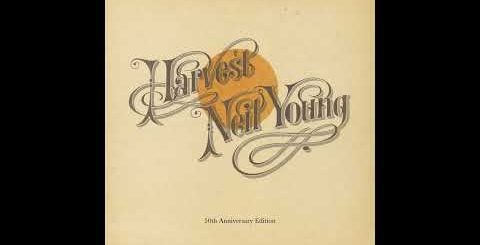
Neil Young’s ‘Old Man’ resonates as a timeless classic, a soulful ballad that goes beyond mere chords and lyrics to strike at the heart of existential introspection. This early 70s masterpiece from Young’s album ‘Harvest’ is more than just a tune to hum along to; it’s a reflective piece that contemplates life, aging, and the universal search for love and belonging.
One might easily overlook the depth of ‘Old Man’ amidst its deceptively simple acoustics and Young’s plaintive voice. Yet beneath the surface lies a rich tapestry of questions about identity, empathy, and the threads that bind the human experience across generations.
An Ode to Parallels: Art Imitating Life
The very first lines, ‘Old man, look at my life, I’m a lot like you were,’ serve as a profound opening to this dialogue across age. Young, then in his 20s, places himself in the shoes of the ‘old man’—the caretaker of the ranch he just purchased. It’s an acknowledgment of the cyclical nature of existence, suggesting that today’s young dreamers are tomorrows wise elders.
By casting this relatable net, Young’s song invites listeners to consider their present selves in light of their future. This temporal bridge weaves the commonalities shared between generations, despite the superficial differences that time accrues.
Beyond Materialism: Yearning for the Eternal
‘Love lost, such a cost; Give me things that don’t get lost…’ these lines capture a universal disillusionment with transient pleasures. Young expresses a yearning for that which is everlasting, untarnished by time—a love that doesn’t ‘get tossed’, akin to a steady coin.
The song reflects a deep human desire for the unquantifiable, the things that provide substance to our lives beyond the material. Young, in his reflection, promotes a grappling with our values, compelling a self-audit of what truly brings us home.
The Melancholy of Success
The admission, ‘I’ve been first and last / Look at how the time goes past,’ reflects the inevitability of change and the fleeting nature of accomplishments. Young captures the bittersweet realization that success is often ephemeral and, without connection, can leave one feeling hauntingly alone.
This section of the song serves as a meditation on priority, highlighting that positions and achievements cannot compensate for a life devoid of meaningful relationships. It underlines the importance of personal ties as we navigate the relentless march of time.
The Eyes as Mirrors to the Soul
‘Ah, one look in my eyes and you can tell that’s true,’ Neil Young croons, reaffirming the honesty and vulnerability expressed throughout ‘Old Man’. The song suggests that the truth of a person’s heart cannot be hidden from those who take the time to truly observe.
Eyes are often described as windows to the soul, and in this introspective anthem, they are the instrument through which silent understanding is communicated between two individuals who have come to recognize the mirrored reflection of their existence.
Decoding the Song’s Hidden Meaning
Some have speculated that ‘Old Man’ symbolizes Young’s relationship with his father or is a reference to a spiritual entity. While interpretations vary, the concealed profundity of the track suggests a deeper recognition of the human need for guidance and wisdom from those who have walked the path before us.
It is this search for a mentor, for someone who can steer us through the rugged terrains of life, that strikes a universal chord. ‘Old Man’ thus becomes an anthem for the seeker in all of us, questioning where we come from, who we are, and ultimately, where we are heading.