Older Than Before (Oswald Made No Way for Himself) by Weatherday Lyrics Meaning – Interpreting Time’s Enigmatic Passage
Lyrics
I’m older than before
Even I could grow
Into a massive bore
(I’m predictable
So why won’t it show)
Hollowed out by midnight
Spent another party alone
You grow when you know
What you don’t have anymore
(I’m predictable
So why won’t it show)
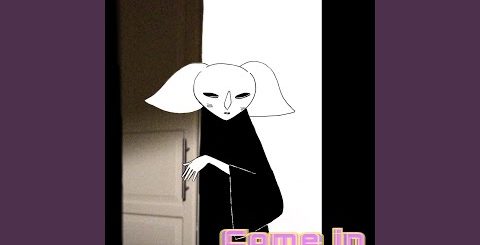
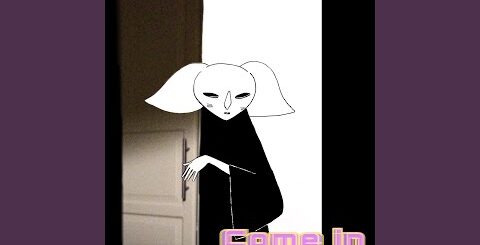
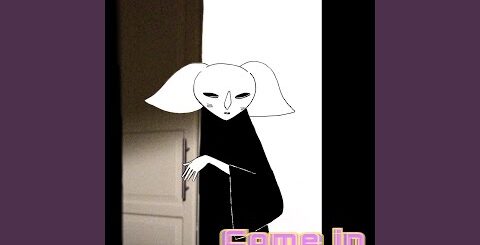
Come in close the door
I’m older than before
Even I could grow
Into a massive bore
Floored by midnight
Went to a party alone
You grow when you know
Who you don’t have anymore
Who you don’t have anymore
Who you don’t have anymore
(I’m predictable
So why won’t it show)
Come in close the door
I’m older than before
Too bad you can’t stay
Forgive that Thursday
Forgive that Thursday
(I’m predictable
So why won’t it show)
I don’t wanna go home
I don’t wanna go home
I don’t wanna go home
I don’t wanna go home
Weatherday, with their evocatively muddled lo-fi sound, constructs a labyrinth of emotion in ‘Older Than Before (Oswald Made No Way for Himself)’, a title that suggests a complex blend of temporal awareness and personal stagnation. This track, like many of Weatherday’s creations, wraps the listener in a cocoon of melancholic introspection, leading one to ponder the intricate dance between growth and redundancy.
As the weighty lyrics twirl through an atmosphere brimming with fuzz and conjecture, discerning the kernel of meaning in ‘Older Than Before’ becomes an intimate journey through the recesses of time and identity. Let’s dive into the heart of this poignant piece, peeling back the layers of its weathered veneer to uncover the profound narrative couched within.
A Portrait of Isolation and Self-Reflection
Weatherday’s use of heavy reverb and shape-shifting melodies sets the stage for an exploration of solitude. The protagonist’s journey is peppered with moments of isolation, vividly described as ‘Hollowed out by midnight’ and attending parties alone. It reflects an inner void, a stark sense of detachment from the surrounding revelry.
Through these snapshots of solitude, the character contemplates the notion of personal growth cast against the backdrop of social emptiness. The song becomes a vessel for exploring the dimensions of self-awareness and loneliness, illustrating how the latter can be both a curse and a catalyst for introspective wisdom.
The Enigmatic Power of Time
The song’s recurring theme of aging – ‘I’m older than before’ – reminds us that time spares no one, an unyielding force that propels us forward even against our will. Weatherday captures the bittersweet tang of maturity, juxtaposing evolution with a sense of weariness that comes from life’s continuous march.
The lyrics mourn for an innocence lost, as the speaker struggles with the corrosion of time: ‘Even I could grow / Into a massive bore’. This lament highlights the universal battle with redundancy and the fear of becoming extinct within our own timelines.
Decoding Oswald’s Odyssey
The cryptic reference to Oswald in the title challenges listeners to decipher its connection to the song’s essence. Could Oswald personify an everyman grappling with insignificance? Perhaps he is a ghost of potential unfulfilled, a representation of the paths not taken or the inertia of complacency.
In the lines ‘Oswald made no way for himself’, there lies a sobering reminder of the consequences of passivity. It urges contemplation of our own legacies: are we actively carving our paths, or are we akin to Oswald, lost in the tide of life’s relentlessness?
Memorable Lines: A Cry for Authenticity
‘Forgive that Thursday’ – a plea for atonement that resonates with the listener’s own cache of regrets. It is a stark, plaintive cry that begs for the absolution of a specific moment in time, likely one where everything changed or an opportunity was squandered.
This plea for forgiveness is wrapped within the admission ‘I’m predictable / So why won’t it show’, suggesting a turmoil between perceived self-awareness and the outward expression of identity. It underscores the human condition’s quest for authenticity and the longing to be understood.
The Unwilling Homecoming
In a defiant statement of resistance, ‘I don’t wanna go home’ reveals a deep-seated desire to escape the mundane, an anthem for those discontented with the complacency found within their familiar walls. This refusal to return suggests a struggle against the forces of conformity and the pull of the status quo.
It can be interpreted as a metaphorical rejection of returning to the ‘home’ of one’s past self, brimming with outdated dreams and stale perspectives. The repetition intensifies this aversion, amplifying the psychological conflict of reconciling one’s past with the aspiration for novel experience and growth.