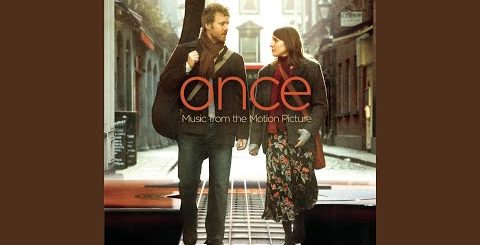
Once by Glen Hansard & Marketa Irglova Lyrics Meaning – The Stirring Ode to Love’s Fragility and Resilience
Lyrics
Won’t return
And part of me wants to hide
The part that’s purr (pure?)
Once, once
I knew how to talk to you
Once, once
But not any more
Hear the sirens, call me home
Hear the sirens, call me home
Hear the sirens, call me home
Hear the sirens, call me home
Part of me has died
To watch it burn
And the heart of me has tried
Look what it’s become
Once, once
I knew how to look for you
Once, once
But that was before
Once, once
I would have laid down and died for you
Once, once
But not any more
Hear the sirens, call me home
Hear the sirens, call me home
Hear the sirens, call me home
Hear the sirens, call me home
Hear the sirens, call me home
Hear the sirens, call me home
Glen Hansard and Marketa Irglova’s enchanting ballad ‘Once’ weaves a delicate tapestry of love, loss, and the human condition. Like an impressionist painting, it captures the fleeting nuances of an intimate relationship, charting its rise and fall with poetic introspection. At the heart of ‘Once’ lies an aching sense of nostalgia for a love that was full of life, now a fading echo.
Beyond its melancholy surface, the song invites listeners to wade through the intricate layers of emotion, urging them to explore the depths one encounters in the aftermath of a transformational love affair. Let’s peer through the looking glass of ‘Once,’ as we navigate the currents of this hauntingly beautiful piece, elucidating the hidden dimensions that make it a resonating anthem of the human spirit.
Unraveling the Heart’s Metamorphosis
The stirring opening lines, ‘Part of me had died / Won’t return / And part of me wants to hide / The part that’s purr (pure?)’, herald a journey into a soul grappling with the aftermath of heartbreak. The complex sentiment of a part of oneself that has died, perhaps a reference to lost innocence or a previous version of oneself, sets the stage for a profound catharsis. Is it the untainted part of the heart that wishes to remain concealed, or a defensive bracing against further emotional turmoil?
The repetition of ‘Once’ in the chorus signifies more than a mere temporal marker; it’s the embodiment of a poignant period in the individual’s life that continues to haunt the present. Hansard and Irglova guide us through this reflective passage of time, implying the irreversible transformation of both the individual and the connection shared with a loved one.
The Echoing Call within Silence
The recurring motif, ‘Hear the sirens, call me home,’ juxtaposes the notion of safety and sanctuary (‘home’) with the urgency and distress that sirens typically signify. This artistic contradiction could be interpreted as the inner turmoil faced when one’s heart longs to return to a place, person, or past that can no longer provide solace. It’s the sound of desire and the acknowledgment of an inevitable conclusion, overlapping in a haunting siren’s call.
The sirens may also symbolize the clash of past and future—a beckoning towards healing and a new chapter, even as the comfort of what was known calls out like a siren’s song, asking the individual to dwell in the past’s faded beauty.
Where Burnt Ashes Give Rise to New Beginnings
The sentiment of having experienced an emotional conflagration is clear: ‘Part of me has died / To watch it burn / And the heart of me has tried / Look what it’s become.’ There’s a transformative agony that comes from watching parts of oneself, which had been so entwined with another, incinerate in the aftermath of a love affair. Yet, within these smoldering lines, there is also an undercurrent of hope—for where there is ash, new life can eventually take root.
We encounter the tenacity of the human spirit in the phrase ‘the heart of me has tried’, a testimony to the enduring will to move beyond the pain. Despite the scarred landscape of the heart, it persists, evolving and adapting in the face of adversity.
The Lingering Legacies of Love’s Labor
In the verse ‘Once, once / I would have laid down and died for you / Once, once / But not any more,’ we find a powerful acknowledgment of radical change in one’s capacity for self-sacrifice. Once, the protagonist’s love was so profound they were willing to forego their very existence for the other. Now, strengthened or perhaps hardened by suffering, that once limitless capacity for sacrificial love has found its boundary.
This evolution speaks to the very essence of human relationships, how they shape us, and the cost we bear for opening our hearts to others. It’s a sobering reflection on the shifts in our inner landscapes, sculpted by experiences of deep intimacy and its eventual loss.
Memorable Lines that Echo the Soul’s Journey
‘Once’ is replete with lines that resonate with listeners long after the song fades away. ‘Once, once / I knew how to look for you / Once, once / But that was before’ speaks to the disorientation that follows the severing of a significant bond. The terrain of one’s life shifts so dramatically that the paths once well-trodden, the routines crafted, and the ways of reaching out to our beloved become unrecognizable.
It is not just the words but the delivery of these lyrics that embeds them in our consciousness—the raw and yearning quality of Hansard’s voice, paired with the tender, ethereal presence of Irglova, encapsulates the bittersweet symphony of remembering and releasing. ‘Once’ thus becomes an elegy to the past, a profound ode to the depth of human connection and the enduring power of transformation through love.